
Slow Cooker Recipes: Easy Meals, Less Effort!
Family-friendly dishes for busy people — quick prep, delicious results.
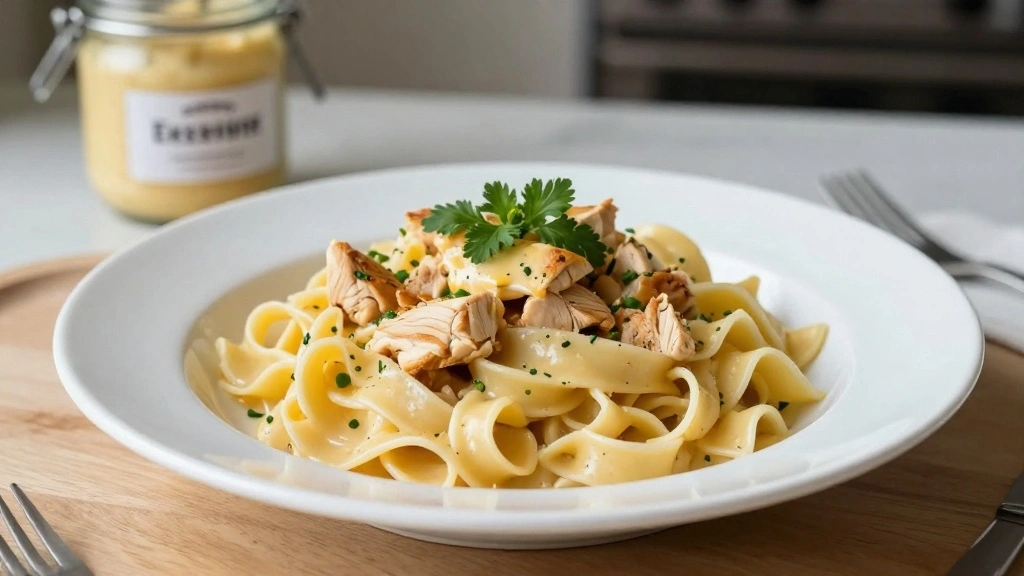
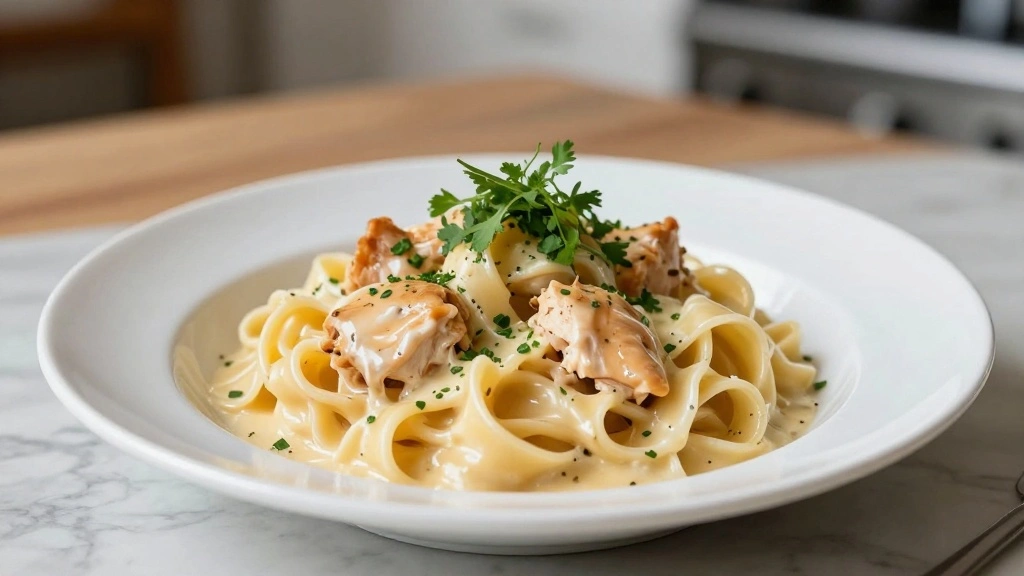
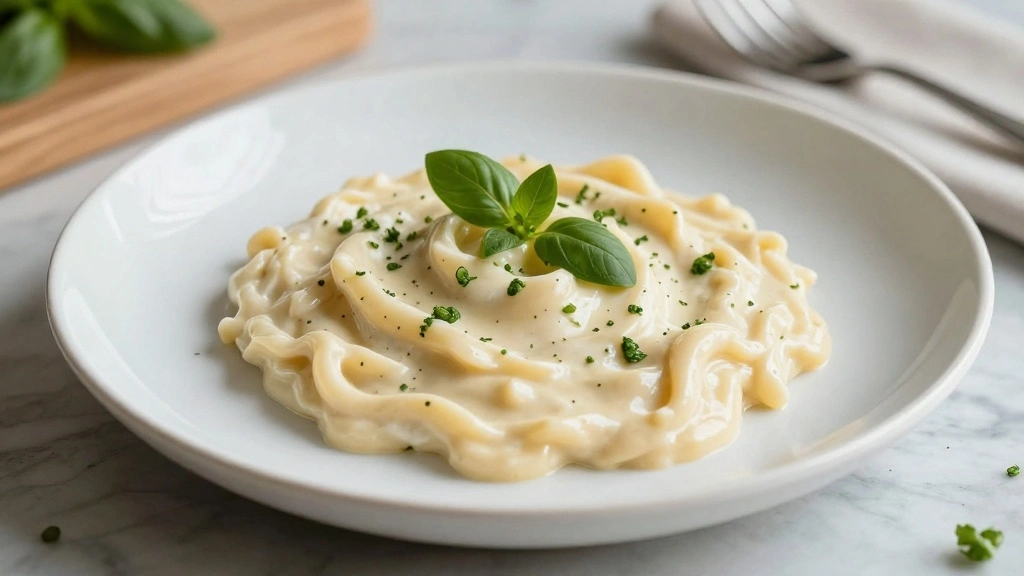
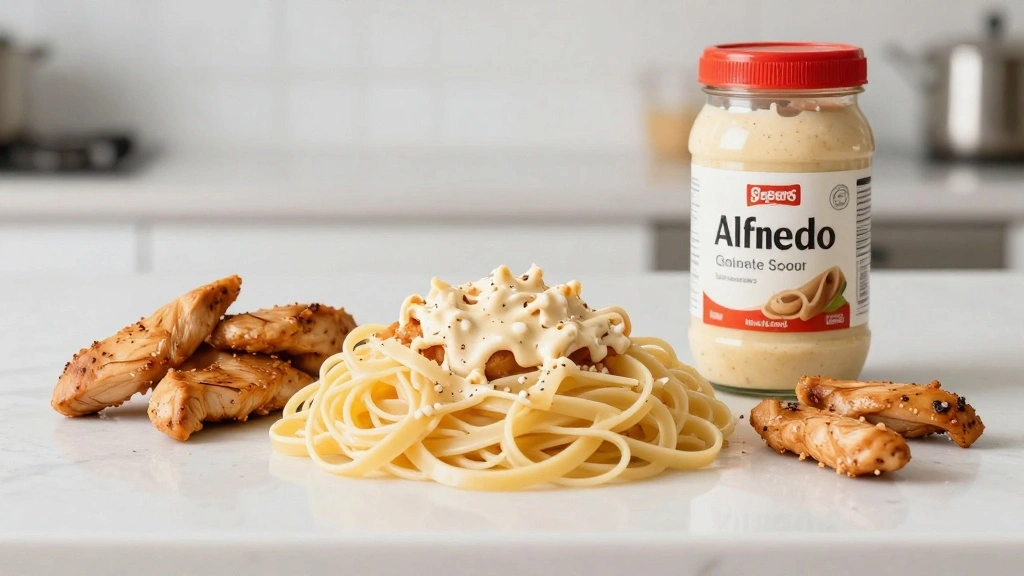
Grab yours for $4There’s something magical about a warm bowl of Chicken Alfredo on a busy weeknight.
The creamy sauce, tender chicken, and perfectly cooked pasta offer a comforting embrace after a long day.
Using jar sauce makes this dish incredibly quick and easy to prepare without compromising on flavor.
This Chicken Alfredo is not only a family favorite but also a dish that feels indulgent, yet simple enough for any day of the week.
Whether you’re a novice cook or a seasoned chef, this recipe promises delicious results with minimal effort.
Get ready to enjoy a restaurant-quality meal in the comfort of your own home.
The History and Cultural Significance
• Chicken Alfredo traces its origins to early 20th-century Italy, where it was originally created by Alfredo di Lelio.
• The dish evolved over decades as chefs experimented with ingredients, eventually becoming the beloved version we know today.
• In Italian-American culture, this dish often appears at family gatherings and celebrations, symbolizing comfort and indulgence.
• While many variations exist across different regions, the authentic version maintains its signature creamy sauce that sets it apart from imitations.


Recipe Overview
Nutritional Information (per serving)
Essential Equipment Guide
Large Pot: A large pot is essential for boiling pasta evenly. Choose one with a heavy bottom to prevent scorching and ensure even heat distribution. Alternatives include any deep, wide pot that can accommodate the pasta without overcrowding.
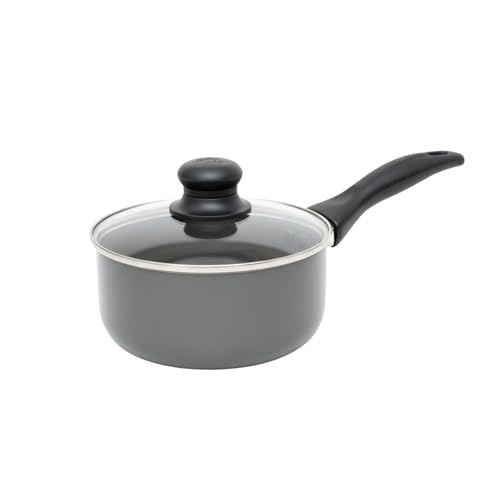
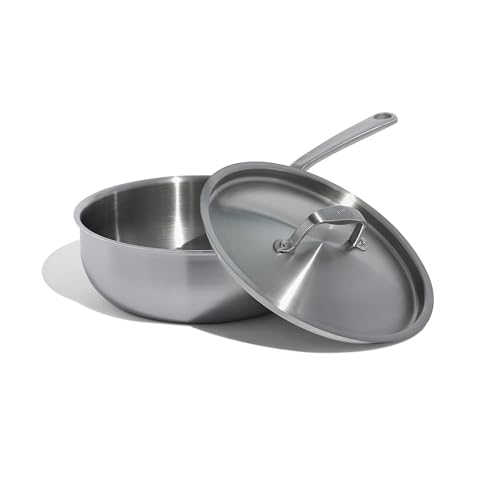
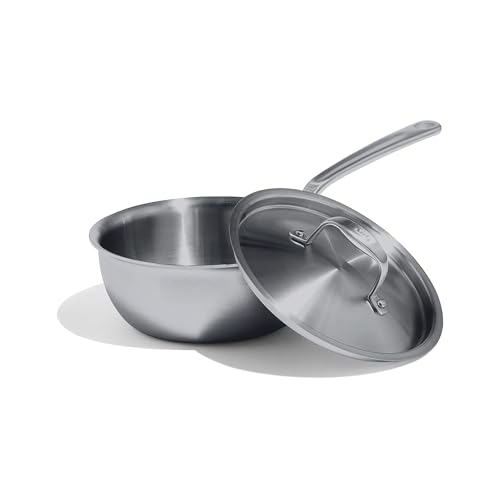
Non-Stick Skillet: A non-stick skillet is crucial for cooking chicken without sticking and for making the sauce creamy and smooth. Look for a skillet with a heavy base and a comfortable handle for better control.
Pasta Strainer: A pasta strainer allows you to efficiently drain cooked pasta. A colander with a stable base and easy-to-grip handles is ideal. Alternatives include a slotted spoon or pasta fork for smaller batches.




Ingredients
For the Base
|
| Amount | Ingredient | Notes |
|---|---|---|
| 500 grams | fettuccine pasta | for a classic texture |
| 3 tablespoons | olive oil | for cooking the chicken |
Main Ingredients
| Amount | Ingredient | Notes |
|---|---|---|
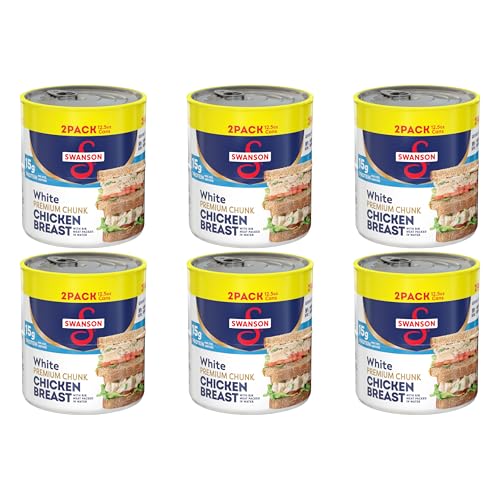
| 500 grams | chicken breast | cut into strips |
| 1 jar | Alfredo sauce | store-bought, for convenience |
Seasonings
| Amount | Ingredient | Notes |
|---|---|---|
| 1 teaspoon | garlic powder | adds depth of flavor |
| 1 teaspoon | Italian seasoning | enhances the sauce |
Garnish
| Amount | Ingredient | Notes |
|---|---|---|
| 1 tablespoon | fresh parsley | chopped, for garnish |


Preparation Methods
Sautéing Chicken: Sautéing involves cooking the chicken in a small amount of oil on high heat. This technique sears the chicken, locking in juices and creating a flavorful crust. Ensure the chicken pieces are evenly sized for consistent cooking.
Combining Sauce and Pasta: This technique focuses on integrating the pasta with the sauce, so every strand is coated. It's crucial to reserve some pasta water to adjust the sauce consistency.
Simmering: Simmering is a gentle cooking technique that allows flavors to meld together without boiling. Maintaining a steady, low heat prevents the sauce from separating.


![Freshware Meal Prep Containers [50 Pack] 1 Compartment Food Storage](https://m.media-amazon.com/images/I/51r57NZnmfL._SL500_.jpg)

Step 1: Prepare Ingredients
Gather all your ingredients and equipment before starting.
Ensure the chicken is cut into even strips for uniform cooking.
Measure out the pasta, seasonings, and set aside the jar of Alfredo sauce.
Having everything ready will streamline the cooking process.


Step 2: Cook the Pasta
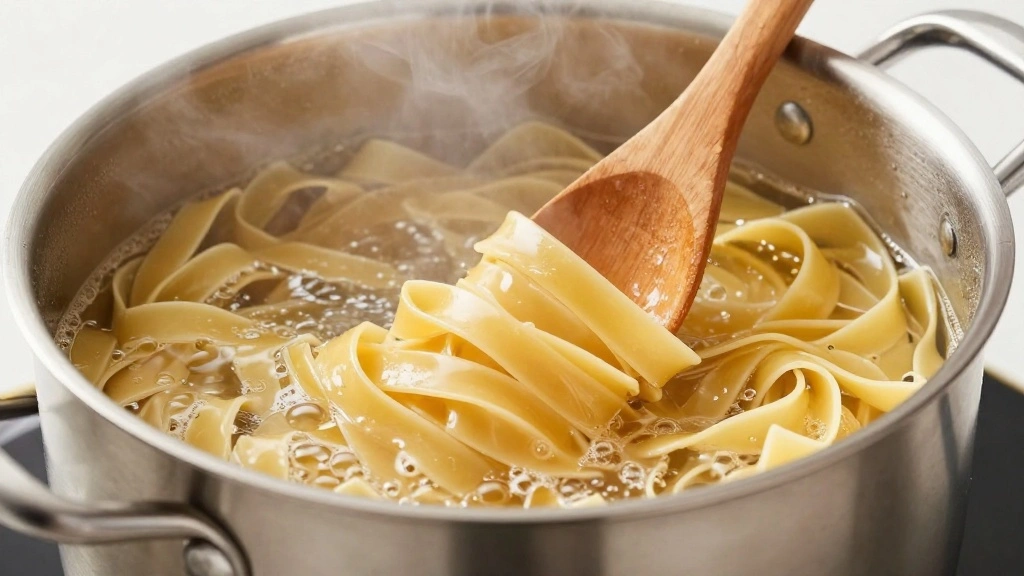
Fill a large pot with water and bring it to a boil.
Add a pinch of salt to the boiling water and then the fettuccine pasta.
Cook the pasta according to package instructions until al dente.
Drain the pasta and set aside, reserving half a cup of pasta water.


Step 3: Sauté the Chicken
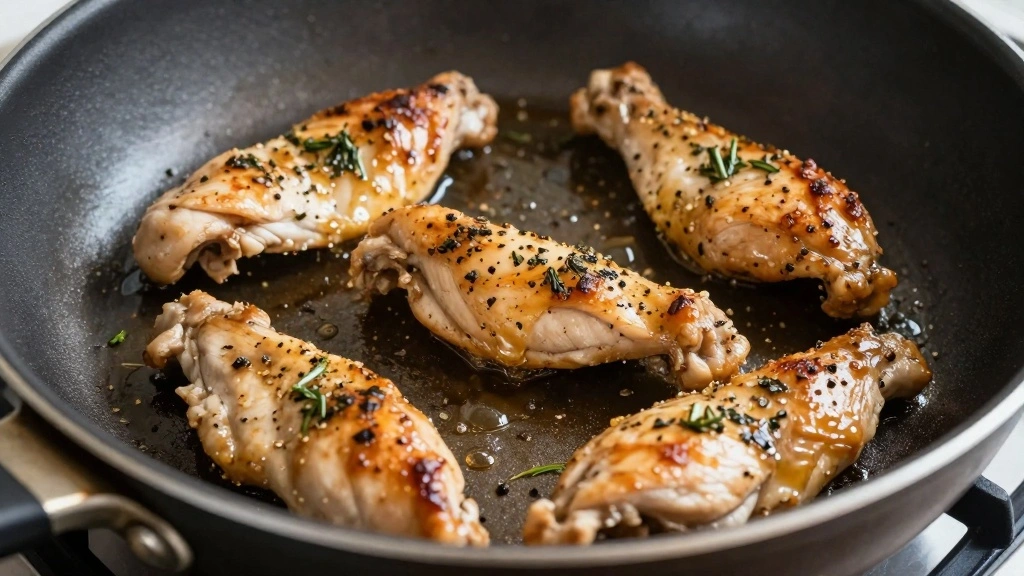
Heat olive oil in a non-stick skillet over medium-high heat.
Add the chicken strips, ensuring they are in a single layer.
Season with garlic powder and Italian seasoning, stirring occasionally.
Cook until the chicken is golden brown and cooked through, about 6-8 minutes.




Step 4: Combine Chicken and Sauce
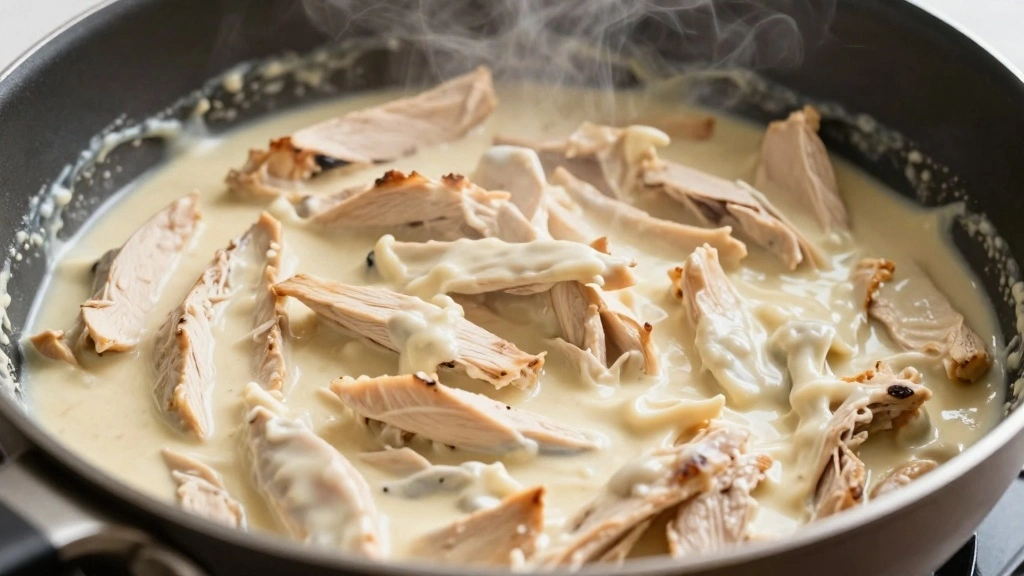
Reduce the heat to medium and add the jar of Alfredo sauce to the chicken.
Stir to coat the chicken evenly with the sauce.
Simmer gently to allow the flavors to meld, about 2-3 minutes.
Avoid boiling to prevent the sauce from separating.


Step 5: Add Pasta to Sauce
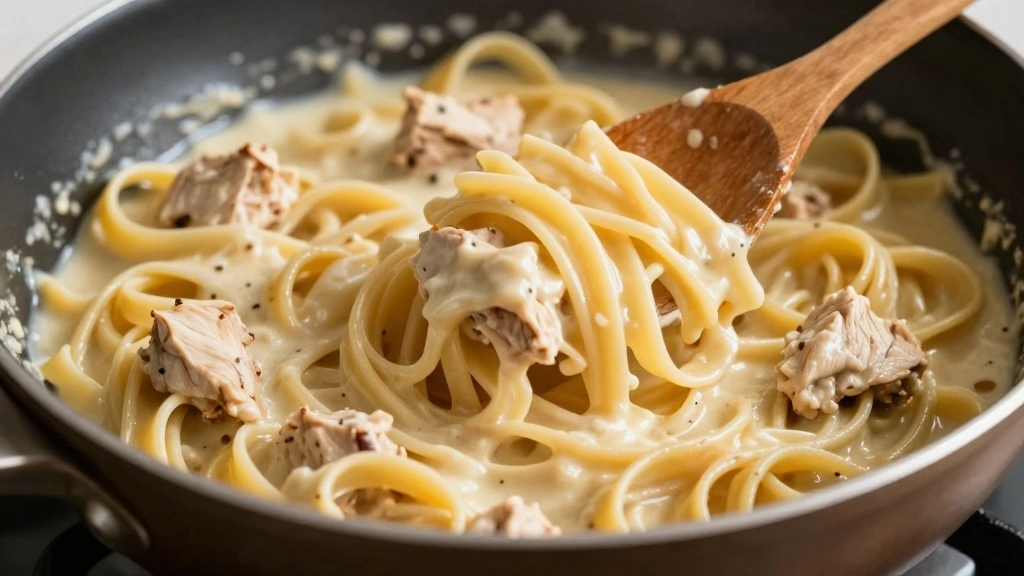
Add the cooked pasta to the skillet with the chicken and sauce.
Toss the pasta gently to ensure even coating with the sauce.
If the sauce is too thick, add reserved pasta water a little at a time.
Continue tossing until the pasta is well mixed and heated through.




Step 6: Adjust Seasoning
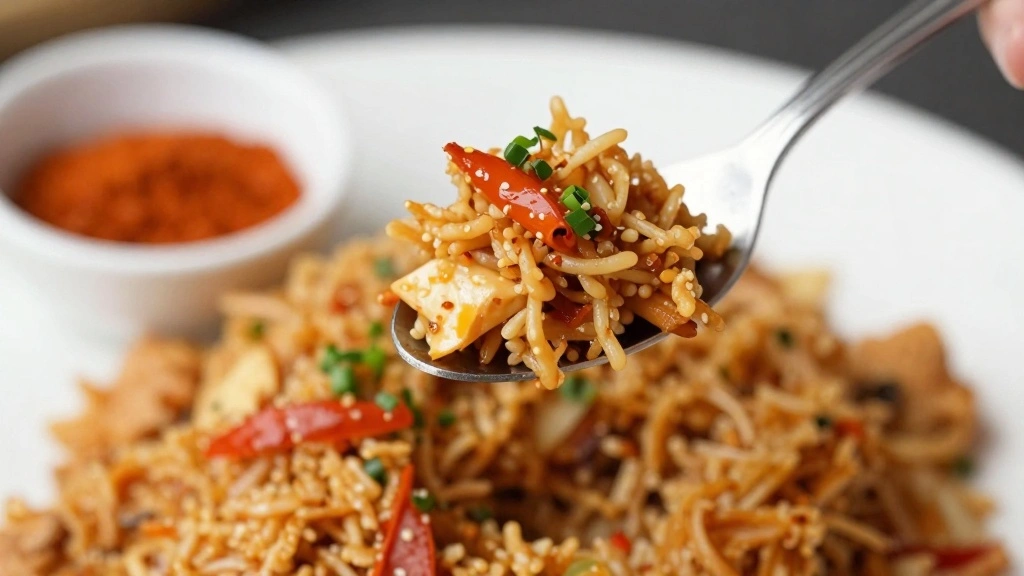
Taste the dish and adjust seasoning if necessary.
Add more salt or Italian seasoning to suit your preference.
Remember, the pasta and sauce should be well-balanced in flavor.
A final stir ensures all ingredients are evenly distributed.




Step 7: Garnish and Serve
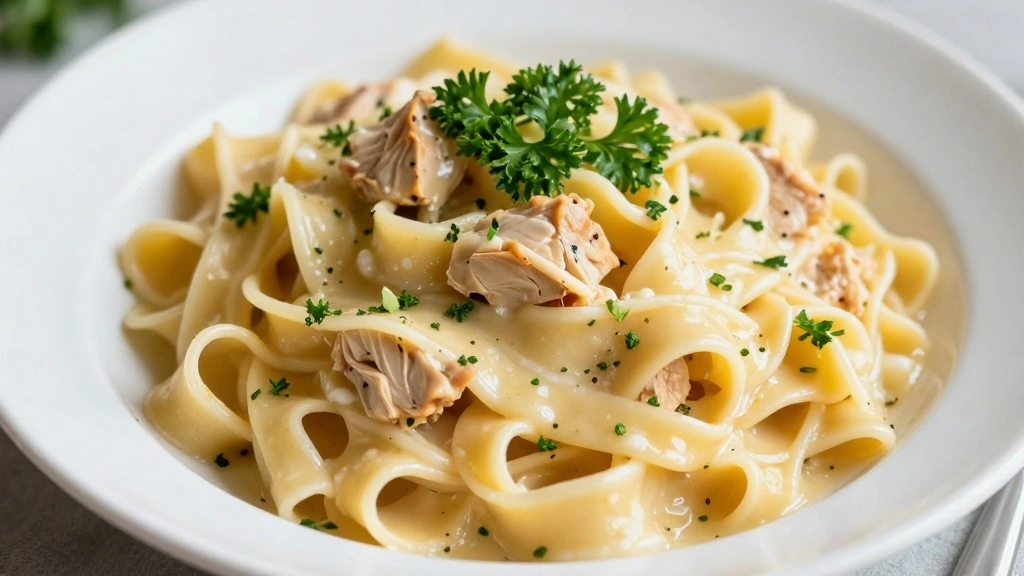
Transfer the pasta to a serving platter or individual plates.
Sprinkle freshly chopped parsley over the top for garnish.
Serve immediately for the best flavor and texture.
Enjoy your easy Chicken Alfredo with friends or family.





Critical Timing and Temperature Guide
Cooking Pasta: Boil for 8-10 minutes until al dente. Pasta should be firm to the bite but not hard. Avoid overcooking, which leads to mushy texture.
Sautéing Chicken: Cook over medium-high heat for 6-8 minutes until golden brown. Chicken should be thoroughly cooked with no pink inside. Ensure even layer for best results.
Simmering Sauce: Maintain a gentle simmer without boiling. Sauce should thicken slightly but remain creamy. Avoid high heat to prevent separation.


Pro Tips for Chicken Alfredo
• Ingredient Selection: Choose high-quality Alfredo sauce with simple ingredients for the best flavor. Fresh pasta can elevate the dish further.
• Preparation Secret: Use reserved pasta water to adjust sauce consistency, adding depth and creaminess.
• Temperature Management: Allow chicken to reach room temperature before cooking for even browning.
• Texture Enhancement: Toss pasta thoroughly with sauce to ensure every piece is coated.
• Flavor Layering: Add a pinch of nutmeg to the sauce for a subtle warmth and complexity.
• Make-Ahead Strategies: Cook chicken in advance and store in the fridge for up to 24 hours. Reheat gently before combining with sauce.
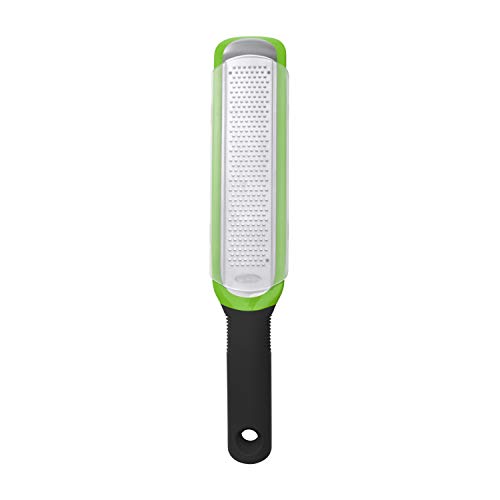
• Restaurant-Quality Finishing Touches: Drizzle with truffle oil or sprinkle with grated Parmesan for a gourmet touch.
• Equipment Optimization: Use a pasta fork to toss ingredients, ensuring thorough mixing without breaking the pasta.
Troubleshooting Common Issues
• Sauce Too Thick: Gradually add reserved pasta water, stirring until desired consistency is reached. Avoid adding too much at once.
• Chicken Overcooked: Ensure chicken pieces are uniform in size. Cook over medium-high heat and remove promptly when done.
• Flavors Unbalanced: Taste before serving and adjust seasonings. A squeeze of lemon can brighten flavors.
• Pasta Too Soft: Cook pasta to al dente and rinse quickly with cold water to halt cooking if necessary.
• Sauce Separation: Keep heat low while simmering. Stir continuously to emulsify sauce ingredients.
• Undercooked Chicken: Slice the thickest part to check doneness. Return to heat if needed, ensuring internal temperature reaches 165°F.


Variations and Regional Differences
• Italian-American Style: Often includes broccoli or peas for added color and nutrients, catering to local tastes.
• Traditional Italian: Focuses more on simplicity with just pasta, cheese, and butter, highlighting quality ingredients.
• Cajun Style: Incorporates Cajun spices and andouille sausage for a spicier, Southern twist.
• Vegetarian Variation: Replaces chicken with mushrooms or tofu, offering a meat-free alternative with similar texture.




Food Science Behind the Recipe
• Emulsification: The process by which fats in the sauce combine with water from pasta, creating a creamy texture. Understanding this helps achieve a smooth sauce.
• Maillard Reaction: Occurs when chicken is sautéed, producing a rich, browned flavor. Mastery of this reaction enhances the dish's aroma.
• Starch in Pasta Water: Acts as a natural thickener for the sauce, binding ingredients together. Utilizing this can improve sauce consistency.



Frequently Asked Questions
What's the most common mistake people make when preparing Chicken Alfredo? Overcooking the pasta or sauce, leading to mushy texture or separation.
Can I use different types of pasta? Yes, while fettuccine is traditional, penne or linguine also works well.
How do I store leftovers? Store in an airtight container in the fridge for up to 3 days. Reheat gently on the stove.
Can I make this dish gluten-free? Substitute regular pasta with gluten-free pasta and ensure sauce is gluten-free.
What's the best way to add vegetables? Blanch or sauté vegetables like broccoli or spinach, and add them during the sauce step.
Why is my sauce separating? Sauce separates when heated too quickly. Keep heat low and stir continuously.
Can I make this dish in advance? Yes, cook components separately and combine them just before serving for best results.
What can I use instead of Alfredo sauce? Homemade white sauce with cream and Parmesan can be a substitute for jar sauce.
Serving and Presentation Guide
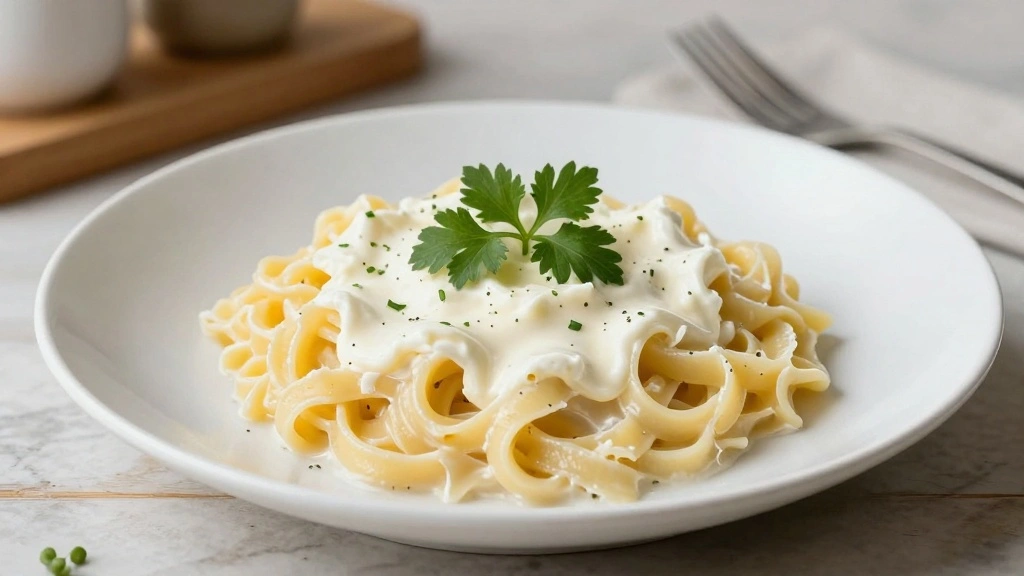
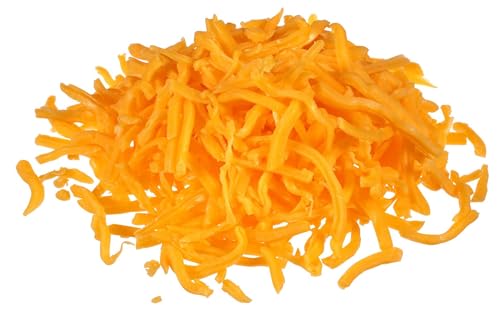
• Traditional Presentation: Serve on a wide, shallow plate with a sprinkle of parsley and grated Parmesan.
• Family Style: Present in a large serving bowl, with tongs for easy sharing at the table.
• Elegant Plating: Twirl portions of pasta into nests, garnishing with fresh herbs and a drizzle of olive oil.
• Casual Setting: Serve in deep bowls, topped with extra sauce and a pinch of red pepper flakes for a kick.


Conclusion
Easy Chicken Alfredo with jar sauce is a delightful dish that brings comfort and flavor to your table.
With minimal preparation and maximum taste, it's perfect for any weeknight meal.
Try this recipe and enjoy the satisfaction of creating a restaurant-quality dish with ease.