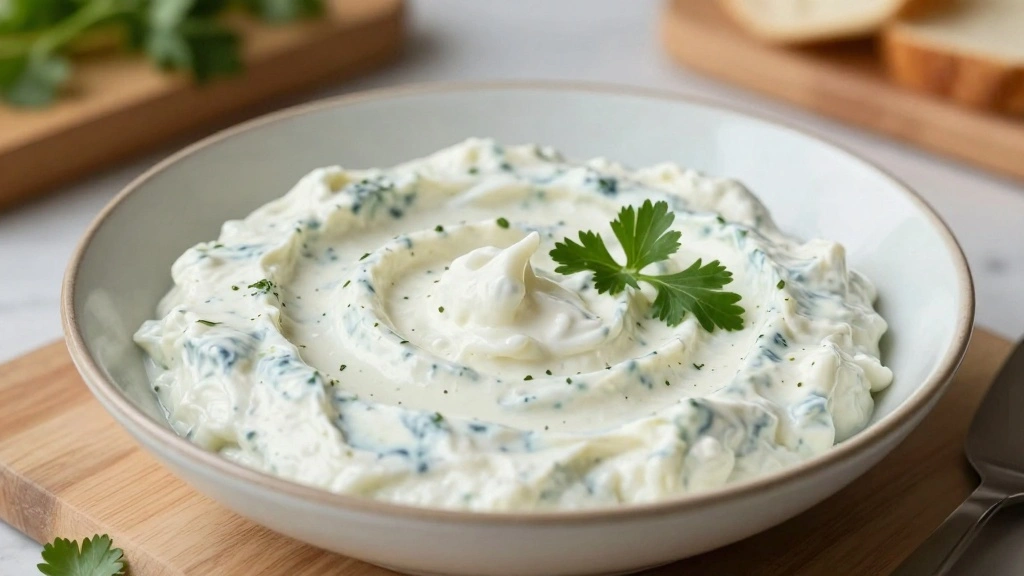

This classic Bolognese Sauce Recipe brings together centuries of culinary tradition with modern techniques to create a dish that’s both comforting and elegant.
The harmonious balance of rich tomatoes, savory meats, and aromatic herbs creates a memorable dining experience that will have everyone asking for your secret.
I discovered this recipe during my travels through Bologna, where local chefs have perfected it through generations of careful refinement.
Whether you’re preparing a casual family dinner or hosting a special celebration, this Bolognese Sauce delivers impressive results with straightforward preparation.
The History and Cultural Significance
• Bolognese Sauce traces its origins to Bologna, Italy, where it was originally created by local chefs in the late 18th century.
• The dish evolved over decades as tomatoes became a central ingredient, eventually becoming the beloved version we know today.
• In Italian culture, this dish traditionally appears at family gatherings and special occasions, symbolizing warmth and togetherness.
• While many variations exist across different regions, the authentic version maintains a slow-cooked depth of flavor that sets it apart from imitations.
Recommended Products

Glass jar to preserve flavor

Authentic Italian Bolognese – Slow-simmered with tomatoes, carrots, celery, onions, and garlic for a rich, hearty flavor.


Recipe Overview
Recommended Products


Crock Pot Artisan Round Enameled Cast Iron Dutch Oven, 7-Quart, Lavender Purple w/Lid

Nutritional Information (per serving)
Recommended Products
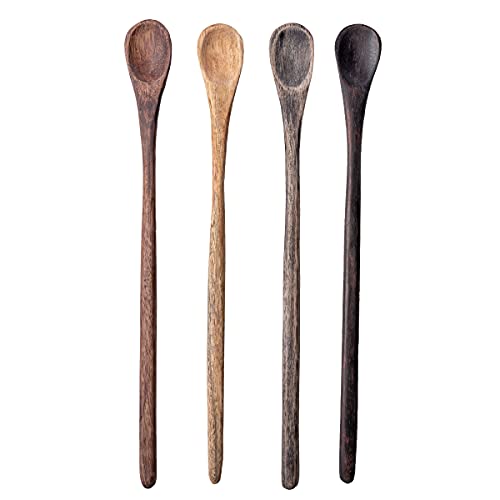
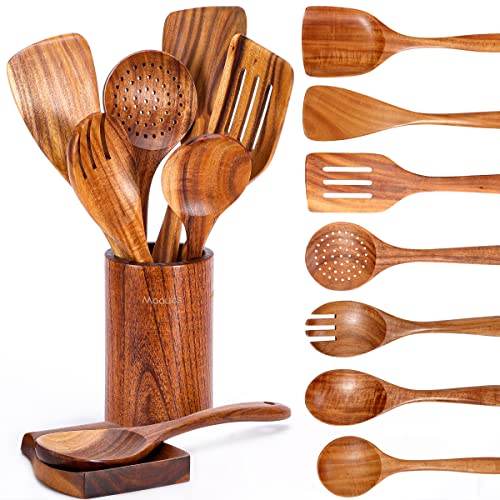
SET OF FOUR: Create an elegant and chic environment. They are perfect for all your kitchen and preparation needs. From pasta sauce to soup, our collection of wooden utensils for cooking is ideal for stirring, tasting, and mixing.

Reliable material: Our cooking spoon is made of wood, which is carefully polished, with a bright and smooth surface without burrs. Wooden spoons for cooking is light in weight but durable and can be use repeatedly

Quality material: these mixing spoons with long handle are made of quality wood material with a smooth surface and without burrs, sturdy and durable, the mixing spoon is retro, lightweight, easy to grip and heat-resistant, very suitable for non-stick pans, so you don't need to worry about scratching the surface and you can use them safely on the non-stick cookware
Essential Equipment Guide
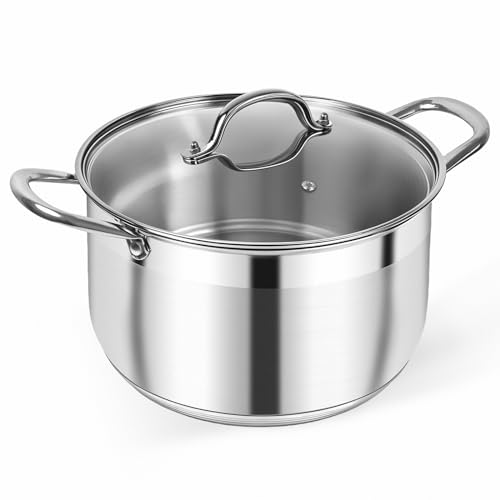
Heavy-bottomed Pot: A heavy-bottomed pot is essential for even heat distribution and preventing the sauce from sticking and burning. Alternatives include a cast-iron Dutch oven or a stainless-steel pot with a thick base. Look for pots with a tight-fitting lid to help maintain moisture during the long cooking process.
Wooden Spoon: A wooden spoon is ideal for gently stirring the sauce without scratching the pot’s surface. Silicone spatulas can also be used, but wooden spoons offer better control over heat and pressure. Choose a spoon with a long handle to avoid burns from simmering sauce.
Chef’s Knife: A sharp chef’s knife is crucial for finely chopping vegetables and meats to ensure a consistent texture throughout the sauce. A good alternative is a santoku knife. Ensure the knife is well-balanced and has a comfortable grip for precision cutting.
Recommended Products

Stainless steel mezzaluna blade: Single curved rocker blade is crafted from high-quality stainless steel for precise, efficient chopping; resists rust and corrosion with regular use; sharp edge maintains performance across repeated sessions without dulling quickly
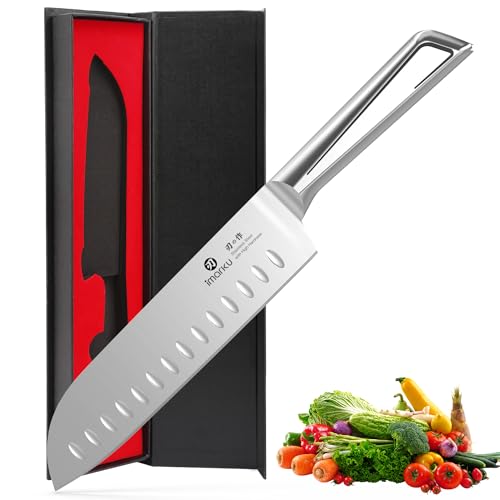
【RAZOR SHARP EDGE | CLEAN CUTS】This kitchen chef knife uses a finely honed double-bevel edge and 0.1-inch blade thickness for effortless slicing through tomato skins, onions, herbs, soft cheese, and meat with less crushing, dragging, or tearing. Keep more juice on the board for salsa, salads, and daily dinner prep

Japanese Steel Chef Knife – Forged from Japanese stainless steel for a sharp, precise edge; a versatile kitchen knife for cutting, slicing and chopping.


Ingredients
Recommended Products

Double concentrated tomato paste

USDA Certified Organic crushed tomatoes with no salt added

One 6 ounce can of Tomato Paste
For the Base
|
|
| Amount | Ingredient | Notes |
|---|---|---|
| 2 tablespoons | olive oil | adds richness and flavor |
| 1 large | onion | finely chopped for sweetness |
| 2 cloves | garlic | minced, enhances aroma |
For the Sauce
| Amount | Ingredient | Notes |
|---|---|---|
| 500 grams | ground beef | richness and protein |
| 250 grams | ground pork | adds depth of flavor |
| 400 grams | crushed tomatoes | base for sauce |
| 2 tablespoons | tomato paste | intensifies tomato flavor |
Vegetables
| Amount | Ingredient | Notes |
|---|---|---|
| 2 medium | carrots | finely diced for sweetness |
| 2 stalks | celery | finely diced for flavor balance |
Seasonings
| Amount | Ingredient | Notes |
|---|---|---|
| 1 teaspoon | dried oregano | adds herbal note |
| 1 teaspoon | salt | enhances flavors |
| 1/2 teaspoon | black pepper | adds mild heat |



Preparation Methods
Soffritto: This technique involves slowly cooking onions, carrots, and celery in olive oil until they become soft and aromatic. It's essential for building the foundation of flavors in Bolognese sauce. Use low heat to prevent browning, and stir frequently to achieve an even cook.
Simmering: A slow and gentle simmer is crucial for developing the complex flavors of the sauce. Simmering allows the ingredients to meld and the sauce to thicken over time. Maintain a low heat and cover the pot partially to control evaporation.
Deglazing: This involves adding liquid to the pot to release browned bits from the bottom, which adds depth to the sauce. Use red wine or beef broth for deglazing. Ensure the pot is hot when adding the liquid, and scrape the bottom with a wooden spoon to incorporate the flavors.
Recommended Products

One (1) 23.75 oz jar of Prego Chunky Tomato, Basil and Garlic Pasta Sauce

The Only Real 100% Bolognese Meat Sauce Imported from Italy. This recipe contains more tomato puree.

Premium Stainless Steel Construction: The KOCH SYSTEME CS stainless steel saucepan is made from 18/10 stainless steel for rapid heating. The premium stainless steel cooking surface ensures no reaction with food or changes in natural flavors, guaranteeing consistent and delicious cooking outcomes.


Step 1: Prepare Ingredients
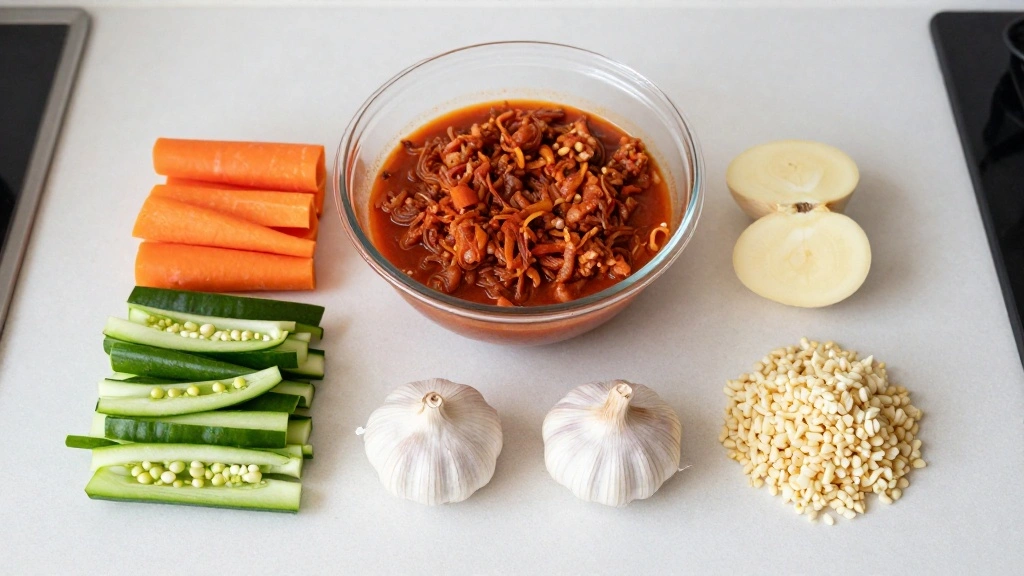
Gather all the ingredients needed for the recipe.
Chop the onions, carrots, and celery finely.
Mince the garlic cloves thoroughly for even distribution.
Ensure all vegetables are at room temperature for uniform cooking.
Recommended Products

WHAT'S IN THE BOX: One 7-quart enameled cast iron Dutch oven with lid and stainless steel knob. The perfect Dutch Oven pot for bread baking, wedding registry gift, and more

Even Heat Distribution Retention: This Umite Chef Dutch oven Made with heavy-duty enameled cast iron, ensures even heat distribution for perfect searing and slow cooking, locking in flavors. thickened walls lock in heat for slow braising, searing, and baking. Unlike thin pots that scorch food, this professional-grade Enameled cast iron potSuperior heat retention after preheating (allow 5-7 mins for even distribution). CRITICAL: Always cool naturally for 45+ mins before cleaning. Thermal shock (hot-to-cold contact) cracks enamel. USE TIP: Preheat 2-3 mins on medium-low only



Step 2: Cook the Soffritto
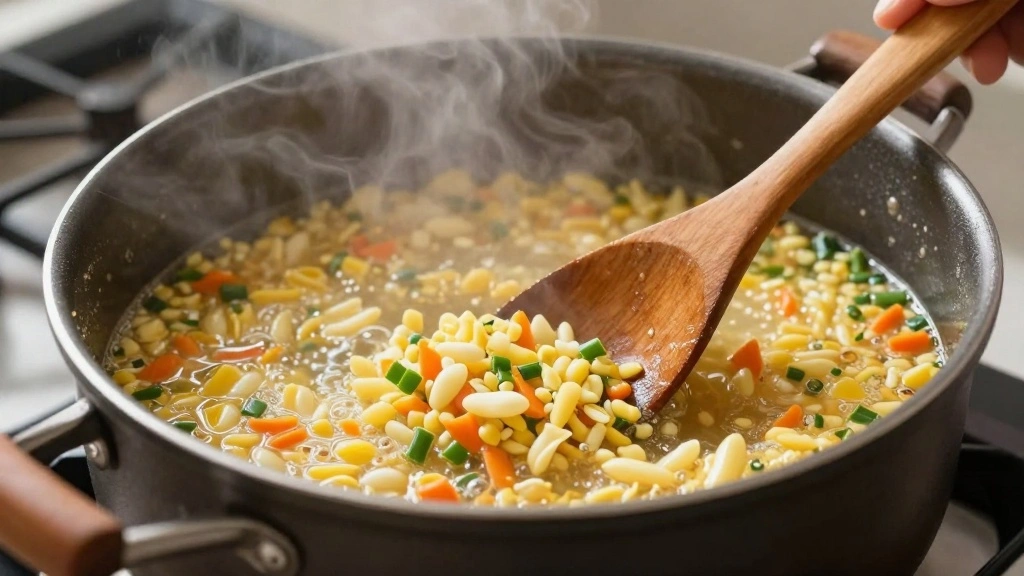
Heat olive oil in a heavy-bottomed pot over medium heat.
Add the chopped onions, carrots, and celery to the pot.
Cook slowly, stirring frequently, until the vegetables are soft and fragrant.
Avoid browning the vegetables to maintain a sweet and mild flavor.
Recommended Products

HANDCRAFTED LONG-HANDLE SPOON: You receive 1 premium wooden ladle with an 11-inch long handle and head diameter is 1.8 inches. Crafted in traditional Korean style, this long-handled design keeps hands safe from steam while cooking or serving. Note: Natural wood may develop unique grain patterns over time.

100% CAREFREE COOKING EXPERIENCE Our FAAY Golden Brown Teak Pot Stirrer is moist resistant, yet lightweight and handy. The handle is thoughtfully designed to be very handy. The wide spoon (3 inches) is suitable for stirring any kinds of food in big pot. Perfect for crawfish crayfish shrimp stirrer, mixing food, stirring jam sauces in huge pots, Bayou Cajun boil parties and outdoor cooker.

Deluxe Heavyweight French Beechwood Spoon: wooden cooking spoon for stirring, mixing, cooking, and serving denser foods with control; classic European cooking essential trusted by home cooks, professional chefs, and avid bakers, ideal for everyday meals, holiday cooking, and family baking traditions


Step 3: Brown the Meats
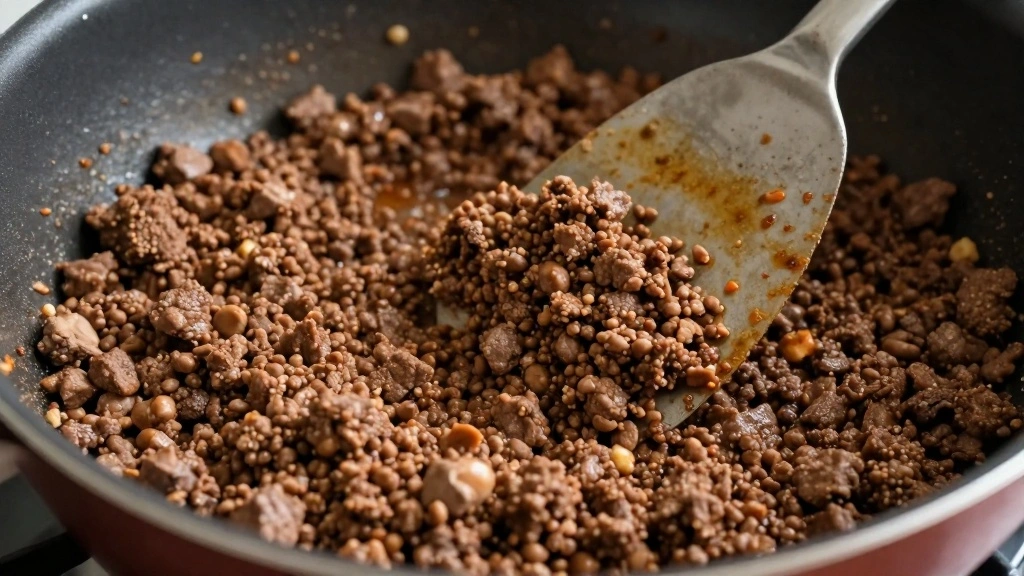
Increase the heat to medium-high and add ground beef and pork to the pot.
Stir the meat frequently to break it into small pieces.
Cook until the meat is browned evenly and no longer pink.
Drain excess fat if necessary to avoid an overly greasy sauce.
Recommended Products

ALL-PURPOSE NAKIRI KNIFE: The classic 7 inch kitchen knife is flexible for all kinds of heavy duty preps, like slicing, dicing, chopping and mincing. A truly all-around cooking knife, is easy to re-sharpen, clean and maintain.
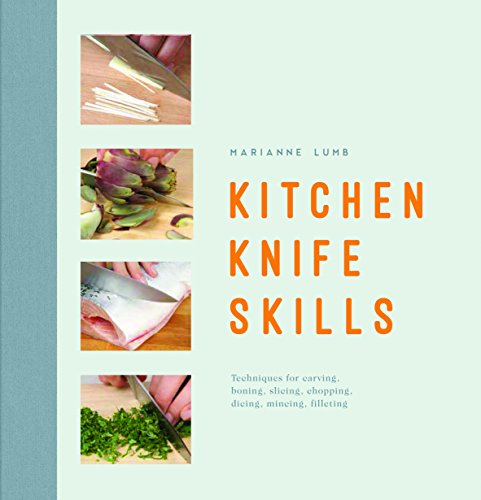

EDGEKEEPER SELF-SHARPENING SHEATH: The EdgeKeeper protective blade cover features a built-in sharpener that hones the edge every time you insert or remove the knife - so your blade stays sharp and ready for every meal prep session.


Step 4: Deglaze the Pot
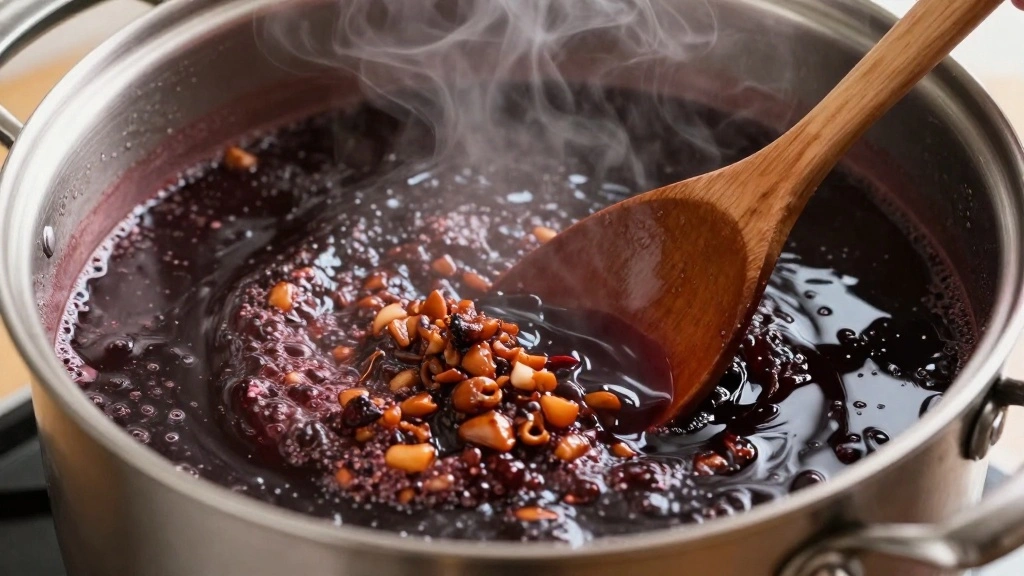
Reduce the heat to medium and pour in red wine to deglaze the pot.
Use a wooden spoon to scrape up any browned bits from the bottom.
Allow the wine to simmer until it reduces by half.
This step adds depth and richness to the sauce's flavor profile.
Recommended Products

Organic tomato paste

One 28 ounce can of Crushed Tomatoes in Purée

28 ounce can of organic crushed tomatoes with basil


Step 5: Add Tomatoes and Paste
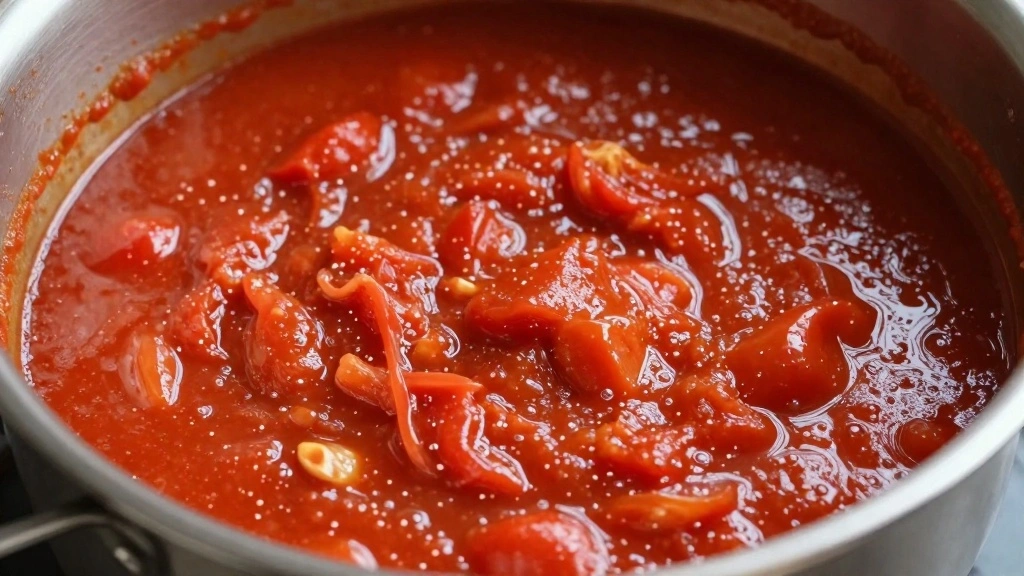
Stir in the crushed tomatoes and tomato paste into the pot.
Mix thoroughly to combine all ingredients evenly.
Bring the mixture to a gentle simmer over medium-low heat.
Ensure the sauce is smooth and well-integrated before proceeding.


Step 6: Season the Sauce
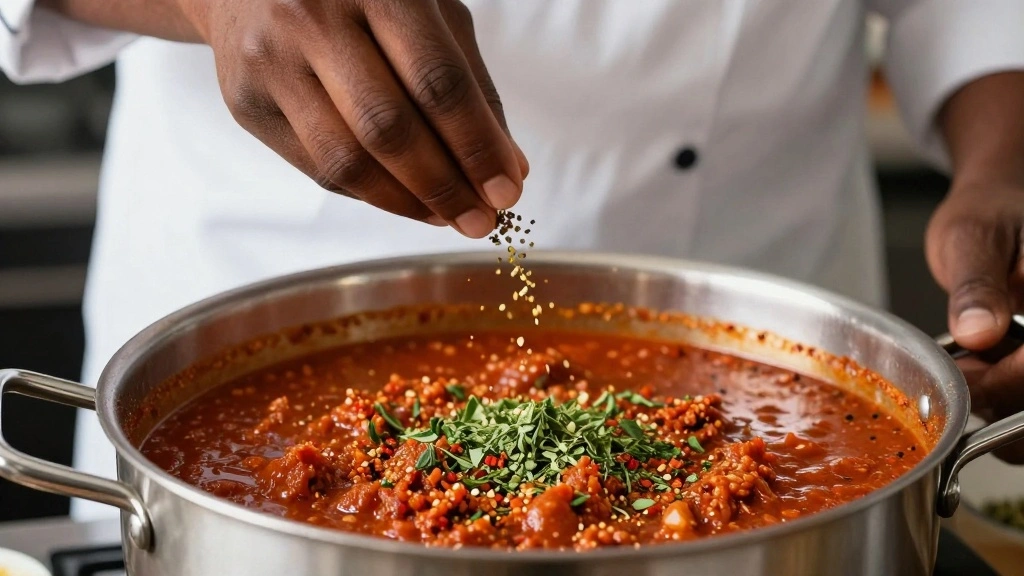
Add dried oregano, salt, and black pepper to the sauce.
Stir well to distribute the seasonings evenly.
Taste the sauce and adjust the seasoning as needed.
Proper seasoning is key to achieving the desired flavor balance.


Step 7: Simmer the Sauce
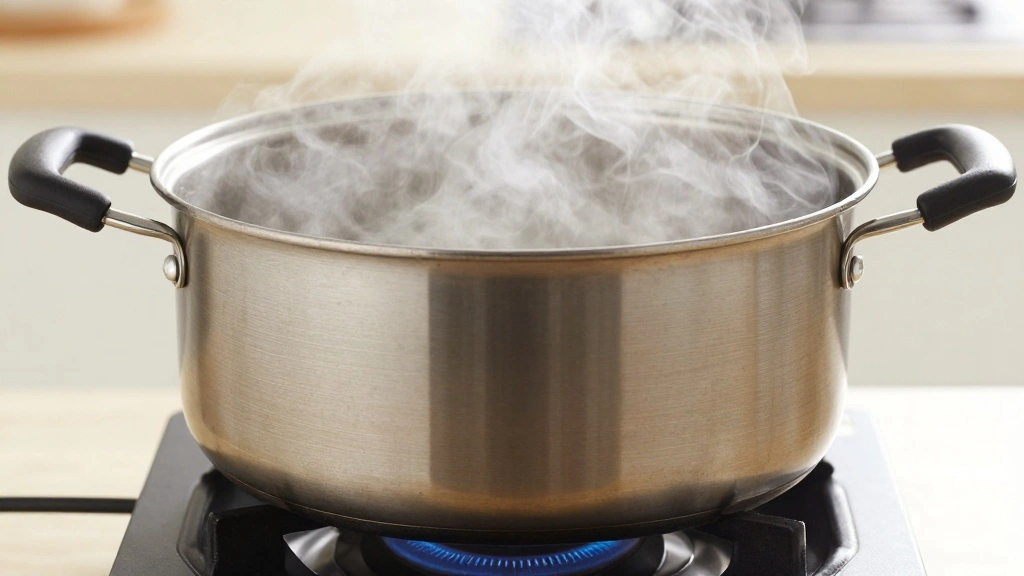
Cover the pot partially and reduce the heat to low.
Allow the sauce to simmer gently for 2 to 3 hours.
Stir occasionally to prevent sticking and ensure even cooking.
The long simmering time develops a rich, complex flavor in the sauce.

Step 8: Final Adjustments
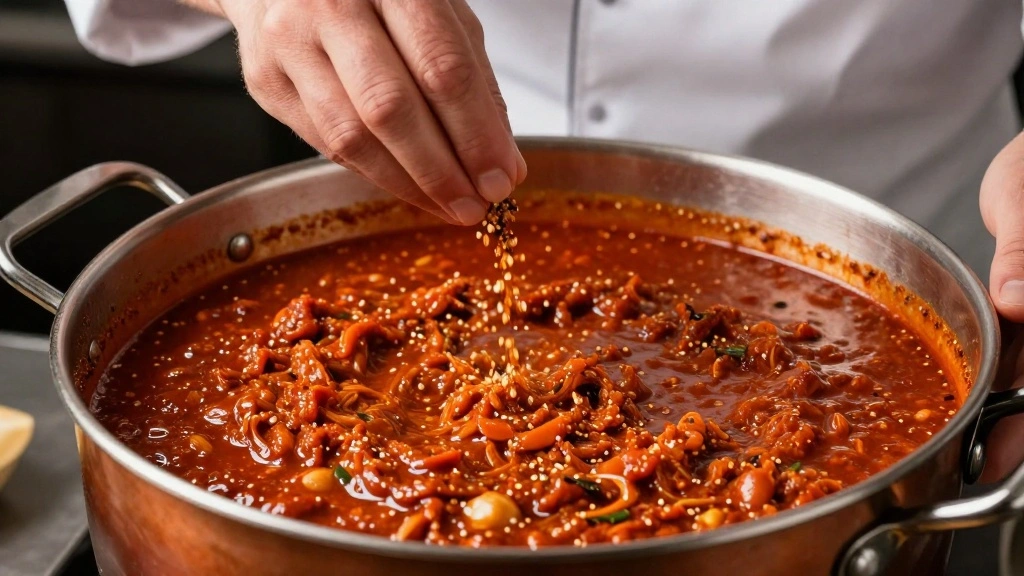
Remove the pot from heat and let the sauce cool slightly.
Taste and adjust the seasoning if necessary.
If the sauce is too thick, add a bit of reserved pasta water.
The sauce should be rich, balanced, and ready to serve over pasta.

Critical Timing and Temperature Guide
Soffritto Cooking: Cook over medium heat for about 10-15 minutes until soft and aromatic. Avoid browning the vegetables, which can make the sauce bitter.
Meat Browning: Brown the meat over medium-high heat for 8-10 minutes. Ensure all pinkness is gone without burning the meat, which can lead to an off flavor.
Sauce Simmering: Maintain a gentle simmer on low heat for 2-3 hours. Visual indicators include a slight thickening and deepening of color. Avoid boiling, which can cause the sauce to become tough.



Pro Tips for Bolognese Sauce Recipe
• Ingredient Selection: Choose high-quality beef and pork for a more tender and flavorful sauce. Tomatoes should be ripe and sweet.
• Preparation Secret: Letting the sauce sit overnight enhances the flavors as they meld together, creating a more robust taste profile.
• Temperature Management: Keep the simmer gentle to prevent burning and ensure even cooking. Use a heat diffuser if necessary.
• Texture Enhancement: Use a potato masher during cooking to break down meat further for a finer texture.
• Flavor Layering: Add a splash of milk or cream at the end for a smooth and balanced finish.
• Make-Ahead Strategies: Bolognese sauce can be made a day in advance and stored in the fridge, enhancing its flavor.
• Restaurant-Quality Finishing Touches: Garnish with freshly grated Parmesan and a sprinkle of fresh basil for a professional touch.
• Equipment Optimization: Use a heavy-bottomed pot to ensure even heat distribution and reduce the risk of scorching.
Troubleshooting Common Issues
• Texture Too Thick: This is often caused by too much evaporation. Add reserved pasta water or broth gradually until the desired consistency is achieved.
• Flavors Unbalanced: A lack of seasoning or improper ingredient ratios can cause this. Taste and adjust salt, pepper, and herbs to balance the flavors.
• Meat Clumping: This happens when the meat is not broken up properly during browning. Use a spatula or potato masher to ensure a finer texture.
• Sauce Too Watery: This can occur if the sauce hasn't reduced enough. Increase the heat slightly and let it simmer uncovered to reduce excess liquid.
• Bitter Flavor: Over-browned soffritto or burnt garlic can cause bitterness. Ensure vegetables are cooked gently and avoid burning garlic by adding it later in the cooking process.



Variations and Regional Differences
• Emilia-Romagna Style: This version uses pancetta and milk, providing a richer and creamier sauce. It's often served with tagliatelle instead of spaghetti.
• Neapolitan Variation: Includes the addition of red wine and more tomatoes, resulting in a saucier consistency with a more pronounced tomato flavor.
• Vegetarian Bolognese: Uses lentils or mushrooms as a meat substitute, providing a hearty texture while keeping the dish vegetarian-friendly.
• American Adaptation: Often features ground turkey or chicken for a lighter version, with the addition of more spices like oregano and basil.


Food Science Behind the Recipe
• Maillard Reaction: This chemical reaction occurs when browning the meat, developing complex flavors and aromas that are foundational to a rich Bolognese sauce.
• Emulsification: The process of combining fat and liquid in the sauce to create a smooth, cohesive texture, enhanced by the slow simmering process.
• Acidity Balance: The natural acidity of tomatoes is balanced by the addition of milk or cream, which neutralizes acidity and creates a rounded flavor profile.


Frequently Asked Questions
What's the most common mistake people make when preparing Bolognese Sauce? Overcooking the meat at high temperatures can lead to a tough texture and burnt flavor. It's crucial to brown the meat gently.
Can I freeze Bolognese Sauce? Yes, Bolognese sauce freezes well. Store it in airtight containers for up to three months. Thaw in the refrigerator before reheating.
Why is my sauce too thin? The sauce may be too thin due to insufficient simmering time. Allow it to reduce further, or add a tablespoon of tomato paste to thicken.
Can I use different meats? Absolutely, you can substitute ground turkey or chicken for a lighter version, but the flavor will differ slightly.
How do I prevent the sauce from sticking? Use a heavy-bottomed pot and stir occasionally to prevent sticking and burning at the bottom.
What pasta pairs best with Bolognese Sauce? Traditionally, tagliatelle or pappardelle are preferred due to their broad shape, which holds the thick sauce well.
How can I make it spicier? Add a pinch of red pepper flakes or a splash of hot sauce to increase the heat level without overwhelming the other flavors.
Serving and Presentation Guide
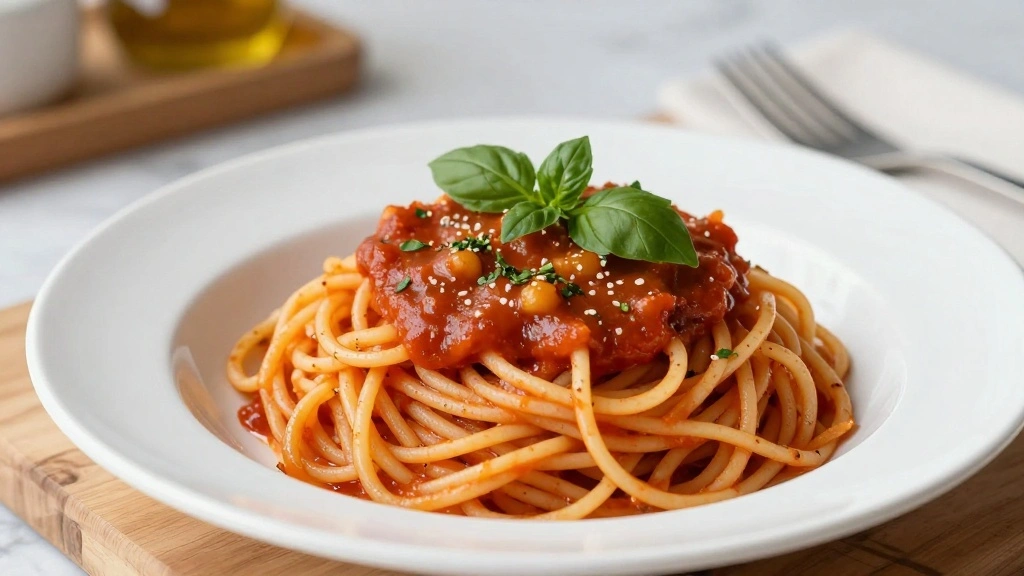
• Traditional Presentation: Serve Bolognese sauce over freshly cooked tagliatelle, garnished with grated Parmesan and a sprig of basil.
• Family Style: Present in a large serving bowl with pasta on the side, allowing guests to mix as desired.
• Restaurant Style: Use a pasta twirl technique for a neat presentation on individual plates, topped with a drizzle of olive oil.
• Casual Buffet: Offer the sauce in a slow cooker to keep warm, with a variety of pasta types for guests to choose from.


Conclusion
Creating a classic Bolognese Sauce at home is a rewarding experience that brings the authentic taste of Italy to your table.
With patience and quality ingredients, you can achieve a rich and flavorful sauce that stands the test of time.
Don't hesitate to explore the variations and make this recipe your own.
Enjoy the satisfaction of sharing this comforting dish with family and friends.