
Slow Cooker Recipes: Easy Meals, Less Effort!
Family-friendly dishes for busy people — quick prep, delicious results.
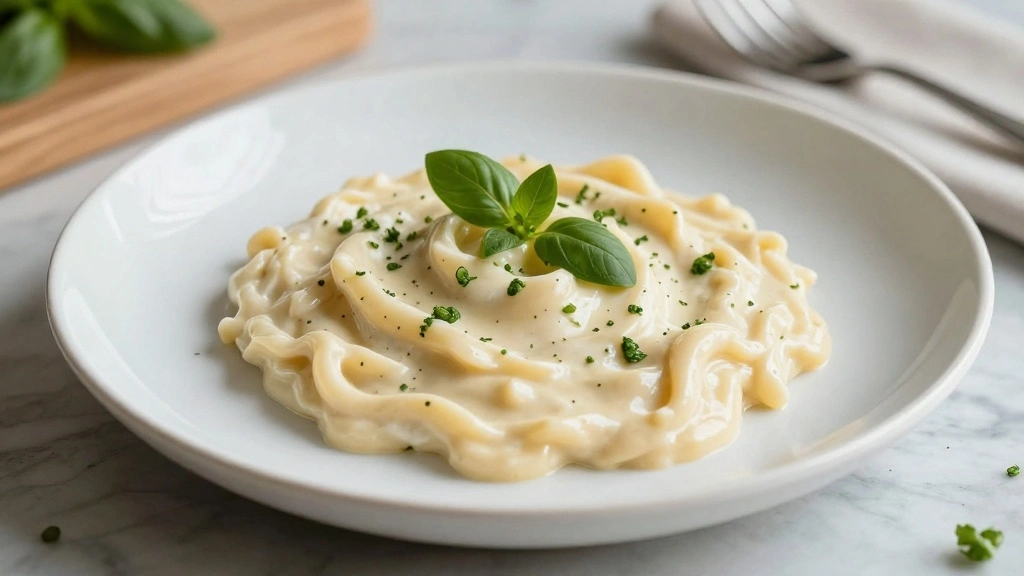
Grab yours for $4Vegan Hollandaise Sauce reimagines a beloved classic with a creamy, dairy-free twist.
This rich and silky sauce is a favorite among plant-based eaters and those seeking a lighter alternative.
Its tangy and buttery flavor profile makes it a versatile addition to brunch favorites like tofu benedict or roasted vegetables.
I first encountered this delightful variation during my culinary explorations in the heart of vegan-friendly cafes, where it was a staple on every menu.
Whether you’re a vegan or simply looking to diversify your sauce repertoire, this recipe offers a simple yet rewarding cooking experience.
The History and Cultural Significance
• Vegan Hollandaise Sauce traces its origins to the adaptation of the traditional French hollandaise in modern plant-based cuisine.
• The dish evolved over decades as chefs experimented with substitutions like cashews and nutritional yeast, eventually becoming the beloved version we know today.
• In vegan culture, this dish traditionally appears at brunch gatherings, symbolizing culinary creativity and adaptability.
• While many variations exist across different regions, the authentic version maintains a velvety texture and a tangy kick that sets it apart from imitations.


Recipe Overview
Nutritional Information (per serving)
Essential Equipment Guide
Blender: Essential for achieving a smooth and creamy texture, a high-powered blender can break down nuts seamlessly. Alternatives include a food processor, but it may require longer blending times.
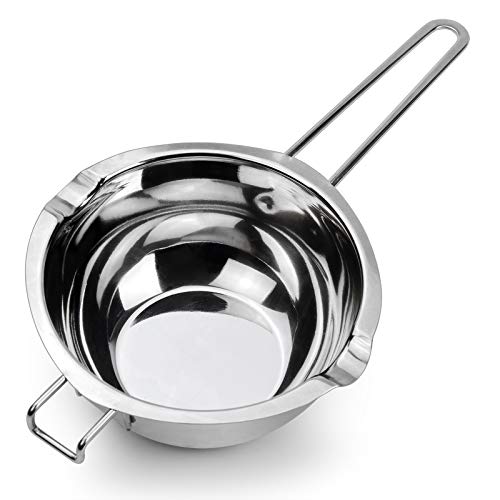
Saucepan: Necessary for gently heating and thickening the sauce. Non-stick pans are ideal to prevent sticking and burning, but stainless steel can work with careful attention.
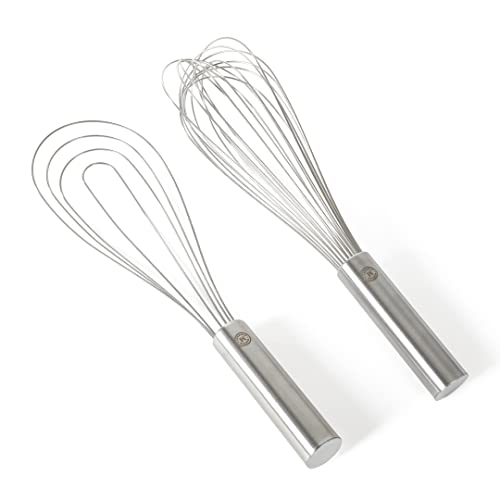
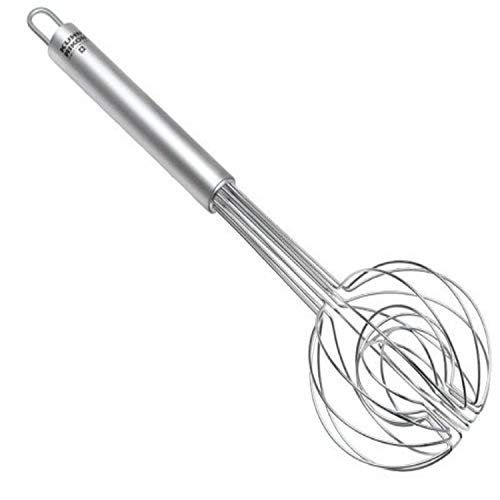
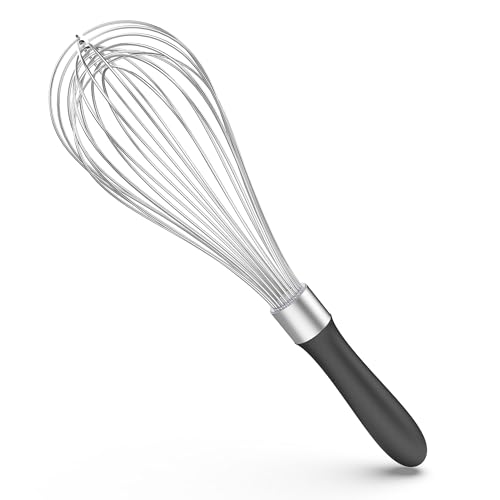
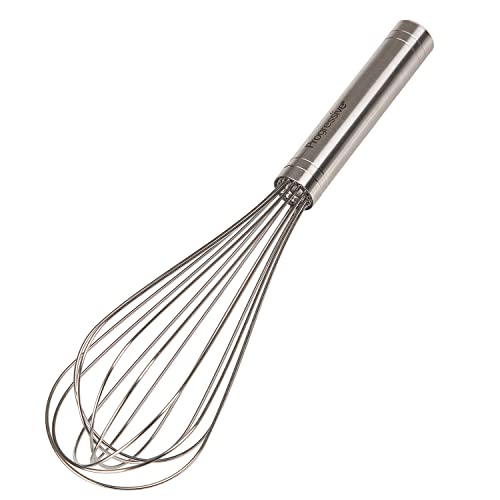
Whisk: Important for incorporating air and achieving a light, velvety consistency. A balloon whisk is preferred, but any whisk with sturdy wires will suffice.


Ingredients
For the Base
|
| Amount | Ingredient | Notes |
|---|---|---|
| 1 cup | raw cashews | soaked for 2 hours to soften |
| 1 cup | water | adjust as needed for consistency |
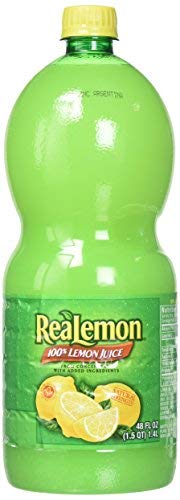
| 2 tablespoons | lemon juice | freshly squeezed for tanginess |
Seasonings
| Amount | Ingredient | Notes |
|---|---|---|
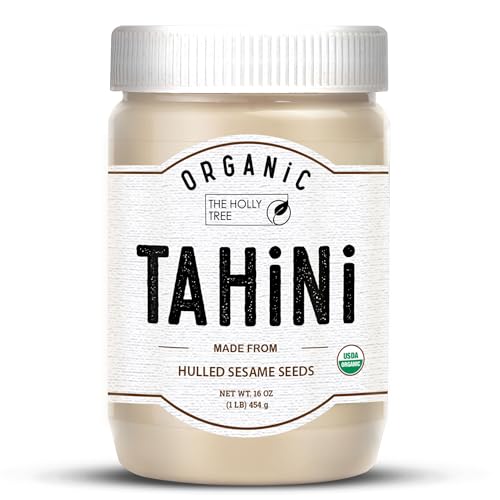
| 1 tablespoon | nutritional yeast | adds a cheesy flavor |
| 1 teaspoon | Dijon mustard | for depth and spice |
| 1 teaspoon | salt | enhances overall flavor |
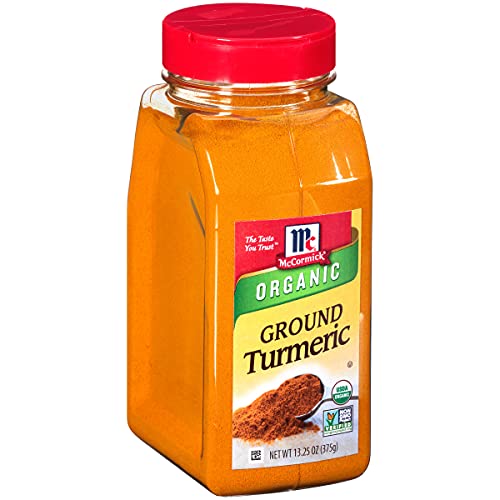
| 1/4 teaspoon | turmeric | for color and subtle flavor |
| 1/4 teaspoon | black pepper | freshly ground for flavor |


Preparation Methods
Soaking: Soaking nuts like cashews softens them for blending, essential for achieving a smooth sauce. Use warm water to speed up the process if needed.
Blending: Proper blending ensures a silky texture. Start on low speed and gradually increase, stopping to scrape down the sides as needed.
Emulsification: This technique combines two ingredients that typically don’t mix, like oil and water. It's crucial for achieving the sauce's creamy consistency.


Step 1: Soak Cashews
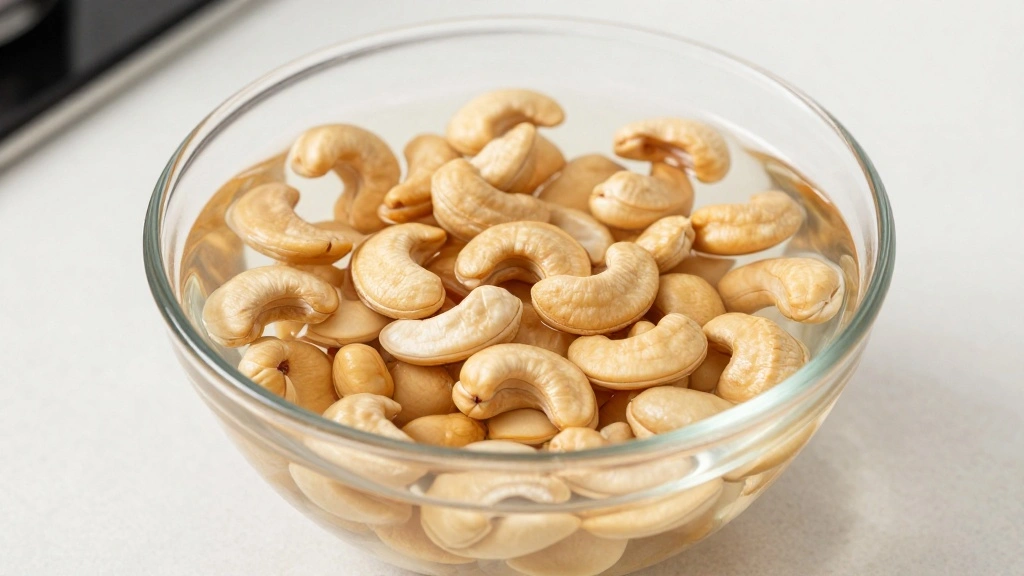
Place 1 cup of raw cashews in a bowl.
Cover with water and let soak for at least 2 hours.
Drain and rinse the cashews thoroughly.
This softens the nuts for a smoother blend.


Step 2: Blend Ingredients
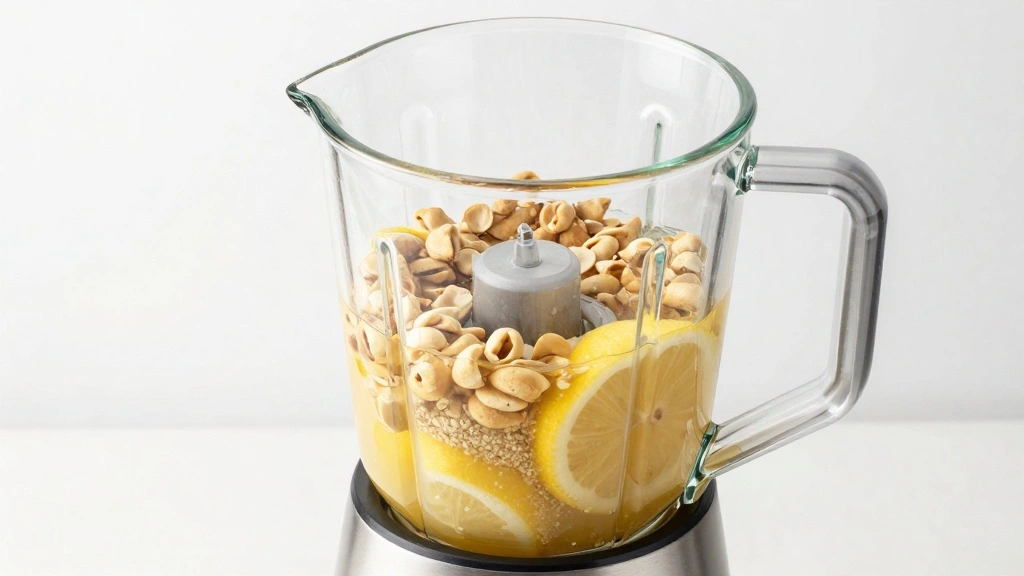
Add soaked cashews to a blender.
Pour in 1 cup of water and 2 tablespoons of lemon juice.
Include nutritional yeast, mustard, salt, turmeric, and pepper.
Blend until completely smooth and creamy.




Step 3: Adjust Consistency
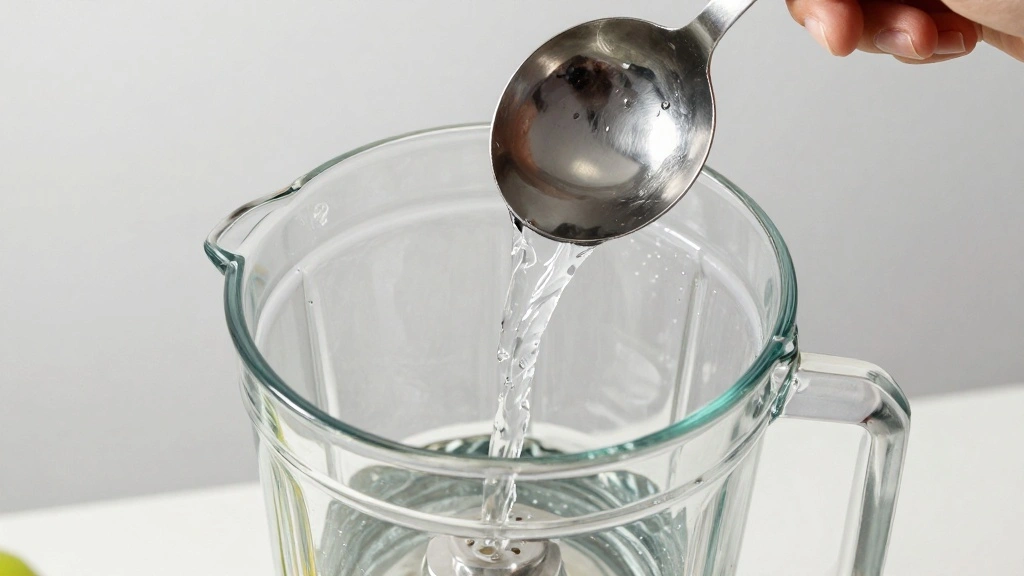
Check the sauce's consistency.
If too thick, add more water, 1 tablespoon at a time.
Blend again until desired thickness is achieved.
The sauce should be pourable but not runny.


Step 4: Transfer to Saucepan
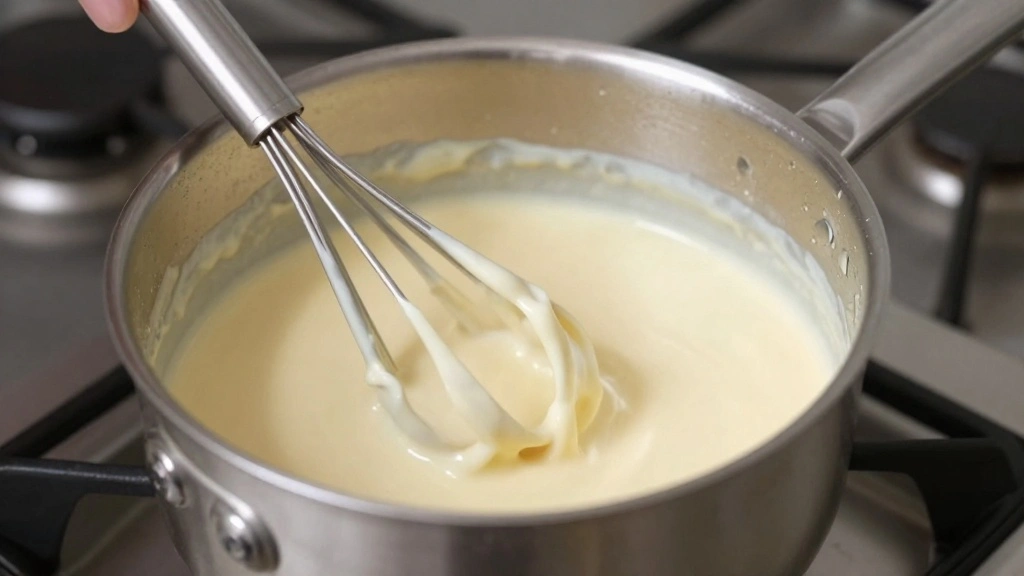
Pour the blended sauce into a saucepan.
Place the saucepan on a stove over low heat.
Stir continuously with a whisk to prevent sticking.
Be careful not to boil the sauce as it heats.




Step 5: Heat and Thicken
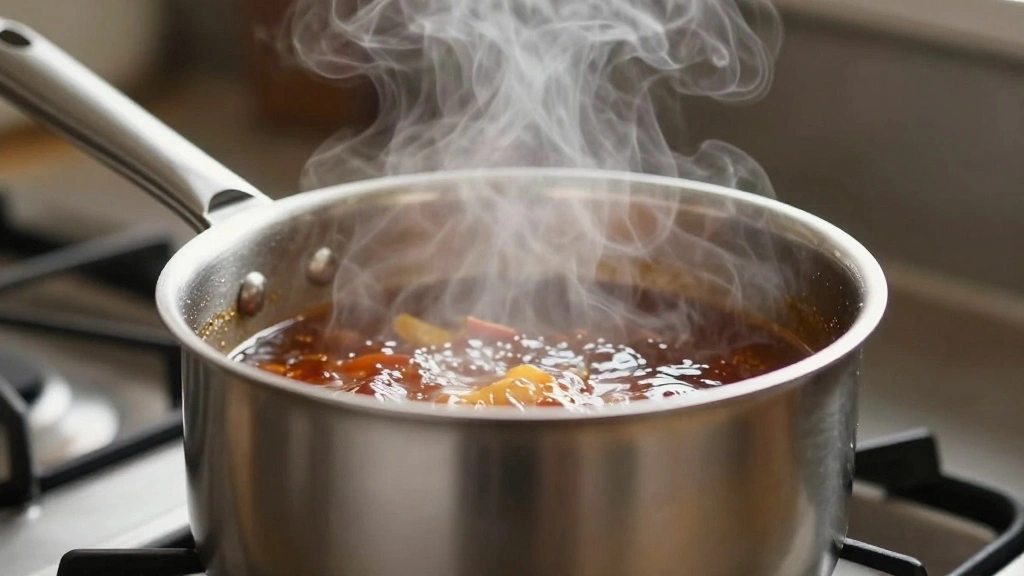
Allow the sauce to gently heat and thicken.
Whisk constantly to maintain a smooth texture.
Look for a slight thickening of the sauce.
Remove from heat once desired thickness is reached.


Step 6: Taste and Adjust Seasoning
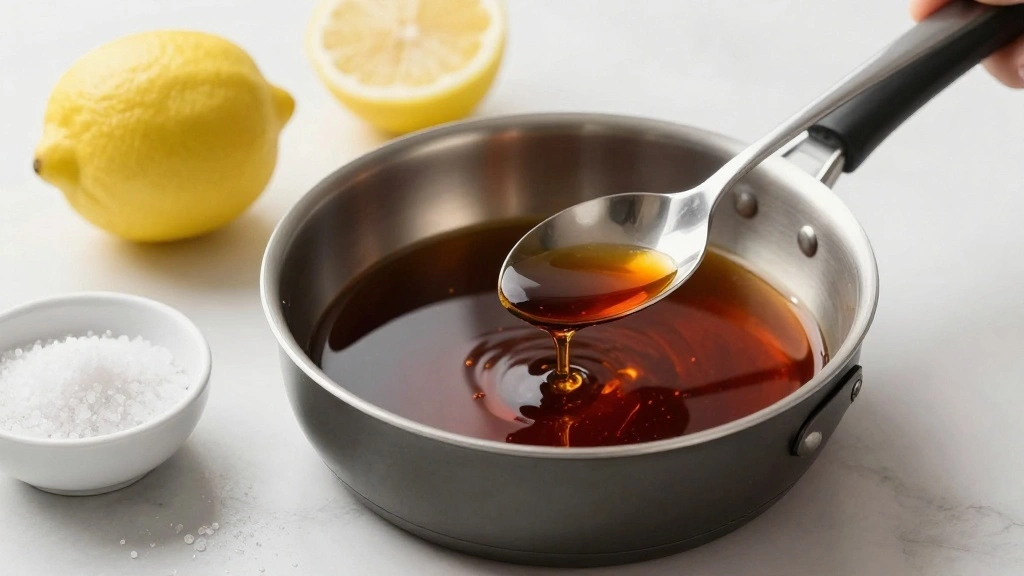
Taste the sauce for seasoning.
Add more salt or lemon juice if needed.
Whisk again to incorporate any adjustments.
Ensure flavors are balanced before serving.


Step 7: Serve Immediately
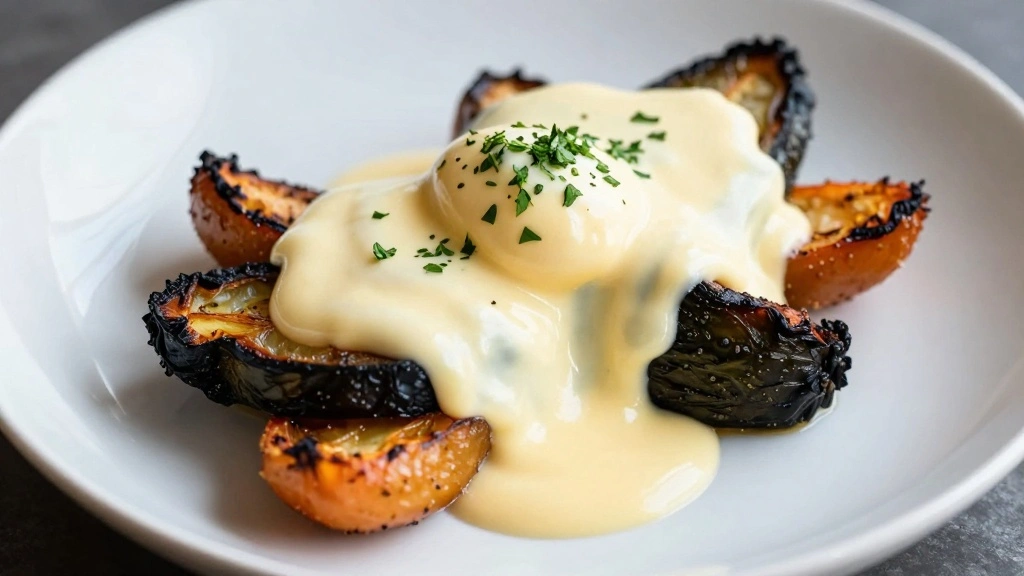
Pour the sauce over your chosen dish.
Use immediately while warm for best results.
The sauce pairs well with roasted vegetables or vegan eggs benedict.
Garnish with fresh herbs for added flavor.


Step 8: Store Leftovers

Transfer any leftover sauce to an airtight container.
Refrigerate for up to three days.
Reheat gently on the stove, adding a splash of water if needed.
Stir continuously while reheating to maintain texture.


Critical Timing and Temperature Guide
Soaking Cashews: Soak for at least 2 hours; visual indicator is when cashews are plump and soft. Avoid under-soaking as it leads to a grainy texture.
Blending: Blend for 2-3 minutes until completely smooth. Look for a uniform creamy texture; stop to scrape sides if necessary.
Heating the Sauce: Heat at low temperature, stirring constantly for 3-5 minutes. Avoid boiling, which can cause separation.



Pro Tips for Vegan Hollandaise Sauce
• Ingredient Selection: Choose high-quality raw cashews and fresh lemon juice for the best flavor and texture.
• Preparation Secret: A pinch of turmeric not only adds color but also a subtle depth of flavor.
• Temperature Management: Ensure all ingredients are at room temperature before blending to help emulsification.
• Texture Enhancement: Blend for longer at a high speed to achieve a silky, smooth consistency.
• Flavor Layering: Use Dijon mustard and nutritional yeast to add complexity and a subtle cheesy undertone.
• Make-Ahead Strategies: Prepare the sauce a day in advance and store it in the refrigerator; reheat gently with additional water.
• Restaurant-Quality Finishing Touches: Garnish with fresh dill or chives for an elegant presentation.
• Equipment Optimization: Ensure your blender is powerful enough to handle nuts for the creamiest result.
Troubleshooting Common Issues
• Texture Too Grainy: Caused by insufficient soaking or inadequate blending. Ensure cashews are soaked properly and blend longer.
• Sauce Too Thin: Results from too much water. Reheat and reduce slightly, or blend with a few more soaked cashews.
• Flavor Too Bland: Often due to under-seasoning. Adjust with additional salt, lemon juice, or mustard.
• Separation During Heating: Occurs if the sauce boils. Reduce heat immediately and whisk vigorously to re-emulsify.
• Color Too Pale: Add a pinch more turmeric for a richer color without altering flavor.




Variations and Regional Differences
• Spicy Variation: Add a pinch of cayenne pepper for a spicy kick, common in Southern-inspired vegan dishes.
• Herbed Version: Incorporate fresh herbs like tarragon or dill for a fresh herbaceous flavor, popular in Mediterranean cuisine.
• Smoky Style: Add a few drops of liquid smoke or smoked paprika for a smoky depth often found in American BBQ variations.
• Nut-Free Variation: Substitute sunflower seeds for cashews, ideal for those with nut allergies, while maintaining a similar creamy texture.


Food Science Behind the Recipe
• Emulsification: Understanding how fats and acids interact helps achieve the sauce's creamy texture without dairy.
• Protein Structure: Soaking cashews alters their protein structure, allowing for a smoother blend and better thickening properties.
• Flavor Compounds: Nutritional yeast provides umami, enhancing the overall flavor without the need for cheese.



Frequently Asked Questions
What's the most common mistake people make when preparing Vegan Hollandaise Sauce? The most common mistake is not soaking the cashews long enough, leading to a grainy texture.
Can I freeze the sauce? Freezing is not recommended as it can alter the sauce's texture and cause separation upon thawing.
How do I fix a sauce that's too thick? Gradually blend in more water or plant-based milk until the desired consistency is reached.
Is there a nut-free option? Yes, substitute sunflower seeds for cashews to create a nut-free version.
What's the best way to reheat the sauce? Gently reheat on the stove, stirring constantly, and add a splash of water if needed.
Can I make this sauce in advance? Yes, prepare the sauce up to two days ahead and store it in the refrigerator.
What's the best way to serve this sauce? Serve warm over dishes like tofu benedict, roasted vegetables, or vegan sushi rolls.
Why is nutritional yeast used in this recipe? Nutritional yeast adds a cheesy flavor and depth, essential for mimicking traditional hollandaise.
Serving and Presentation Guide
• Traditional Presentation: Serve warm over a vegan eggs benedict setup with toasted English muffins and sautéed spinach.
• Rustic Presentation: Drizzle generously over roasted asparagus or cauliflower steaks for a hearty side dish.
• Gourmet Presentation: Use a squeeze bottle to create elegant swirls on a plate, paired with grilled tempeh.
• Casual Presentation: Serve in a small bowl for dipping with crudités or warm bread.


Conclusion
This Vegan Hollandaise Sauce is a delightful twist on a classic favorite, offering both flavor and versatility.
With this recipe, you'll enjoy a creamy, decadent sauce that's both dairy-free and easy to prepare.
Try it today and elevate your plant-based meals with this deliciously rich sauce.