
Slow Cooker Recipes: Easy Meals, Less Effort!
Family-friendly dishes for busy people — quick prep, delicious results.
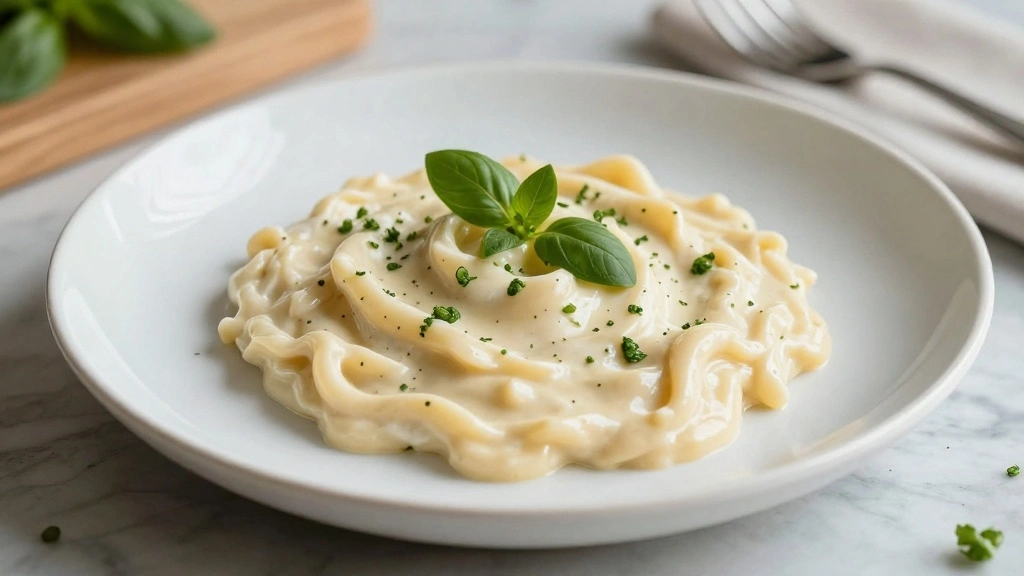
Grab yours for $4The vegan Alfredo sauce brings a creamy, indulgent experience without any dairy, making it perfect for those who are lactose intolerant or following a plant-based diet.
Its rich, savory flavor profile is achieved through a blend of cashews and nutritional yeast, offering a satisfying alternative to traditional Alfredo.
I first discovered this delightful recipe while experimenting with vegan alternatives, and it quickly became a family favorite.
This sauce is not only delicious but also versatile, pairing wonderfully with pasta, vegetables, or as a dip.
With its simple ingredients and quick preparation, this vegan Alfredo sauce is perfect for busy weeknight dinners or a cozy weekend meal.
Dive into this recipe to find out how easy it is to enjoy a creamy, dairy-free Alfredo sauce at home.
The History and Cultural Significance
• Vegan Alfredo Sauce traces its origins to the 20th century in Italy, where it was originally created by Alfredo di Lelio, but the vegan version emerged as part of the modern plant-based movement.
• The dish evolved over decades as traditional cream and cheese were replaced with plant-based alternatives, eventually becoming the beloved version we know today.
• In vegan culture, this dish traditionally appears at gatherings, symbolizing inclusivity and innovation in plant-based cooking.
• While many variations exist across different regions, the authentic version maintains a creamy texture achieved through cashews and nutritional yeast, setting it apart from imitations.


Recipe Overview
Nutritional Information (per serving)
Essential Equipment Guide
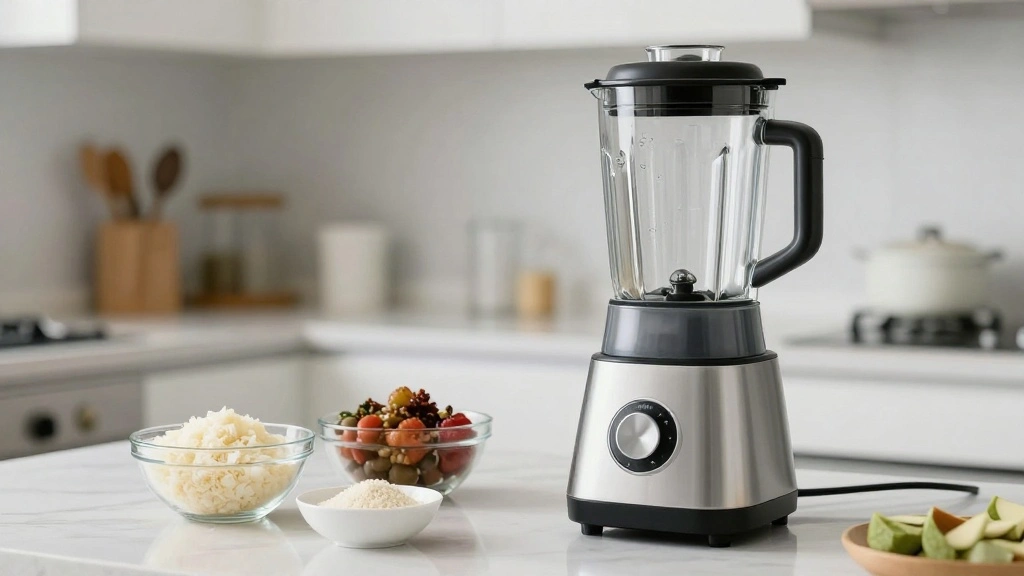
Blender: A high-speed blender is crucial for achieving a smooth and creamy sauce. While a food processor can work as an alternative, it may not produce as silky a texture. Look for a blender with strong blades and multiple speed settings.
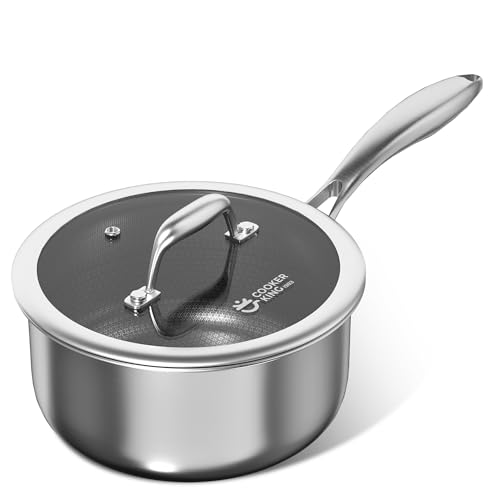
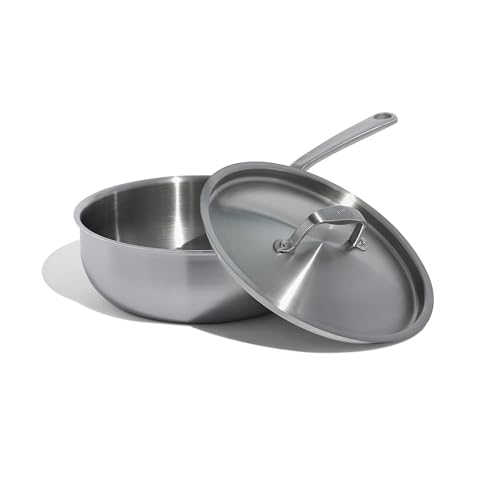
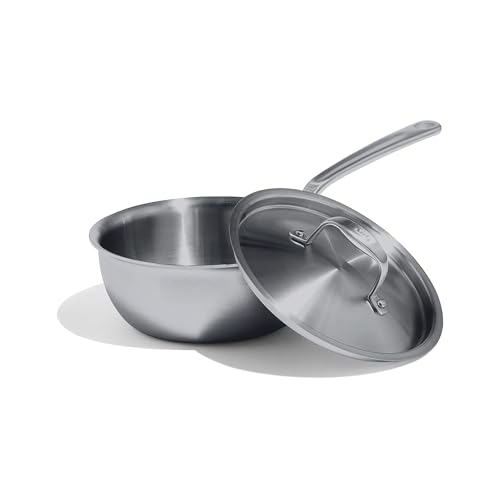
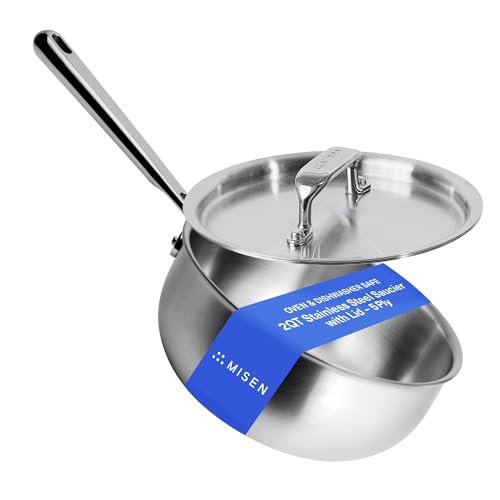
Medium Saucepan: This is essential for gently heating the sauce without burning it. A non-stick or stainless steel saucepan is ideal for even heat distribution.
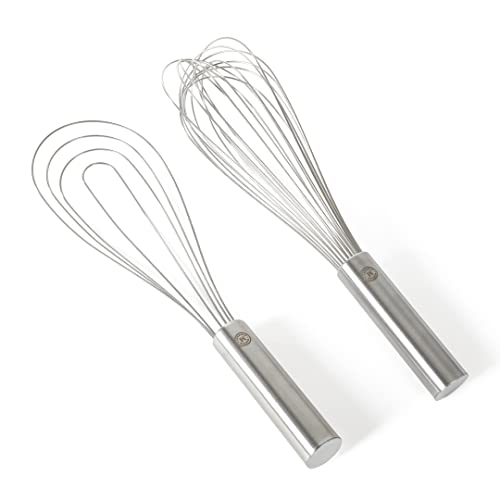
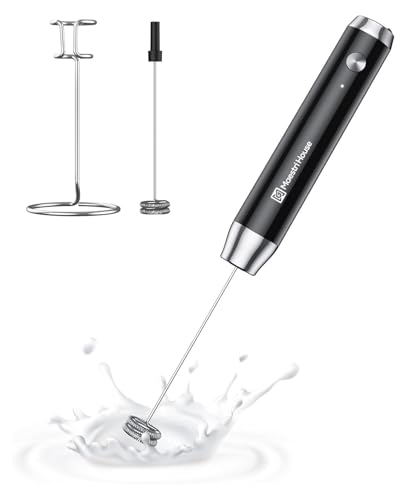
Whisk: A whisk is important for incorporating all ingredients smoothly and ensuring the sauce remains lump-free. A silicone whisk can prevent scratching if using non-stick cookware.



Ingredients
For the Sauce
|
| Amount | Ingredient | Notes |
|---|---|---|
| 1 cup | raw cashews | soaked in water for 2 hours |
| 2 cups | water | for blending |
| 3 tablespoons | nutritional yeast | adds cheesy flavor |
| 2 tablespoons | lemon juice | for brightness |
| 2 cloves | garlic | minced, for flavor |
Seasonings
| Amount | Ingredient | Notes |
|---|---|---|
| 1 teaspoon | salt | enhances overall taste |
| 1/2 teaspoon | black pepper | for warmth |
| 1/4 teaspoon | nutmeg | adds subtle depth |


Preparation Methods
Soaking Cashews: Soaking the cashews is crucial for softening them, which ensures a smooth and creamy texture when blended. To master this, soak them in cold water for at least two hours or overnight for best results.
Blending: Achieving the right consistency requires blending the soaked cashews with water until completely smooth. Use a high-speed blender for the best results and blend for at least two minutes.
Heating the Sauce: Gently heat the sauce over medium-low heat, stirring constantly to prevent sticking and ensure even heating. This step thickens the sauce and enhances the flavors.


Step 1: Prepare Ingredients
Gather all ingredients and equipment.
Ensure cashews have been soaked for at least two hours.
Drain and rinse the soaked cashews.
Measure out other ingredients for easy access.


Step 2: Blend the Base
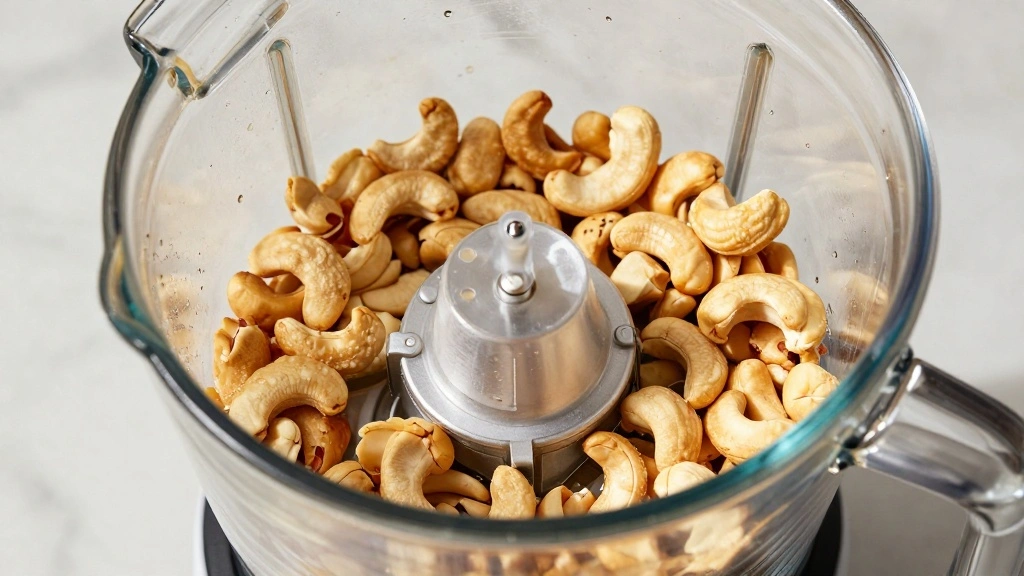
Place the soaked cashews into the blender.
Add water, nutritional yeast, lemon juice, and garlic.
Blend on high speed for 2 minutes or until completely smooth.
Stop occasionally to scrape down sides if needed.


Step 3: Season the Sauce
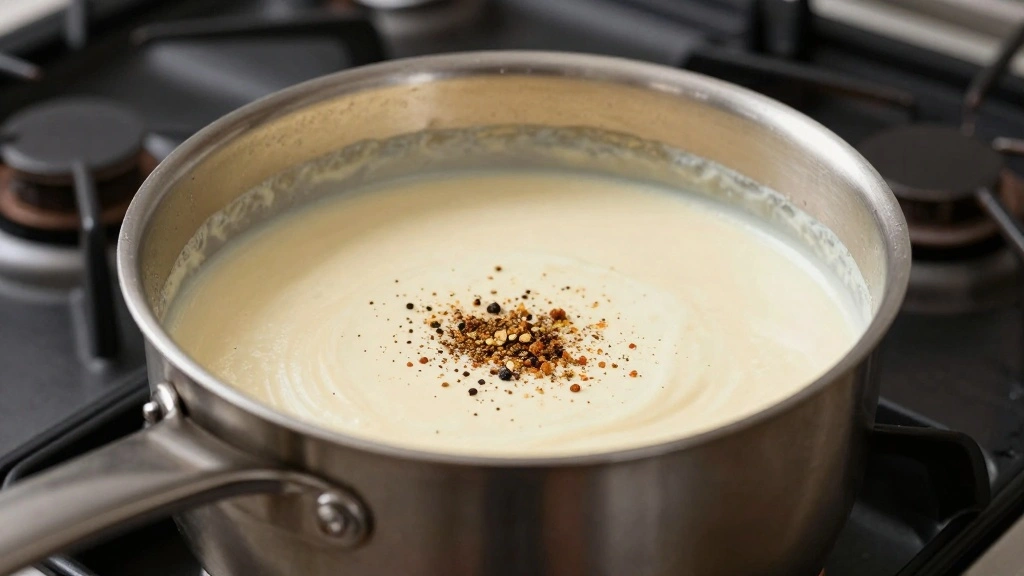
Transfer the blended mixture to a medium saucepan.
Add salt, black pepper, and nutmeg to the saucepan.
Stir well to incorporate the seasonings evenly.
Taste and adjust seasoning if necessary.



Step 4: Heat the Sauce
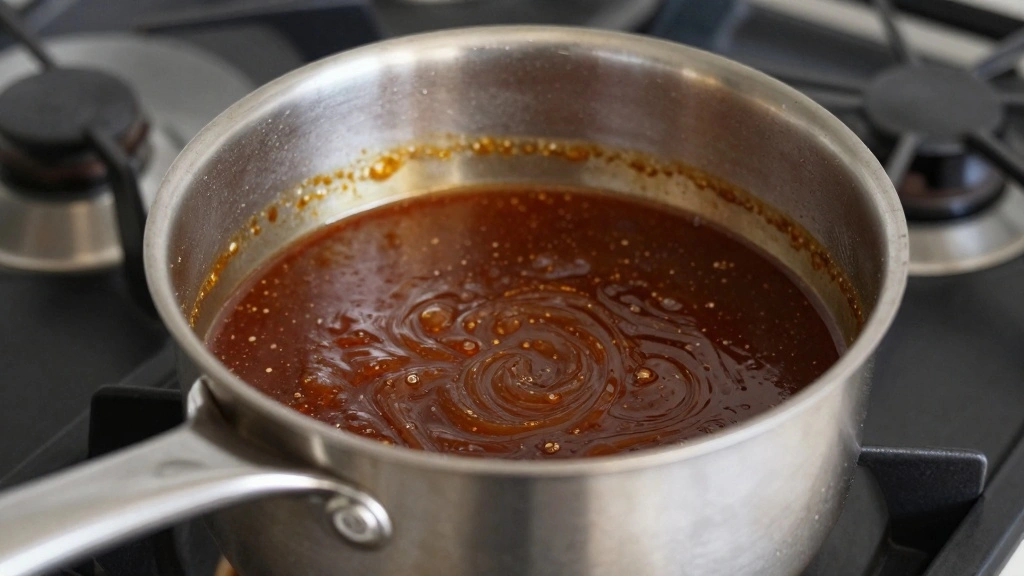
Place the saucepan over medium-low heat.
Stir constantly to prevent the sauce from sticking.
Heat until the sauce thickens and is warmed through.
Avoid boiling to maintain a smooth texture.


Step 5: Adjust Consistency
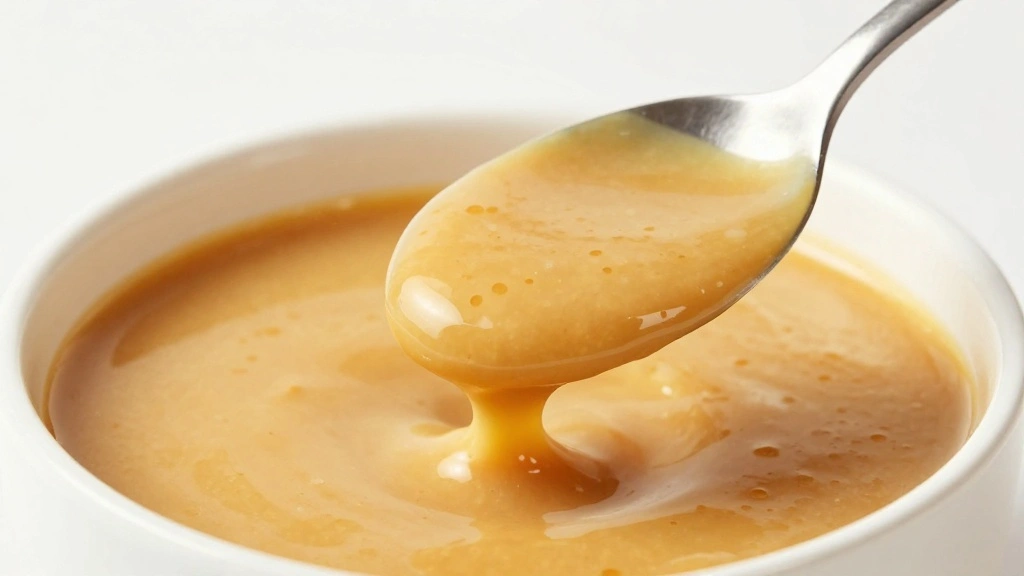
If the sauce is too thick, add water a tablespoon at a time.
Continue stirring and heating until the desired consistency is reached.
The sauce should coat the back of a spoon.
Remove from heat once the right texture is achieved.



Step 6: Prepare Pasta

Cook your choice of pasta according to package instructions.
Ensure to save a cup of pasta water for adjusting sauce consistency later.
Drain pasta once cooked to the desired doneness.
Set pasta aside while finishing the sauce.


Step 7: Combine Pasta and Sauce
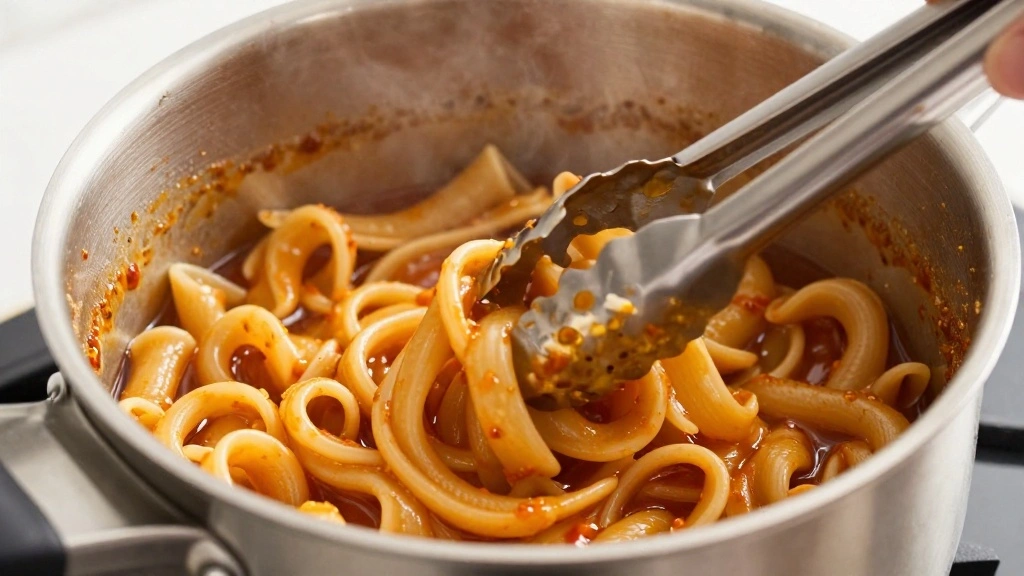
Add cooked pasta to the saucepan with the sauce.
Toss until pasta is evenly coated with the sauce.
Use reserved pasta water if needed to loosen the sauce.
Ensure pasta is thoroughly heated through.


Step 8: Serve and Garnish
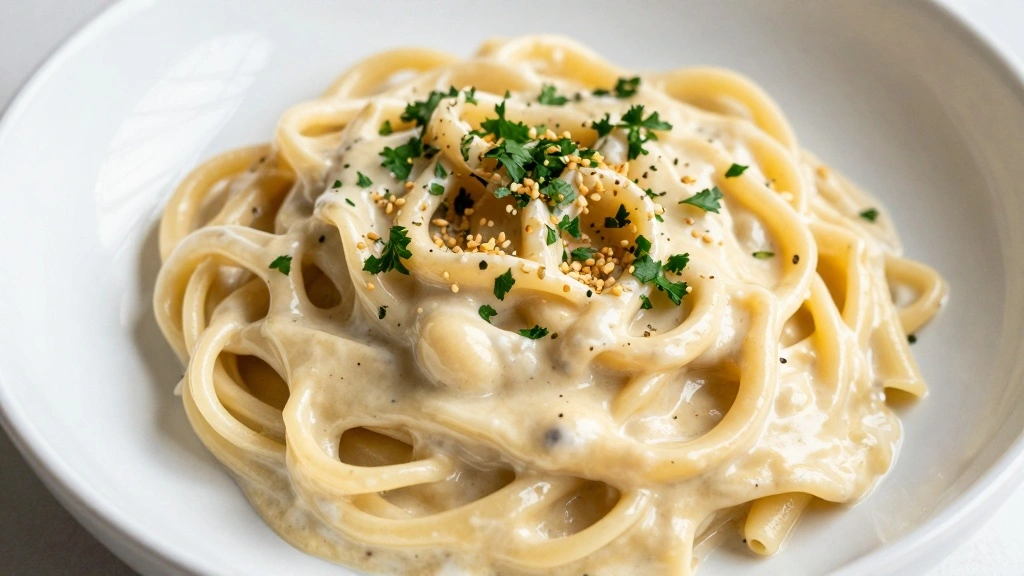
Transfer the pasta to serving plates or bowls.
Garnish with fresh herbs like parsley for added color.
Sprinkle additional nutritional yeast if desired.
Serve immediately while hot.


Critical Timing and Temperature Guide
Soaking Cashews: Soak cashews for at least 2 hours in cold water to ensure softness. Over-soaking can lead to a mushy texture.
Blending: Blend for a minimum of 2 minutes or until completely smooth. Under-blending may result in a gritty sauce.
Heating the Sauce: Heat the sauce over medium-low for about 5-7 minutes. Avoiding boiling is essential to maintain a smooth texture.



Pro Tips for Vegan Alfredo Sauce
• Ingredient Selection: Choose raw, unsalted cashews for the creamiest texture. Fresh garlic and lemon juice will enhance the sauce's flavor profile.
• Preparation Secret: Soak cashews longer for an even creamier result, especially if your blender isn't high-powered.
• Temperature Management: Heat the sauce gently to avoid curdling or separation.
• Texture Enhancement: For an extra-smooth sauce, strain through a fine-mesh sieve after blending.
• Flavor Layering: Sauté garlic briefly before blending to add depth.
• Make-Ahead Strategies: Prepare the sauce up to 2 days in advance. Store in an airtight container and reheat gently.
• Restaurant-Quality Finishing Touches: Add a touch of truffle oil for luxurious aroma and flavor.
• Equipment Optimization: Use a spatula to scrape down blender sides to ensure all ingredients are fully incorporated.
Troubleshooting Common Issues
• Grainy Texture: This is often caused by under-blending or insufficient soaking of cashews. Ensure cashews are fully soft and blend until completely smooth.
• Sauce Too Thick: Add more water or pasta cooking water gradually while stirring to achieve the desired consistency.
• Flavors Unbalanced: Salt can enhance flavors; add a pinch more if the sauce tastes flat. Lemon juice can also brighten the dish.
• Sauce Separating: Overheating can cause separation. Heat gently and stir constantly to keep the sauce emulsified.
• Lacking Creaminess: Ensure you use raw, high-quality cashews and blend thoroughly for a creamy texture.
• Unpleasant Aftertaste: This may be due to old or poor-quality nutritional yeast. Use fresh, quality products for the best taste.



Variations and Regional Differences
• Italian Style: Traditional Alfredo uses Parmesan cheese and butter. The vegan version substitutes these with nutritional yeast and cashews.
• Garlic-Heavy Variation: Increase garlic to enhance its savory profile, creating a bold, robust flavor.
• Herb-Infused Alfredo: Add fresh basil or oregano for an aromatic twist that complements the creamy base.
• Mushroom Alfredo: Incorporate sautéed mushrooms for additional texture and umami depth.



Food Science Behind the Recipe
• Emulsification: The blending of cashews with water creates an emulsion, providing a creamy texture without dairy.
• Umami Enhancement: Nutritional yeast adds umami, mimicking the savory depth of cheese through naturally occurring glutamates.
• Heat Sensitivity: Gently heating the sauce prevents proteins from breaking down, maintaining a smooth, consistent texture.


Frequently Asked Questions
What's the most common mistake people make when preparing Vegan Alfredo Sauce? The most common mistake is not blending the cashews thoroughly, which can result in a gritty texture.
Can I prepare this sauce ahead of time? Yes, you can make it up to 2 days in advance and store it in the refrigerator.
How can I make the sauce thicker? Reduce the amount of water used in blending or add more cashews for a thicker consistency.
Is it possible to freeze the sauce? Yes, freeze it in an airtight container for up to a month, and reheat gently.
What can I use instead of cashews? Blanched almonds or macadamia nuts can be used, but may alter the flavor slightly.
How do I fix a sauce that's too salty? Add a little more lemon juice or unsweetened almond milk to balance the flavors.
Can I use this sauce for other dishes? Yes, it's versatile and can be used as a base for creamy soups or casseroles.
What pasta goes best with this sauce? Fettuccine is traditional, but any pasta shape can work well with this sauce.
Serving and Presentation Guide
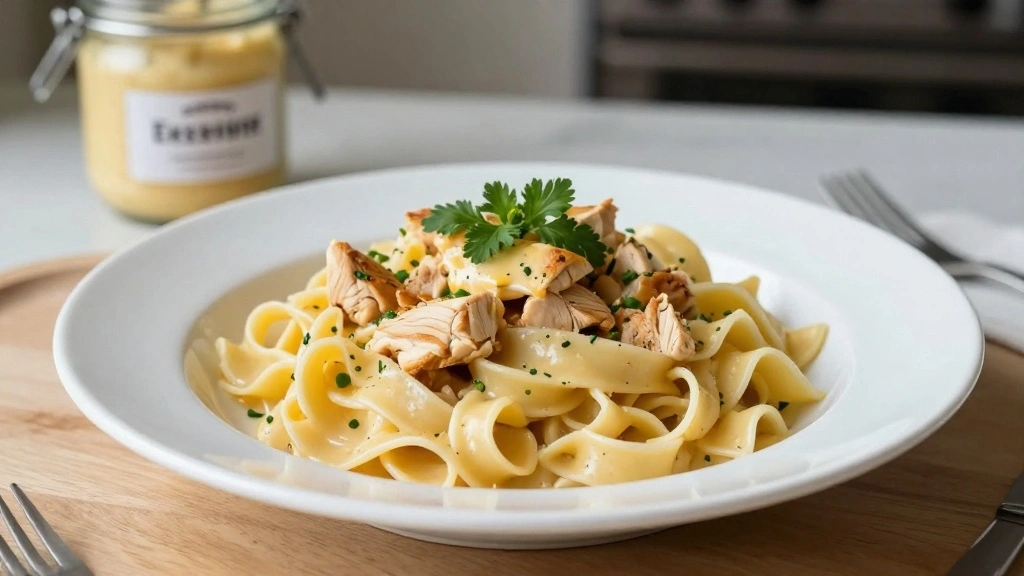
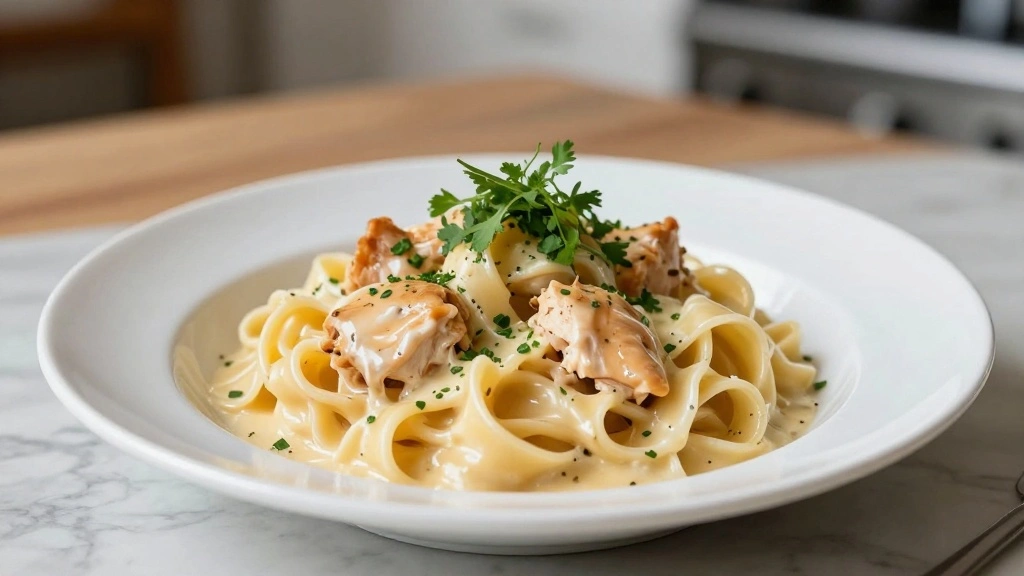
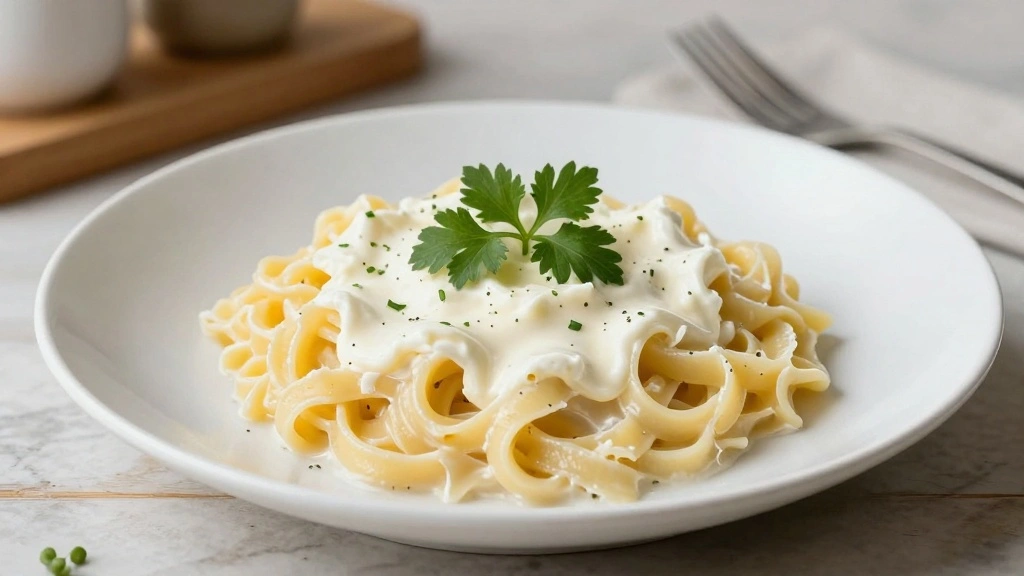
• Traditional Presentation: Serve over fettuccine with a sprinkle of parsley on top.
• Family Style: Serve in a large bowl with tongs for self-serving, garnished with fresh herbs.
• Restaurant Style: Twirl pasta into a neat mound on the plate and drizzle with truffle oil.
• Casual Presentation: Mix with roasted vegetables and serve in a deep dish for a comforting meal.


Conclusion
With this Vegan Alfredo Sauce recipe, you can enjoy a creamy, indulgent dish without the dairy.
It's an easy and versatile sauce that can elevate any meal to new heights.
I hope you find this recipe as delightful and satisfying as I do, and that it becomes a staple in your kitchen.
Try it today and discover the joy of plant-based cooking.