
Slow Cooker Recipes: Easy Meals, Less Effort!
Family-friendly dishes for busy people — quick prep, delicious results.
Grab yours for $4The classic Greek Tzatziki Sauce brings together centuries of culinary tradition with fresh ingredients to create a dish that’s both refreshing and versatile.
The harmonious balance of creamy yogurt, crisp cucumber, and aromatic garlic creates a memorable dining experience that will have everyone asking for your secret.
I discovered this recipe during my travels through Greece, where local chefs have perfected it through generations of careful refinement.
Whether you’re preparing a casual family dinner or hosting a special celebration, this Tzatziki Sauce delivers impressive results with straightforward preparation.
The History and Cultural Significance
• Greek Tzatziki Sauce traces its origins to the Ottoman Empire, where it was originally created as a cooling accompaniment to spicy dishes.
• The dish evolved over decades as Greek chefs incorporated local ingredients like fresh dill and olive oil, eventually becoming the beloved version we know today.
• In Greek culture, this dish traditionally appears at mezze tables during family gatherings and celebrations, symbolizing hospitality and togetherness.
• While many variations exist across different regions, the authentic version maintains a creamy texture and a fresh, tangy flavor that sets it apart from imitations.



Recipe Overview
Nutritional Information (per serving)
Essential Equipment Guide
Box Grater: A box grater is crucial for achieving the perfect texture when grating cucumbers. While a food processor might work, a box grater allows for more control over the size of the cucumber shreds, ensuring they blend seamlessly into the yogurt.
Fine Mesh Strainer: Essential for draining the excess liquid from the grated cucumber, preventing the sauce from becoming watery. Look for a strainer with a sturdy frame and fine mesh to ensure optimal drainage.
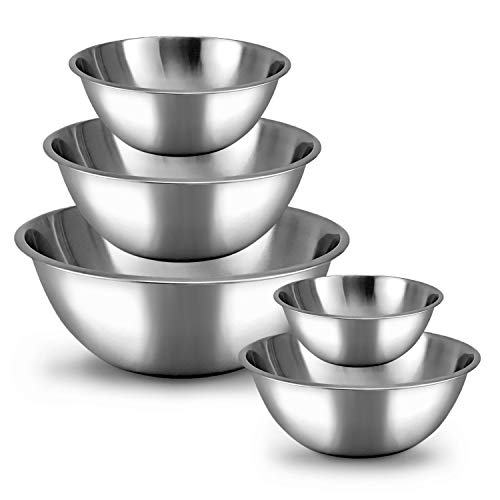
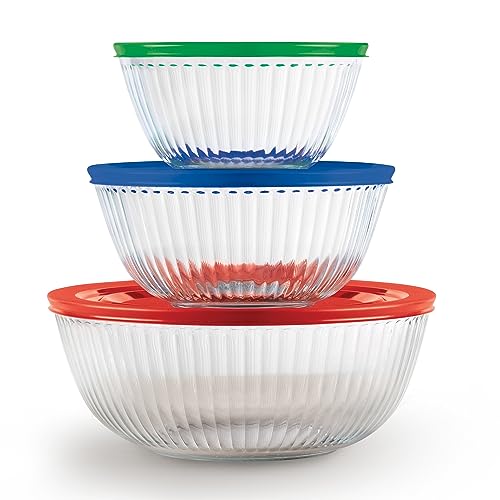
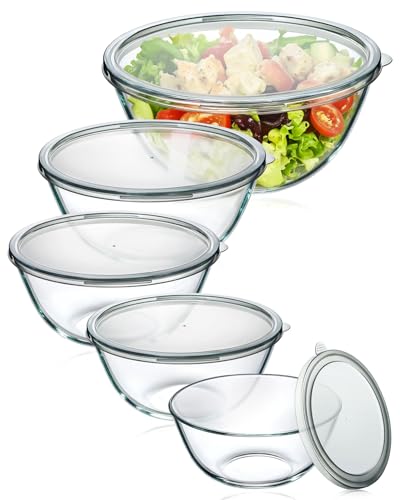
Mixing Bowl: A medium-sized mixing bowl is necessary for combining all ingredients evenly. Opt for a non-reactive material like glass or stainless steel to avoid any unwanted flavors.



Ingredients
For the Base
|
| Amount | Ingredient | Notes |
|---|---|---|
| 2 cups | Greek yogurt | full-fat for creaminess |
Vegetables
| Amount | Ingredient | Notes |
|---|---|---|
| 1 medium | cucumber | grated and drained |
Seasonings
| Amount | Ingredient | Notes |
|---|---|---|
| 2 cloves | garlic | minced for bold flavor |
| 1 tablespoon | olive oil | adds richness |
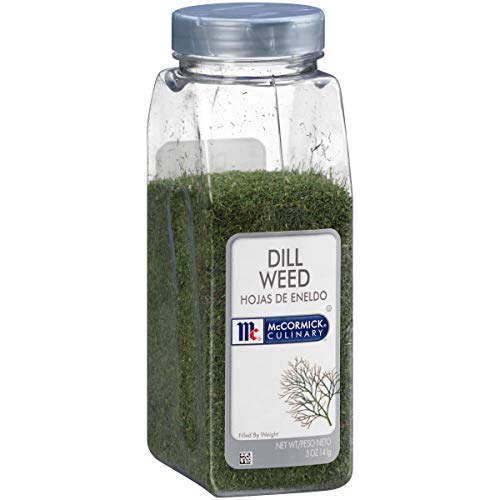
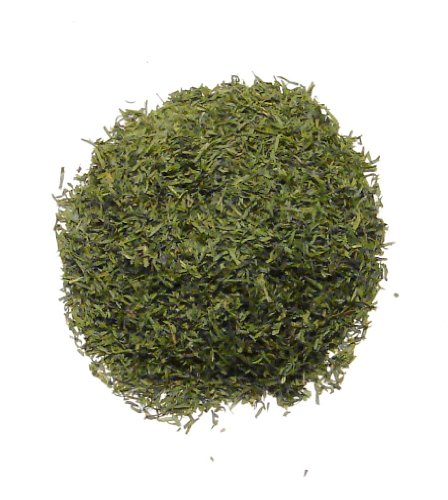
| 1 tablespoon | fresh dill | chopped finely |
| 1 tablespoon | lemon juice | freshly squeezed for tanginess |
| 0.5 teaspoon | salt | enhances flavor |
| 0.25 teaspoon | black pepper | freshly ground |


Preparation Methods
Grating and Draining Cucumber: Grate the cucumber using a box grater. Place the grated cucumber in a fine mesh strainer over a bowl and press down with the back of a spoon to extract excess moisture. This step is crucial to prevent the sauce from becoming too watery.
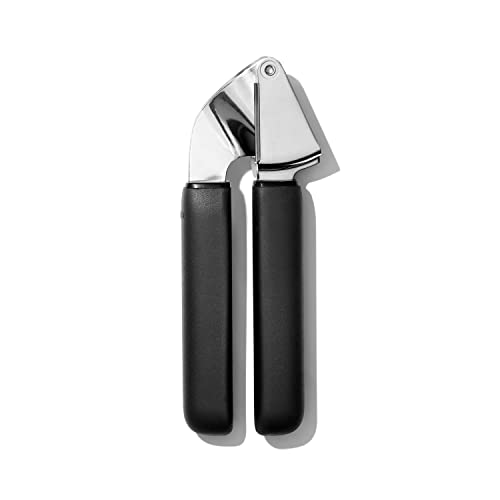
Mincing Garlic: For a more aromatic flavor, mince the garlic cloves finely using a sharp knife, or use a garlic press for convenience. The finer the garlic, the more it will infuse the yogurt with its flavor.
Mixing and Resting: Combine all ingredients in a mixing bowl and allow the sauce to rest in the refrigerator for at least 30 minutes before serving. This resting period helps the flavors meld together for a more cohesive taste.

![Freshware Meal Prep Containers [50 Pack] 1 Compartment Food Storage](https://m.media-amazon.com/images/I/51r57NZnmfL._SL500_.jpg)


Step 1: Prepare Ingredients
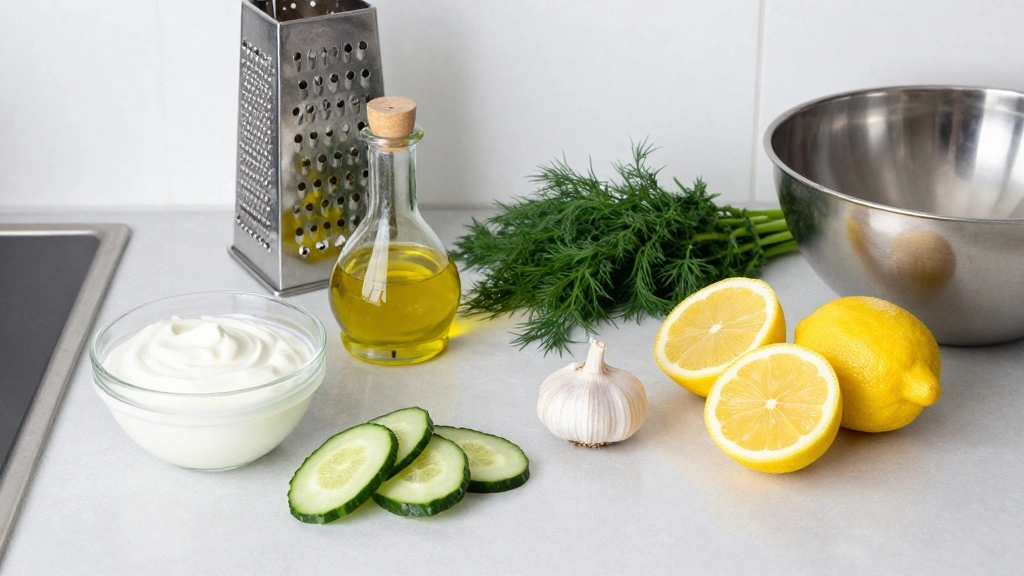
Gather all your ingredients and equipment.
Ensure the Greek yogurt is at room temperature to blend more easily.
Wash the cucumber and dill to remove any dirt or pesticides.
Peel the cucumber if desired for a smoother texture.


Step 2: Grate the Cucumber
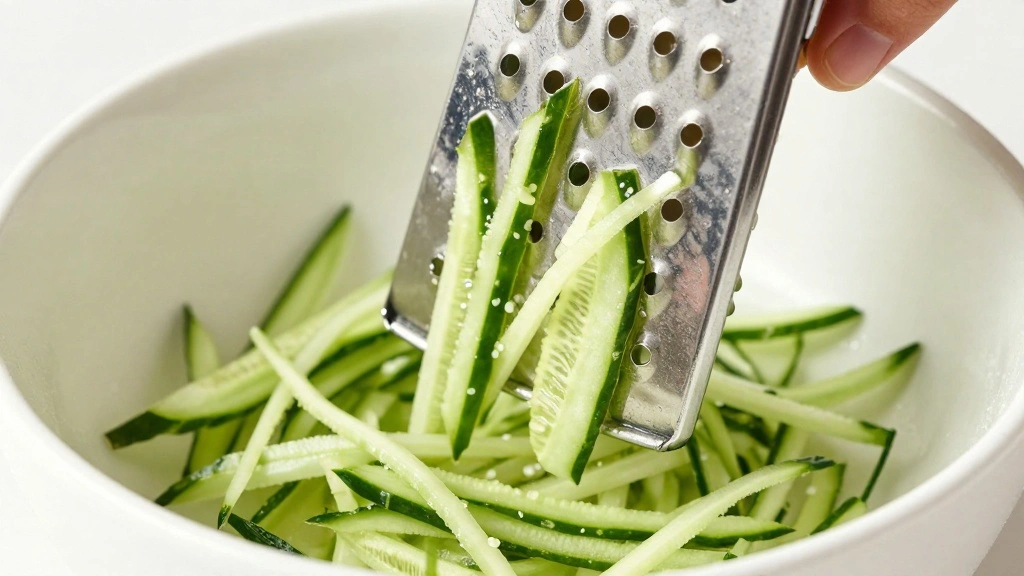
Use a box grater to grate the cucumber finely.
Grate over a bowl to catch any excess juice.
Ensure even grating to maintain a consistent texture in the sauce.
Use a gentle back-and-forth motion for best results.


Step 3: Drain the Cucumber
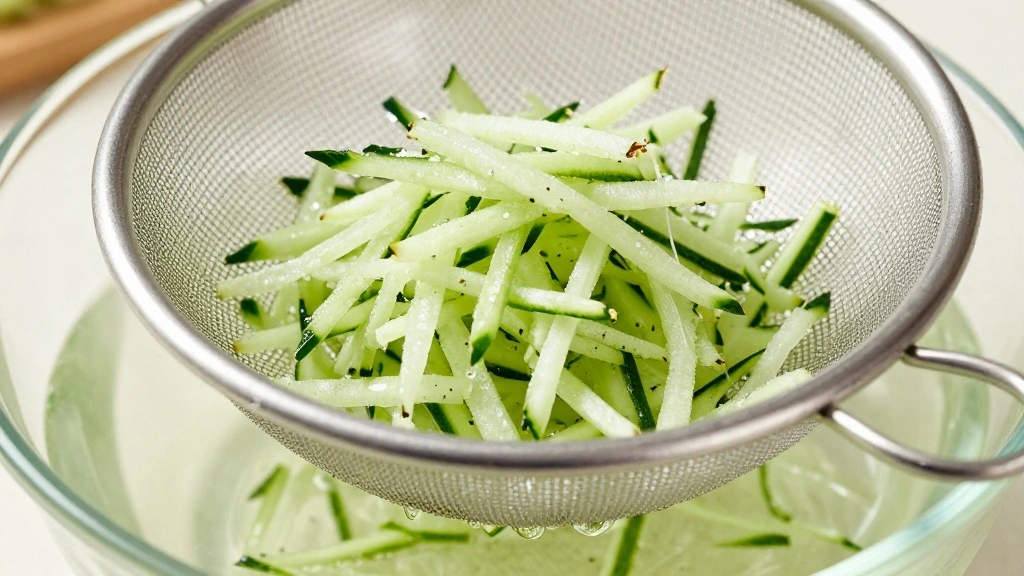
Place the grated cucumber in a fine mesh strainer.
Press down gently with the back of a spoon to remove moisture.
Allow the cucumber to sit and drain for a few minutes.
Check that most of the liquid has been removed.




Step 4: Mince the Garlic
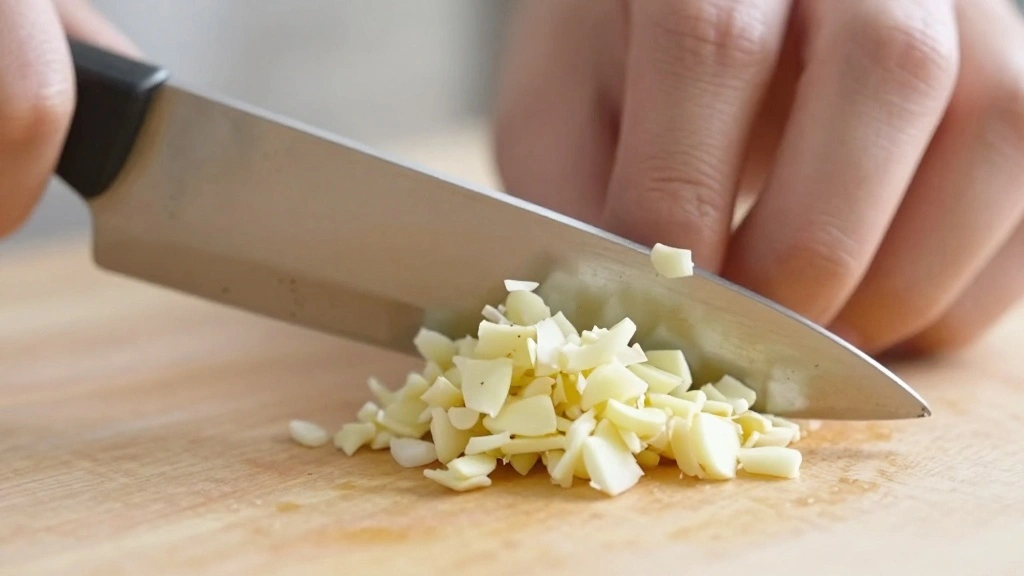
Peel the garlic cloves and mince finely using a sharp knife.
Ensure the garlic pieces are uniform for even flavor distribution.
Alternatively, use a garlic press for convenience.
Avoid large chunks to prevent overpowering the sauce.


Step 5: Combine Ingredients

In a mixing bowl, add the Greek yogurt.
Stir in the drained cucumber, minced garlic, olive oil, dill, lemon juice, salt, and pepper.
Mix until all ingredients are well combined.
Ensure the mixture is smooth and evenly blended.




Step 6: Adjust Seasonings
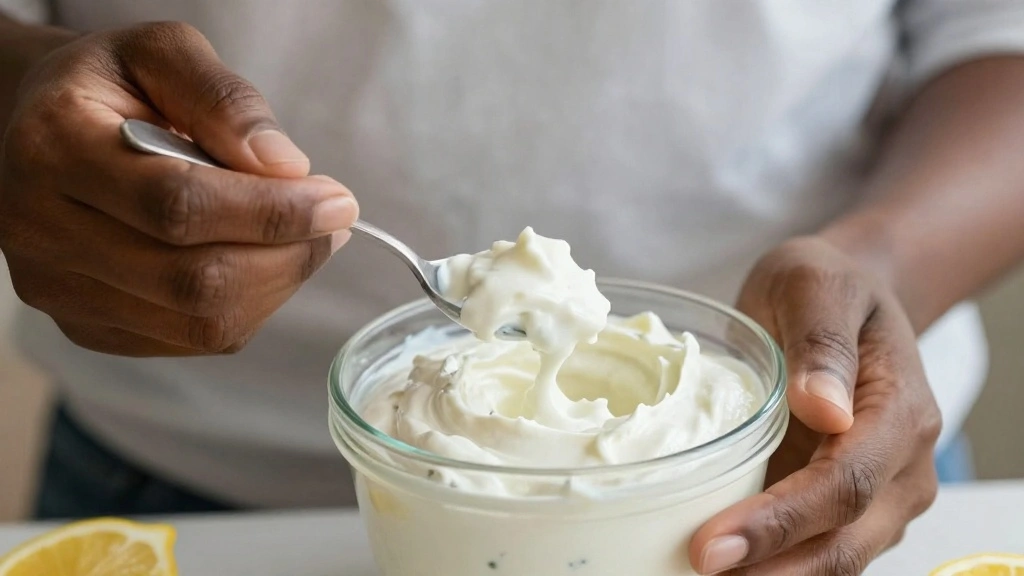
Taste the sauce and adjust the seasoning if necessary.
Add more salt, lemon juice, or dill according to preference.
Be cautious with salt as flavors will intensify with resting.
Mix thoroughly after adjusting seasoning.



Step 7: Rest the Sauce
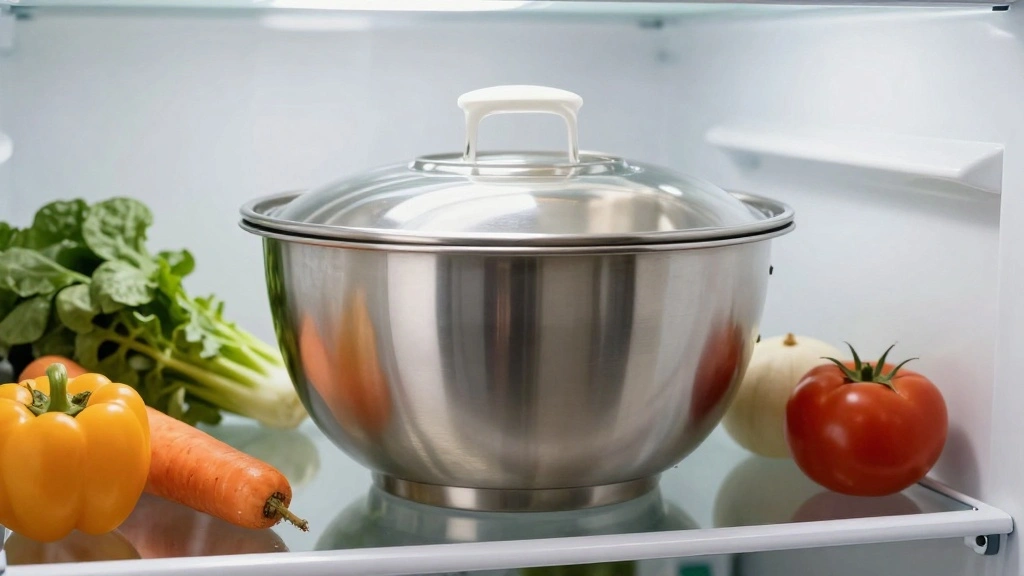
Cover the mixing bowl with plastic wrap or a lid.
Place the bowl in the refrigerator for at least 30 minutes.
This resting period allows flavors to meld together.
Check that the sauce is thickened and flavors are balanced.


Step 8: Serve and Enjoy
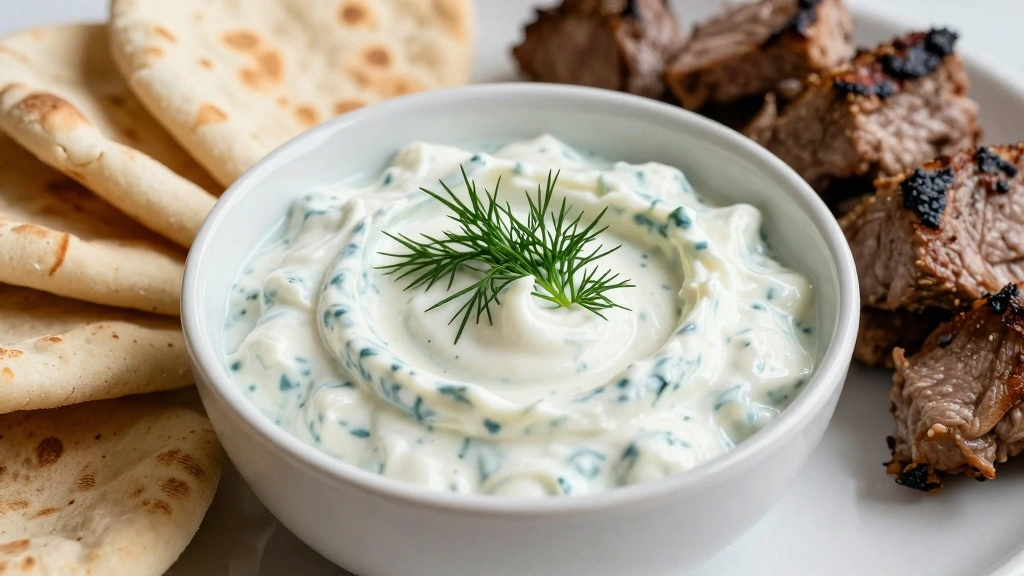
Transfer the chilled tzatziki sauce to a serving bowl.
Garnish with a sprig of fresh dill for presentation.
Serve alongside pita, grilled meats, or as a salad dressing.
Enjoy the refreshing and tangy flavors.


Critical Timing and Temperature Guide
Grating Cucumber: Grate the cucumber just before mixing to maintain freshness, aiming for a fine texture for best integration.
Draining Cucumber: Allow the cucumber to drain for at least 5 minutes, ensuring most liquid is removed to prevent a watery sauce.
Resting Time: Rest the sauce in the refrigerator for a minimum of 30 minutes to allow flavors to meld; avoid skipping this step to ensure a balanced taste.


Pro Tips for Greek Tzatziki Sauce
• Ingredient Selection: Choose full-fat Greek yogurt for a creamier texture, and opt for fresh, firm cucumbers to avoid excess water content.
• Preparation Secret: Always drain the cucumber thoroughly to prevent the sauce from becoming too watery, a step often overlooked by home cooks.
• Temperature Management: Ensure the yogurt is at room temperature before mixing to achieve a smoother blend.
• Texture Enhancement: Use a fine mesh strainer for the cucumber to achieve the desired thick and creamy texture.
• Flavor Layering: Combine lemon juice and garlic to build a complex, tangy flavor profile unique to authentic tzatziki.
• Make-Ahead Strategies: Prepare the sauce up to a day in advance, storing it covered in the refrigerator to enhance flavor development.
• Restaurant-Quality Finishing Touches: Add a drizzle of high-quality olive oil and a sprinkle of dill just before serving for an elevated presentation.
• Equipment Optimization: For best results, use a sturdy mixing bowl and a high-quality box grater to streamline preparation.
Troubleshooting Common Issues
• Watery Sauce: This issue is often caused by insufficient draining of the cucumber. Use a fine mesh strainer and press firmly to extract moisture. If the sauce is already mixed, let it sit in the fridge to thicken or add a small amount of crushed garlic to absorb excess liquid.
• Overpowering Garlic: Too much garlic can dominate the flavor. Start with less and gradually add more, tasting as you go. If the sauce is already too garlicky, add more yogurt to balance.
• Insufficient Flavor: If the sauce tastes bland, it's often due to under-seasoning. Adjust by adding more salt, lemon juice, or dill, tasting after each addition to achieve the desired flavor.
• Texture Too Thick: If the sauce is too thick, it may need more lemon juice or a splash of water to loosen it. Mix thoroughly to ensure an even consistency.
• Flavors Not Blending: This is typically due to insufficient resting time. Allow the sauce to rest longer in the fridge to allow flavors to meld properly.


Variations and Regional Differences
• Turkish Cacik: This variation uses a thinner yogurt and often includes mint, creating a lighter and more refreshing sauce, typically served as a soup or cold beverage.
• Middle Eastern Labneh: A thicker, creamier version made with strained yogurt, often served with a drizzle of olive oil and za'atar, offering a richer taste and texture.
• Balkan Tarator: Similar to tzatziki but includes walnuts and sometimes bread crumbs, adding a unique texture and nutty flavor to the sauce.
• Persian Mast-o-Khiar: Includes dried mint and raisins, providing a sweet contrast to the savory elements, and is traditionally served as a side dish.




Food Science Behind the Recipe
• Yogurt Fermentation: The fermentation process of yogurt introduces probiotics that enhance gut health and create the characteristic tangy flavor of tzatziki.
• Emulsion of Ingredients: The incorporation of olive oil into the yogurt creates an emulsion, adding richness and a smooth mouthfeel to the sauce.
• Flavor Diffusion: Allowing the sauce to rest enables the flavors from garlic, cucumber, and dill to diffuse throughout the yogurt, resulting in a more cohesive and flavorful sauce.


Frequently Asked Questions
What's the most common mistake people make when preparing Tzatziki Sauce? The most common mistake is not adequately draining the cucumber, which can lead to a watery sauce. Ensure to press out as much liquid as possible.
Can I use regular yogurt instead of Greek yogurt? While you can, Greek yogurt is recommended for its thicker consistency, which is crucial for authentic tzatziki texture.
How long does Tzatziki Sauce last in the refrigerator? It can last for up to 3-4 days when stored in an airtight container, but it's best enjoyed fresh.
Is there an alternative to dill if I don't have any? Mint can be a refreshing alternative, providing a similar aromatic quality to the sauce.
What can I serve with Tzatziki Sauce? It's traditionally served with pita bread, grilled meats like souvlaki, or as a dip for vegetables.
Can Tzatziki Sauce be frozen? Freezing is not recommended as the texture can become grainy and separate upon thawing.
Why does my Tzatziki Sauce taste bland? This could be due to insufficient seasoning. Try adding more lemon juice, salt, or garlic to enhance the flavors.
Serving and Presentation Guide
• Traditional Presentation: Serve the sauce in a shallow bowl, drizzled with extra virgin olive oil and garnished with a sprig of dill for an authentic touch.
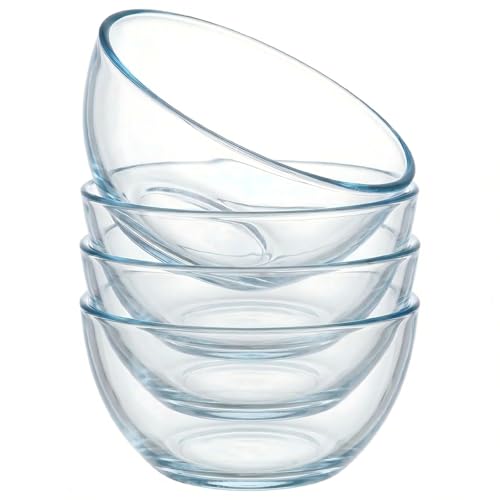
• Modern Twist: Serve in individual ramekins or small jars for personal servings, perfect for a modern appetizer platter.
• Party Platter: Arrange the sauce on a large platter surrounded by colorful vegetables, pita wedges, and olives for an eye-catching presentation.
• Garnishing Ideas: Add a sprinkle of paprika or a few pomegranate seeds for a vibrant pop of color and flavor contrast.



Conclusion
Now that you have the secrets to making authentic Greek Tzatziki Sauce, you're ready to impress your family and friends.
This refreshing and versatile sauce is sure to become a staple in your culinary repertoire.
So gather your ingredients and try this delicious recipe today.