
Slow Cooker Recipes: Easy Meals, Less Effort!
Family-friendly dishes for busy people — quick prep, delicious results.
Grab yours for $4The harmonious balance of robust steak and vibrant chimichurri sauce creates a memorable dining experience that will have everyone asking for your secret.
This classic combination brings together centuries of culinary tradition with modern techniques to create a dish that’s both comforting and elegant.
Whether you’re preparing a casual family dinner or hosting a special celebration, this steak with chimichurri delivers impressive results with straightforward preparation.
I first discovered this dish during my travels through Argentina, where local chefs have perfected it through generations of careful refinement.
The appeal lies in the contrast of the smoky, juicy steak with the fresh, zesty sauce that elevates each bite to new heights.
The History and Cultural Significance
• Steak with Chimichurri traces its origins to Argentina, where it was originally created by gauchos who needed a flavorful, easy-to-make sauce for their grilled meats.
• The dish evolved over decades as different herbs and spices were introduced, eventually becoming the beloved version we know today.
• In Argentine culture, this dish traditionally appears at family gatherings and asados (barbecues), symbolizing community and hospitality.
• While many variations exist across different regions, the authentic version maintains its vibrant green color and fresh, herbaceous taste that sets it apart from imitations.



Recipe Overview
Nutritional Information (per serving)
Essential Equipment Guide
Cast Iron Skillet: A cast iron skillet is crucial for achieving a perfect sear on the steak, providing even heat distribution and excellent heat retention. Alternatives like a heavy-duty stainless steel pan can work, but look for one with a thick base.
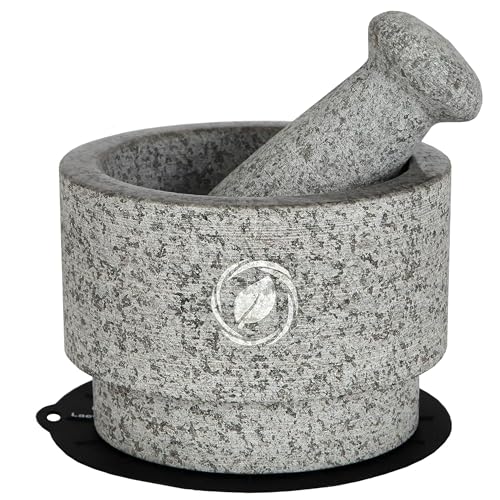
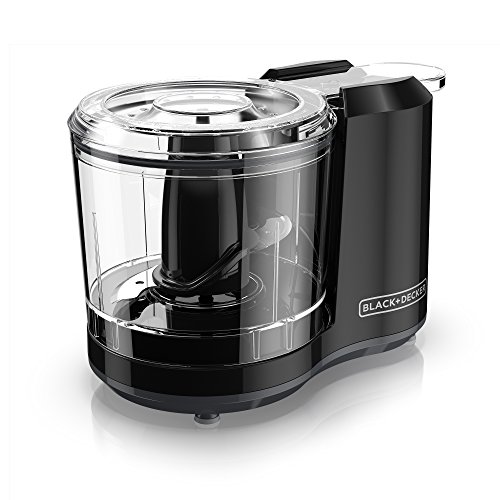
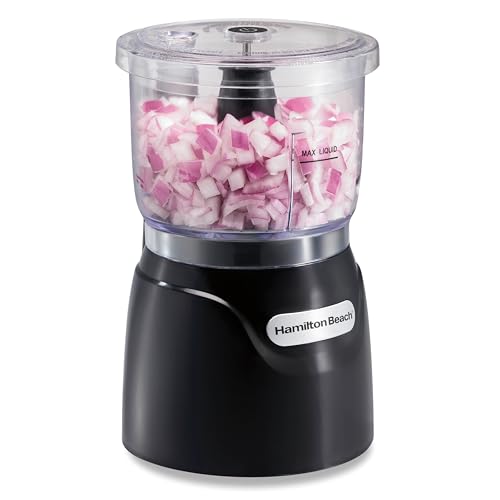
Food Processor: Essential for making a smooth chimichurri sauce, a food processor ensures even chopping of herbs and mixing of ingredients. If unavailable, a sharp knife and a mortar and pestle can be used.
Meat Thermometer: To achieve the perfect doneness, a meat thermometer is indispensable, allowing precise temperature control. Digital thermometers are best for quick and accurate readings.


Ingredients
For the Steak
|
| Amount | Ingredient | Notes |
|---|---|---|
| 4 pieces | ribeye steaks | room temperature for even cooking |
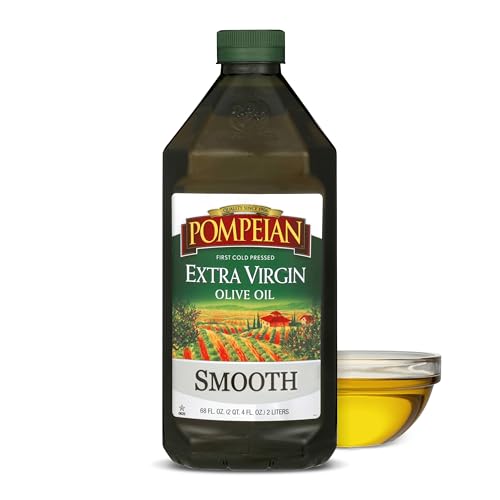
| 2 tablespoons | olive oil | for searing |
| 1 teaspoon | salt | to taste |
| 1 teaspoon | black pepper | freshly ground |
For the Chimichurri Sauce
| Amount | Ingredient | Notes |
|---|---|---|
| 1 cup | fresh parsley | finely chopped |
| 1/2 cup | olive oil | extra virgin for richness |
| 1/4 cup | red wine vinegar | adds tanginess |
| 4 cloves | garlic | minced |
| 1 teaspoon | red pepper flakes | for heat |
| 1 teaspoon | salt | to taste |
| 1 teaspoon | oregano | dried or fresh |


Preparation Methods
Searing: Searing is crucial for creating a flavorful crust on the steak. To sear properly, ensure the pan is hot enough before adding the steak, and resist the urge to move it too early. This technique locks in juices and enhances flavor.
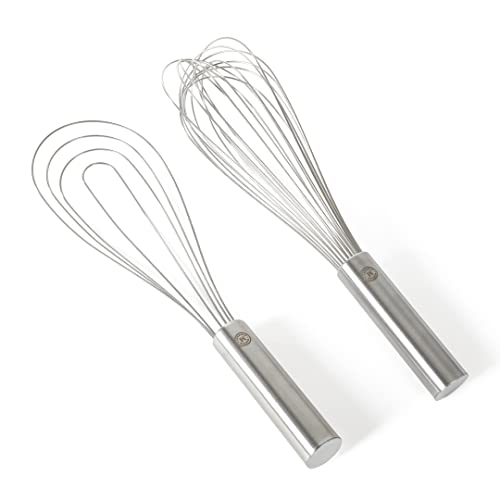
Chimichurri Preparation: Creating the perfect chimichurri involves balancing the acidity with herbs and spices. Use fresh herbs for the best flavor and finely chop them to ensure the sauce has a smooth texture.
Resting the Steak: Allowing the steak to rest after cooking is critical for juiciness. Resting lets the juices redistribute throughout the meat, making each bite tender and flavorful.


![Freshware Meal Prep Containers [50 Pack] 1 Compartment Food Storage](https://m.media-amazon.com/images/I/51r57NZnmfL._SL500_.jpg)

Step 1: Prepare the Chimichurri Sauce
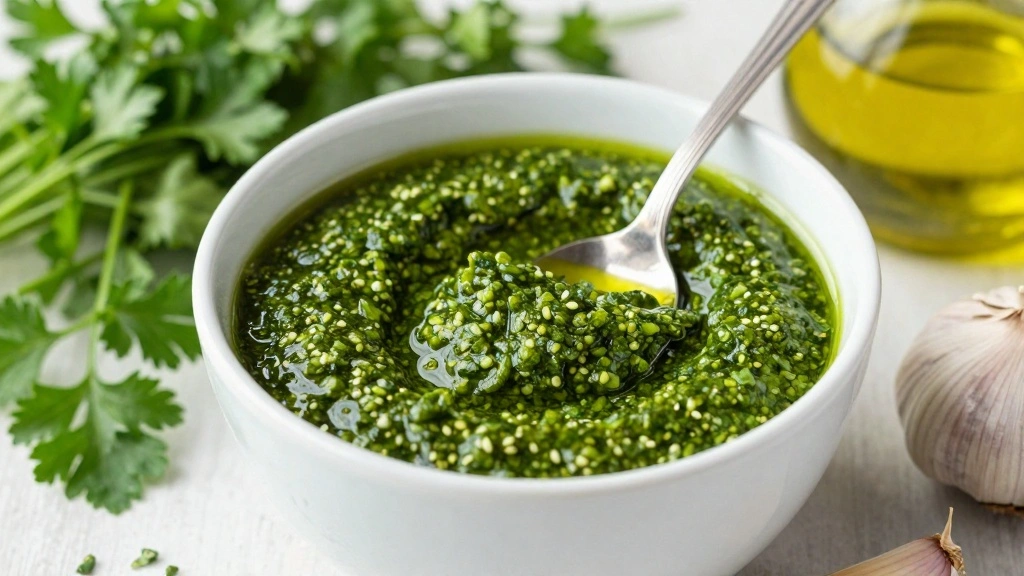
Start by finely chopping the parsley and garlic.
Mix them in a bowl with olive oil, red wine vinegar, red pepper flakes, salt, and oregano.
Stir until well combined and let the flavors meld while you prepare the steak.
The sauce should have a bright green color and a balanced, tangy taste.


Step 2: Season the Steaks
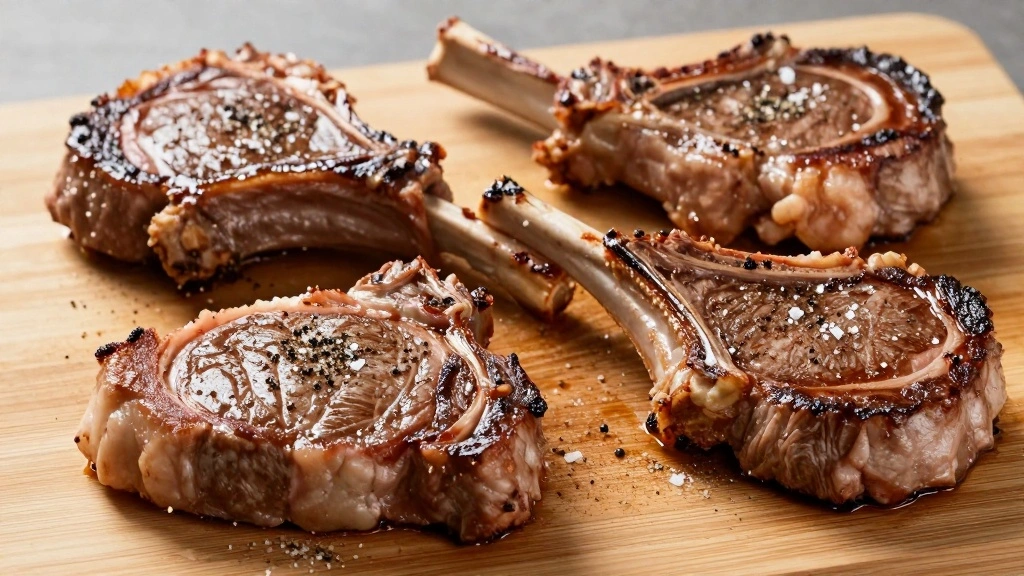
Pat the ribeye steaks dry with paper towels to remove excess moisture.
Season generously with salt and freshly ground black pepper on both sides.
Ensure the seasoning is even to enhance the steak's natural flavors.
The steaks should be at room temperature for even cooking.



Step 3: Heat the Skillet
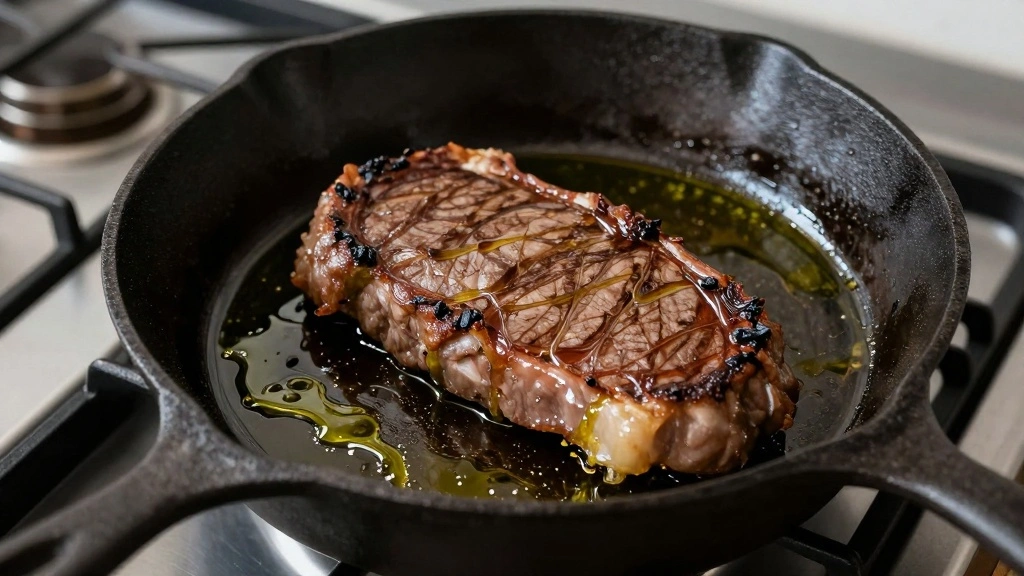
Place a cast iron skillet on high heat and let it heat up for about 5 minutes.
Add olive oil and wait until it shimmers, indicating it's hot enough.
Ensure the skillet is hot before adding the steaks to achieve a proper sear.
A slight smoke should emerge from the oil, signaling it's ready.


Step 4: Sear the Steaks
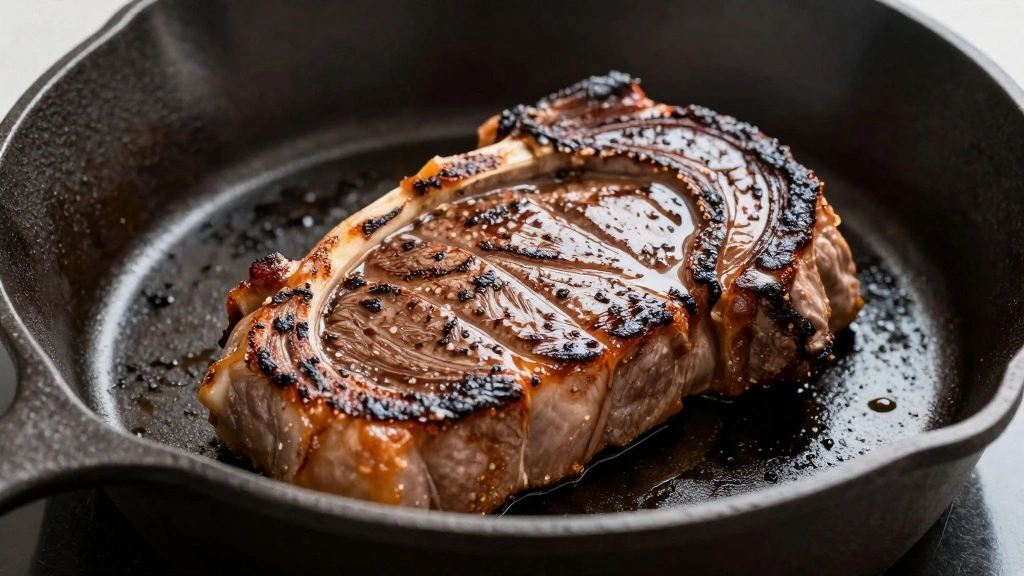
Carefully place the steaks in the hot skillet without overcrowding.
Sear for about 3-4 minutes on one side without moving them.
Flip the steaks using tongs and sear for another 3-4 minutes on the other side.
Look for a deep brown crust that indicates a perfect sear.



Step 5: Check Temperature
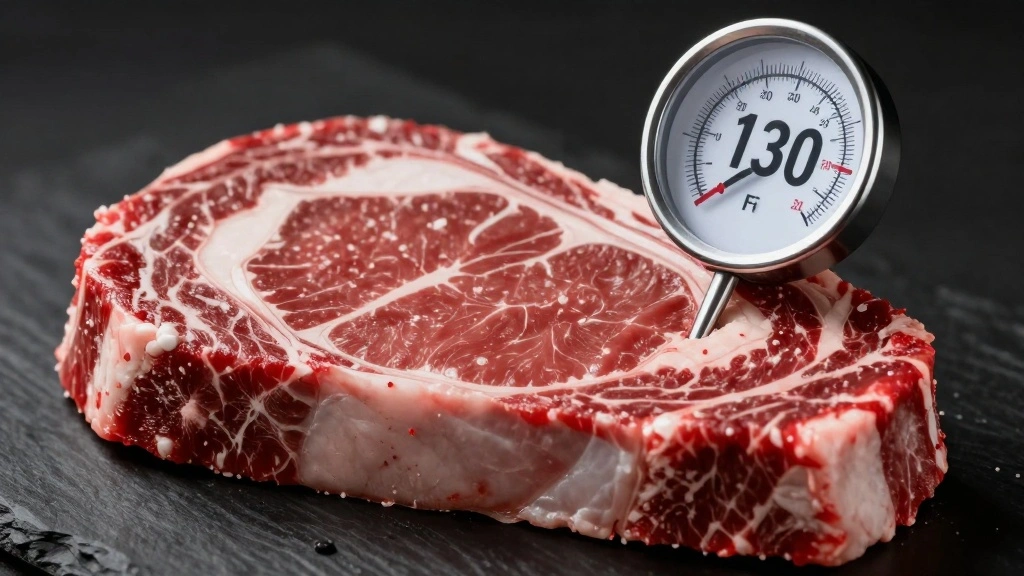
Use a meat thermometer to check the internal temperature of the steaks.
Aim for 130°F for medium-rare, adjusting cooking time as needed.
Insert the thermometer into the thickest part of the steak for accuracy.
Remove from heat once the desired temperature is reached.


Step 6: Rest the Steaks
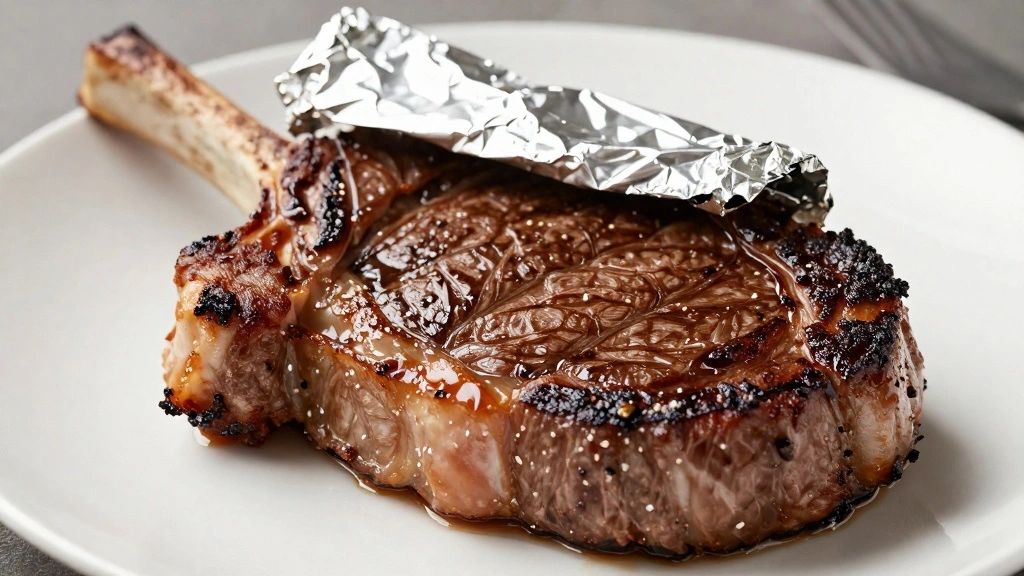
Transfer the steaks to a plate and cover loosely with foil.
Let them rest for at least 5 minutes to redistribute juices.
Resting ensures the steaks remain juicy and flavorful.
The foil should be tented to avoid steaming the crust.


Step 7: Serve with Chimichurri
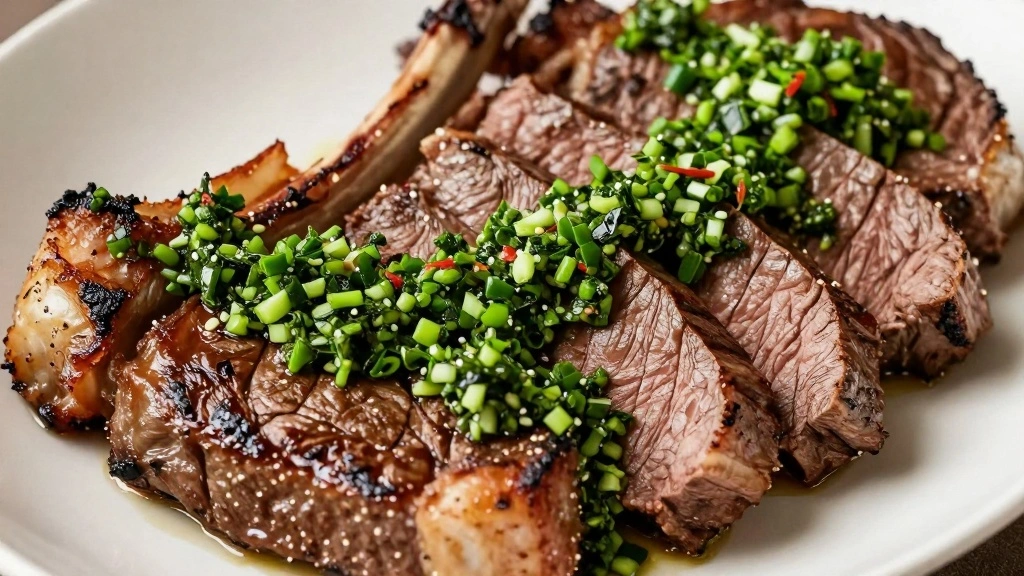
Slice the rested steaks against the grain for tender pieces.
Arrange on a serving platter and generously spoon chimichurri over the top.
Ensure each slice receives a good amount of sauce for full flavor.
Serve immediately while everything is fresh and vibrant.


Step 8: Garnish and Enjoy
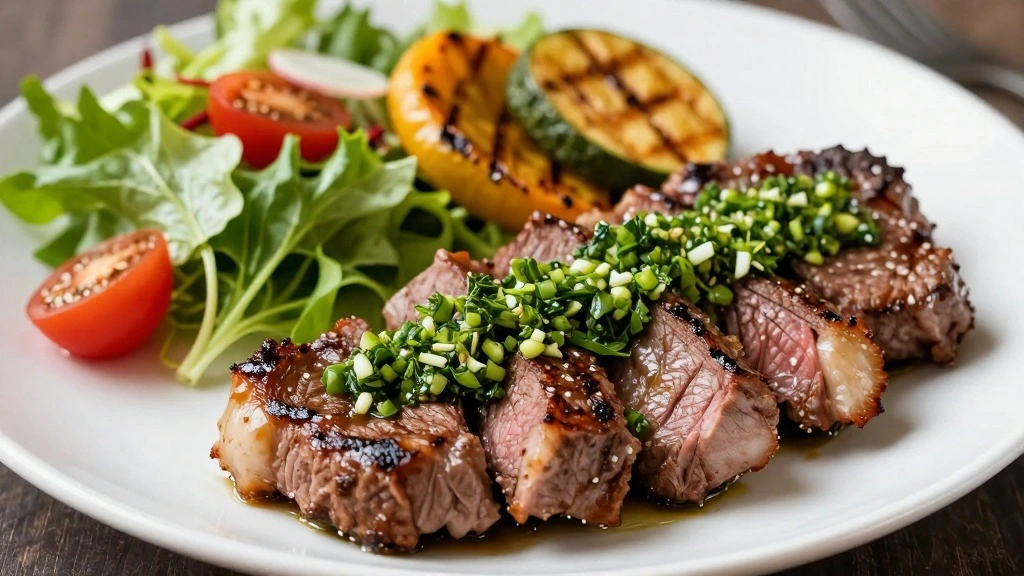
For an extra touch, garnish with additional fresh parsley.
Pair with a side of grilled vegetables or a fresh salad.
This enhances the presentation and complements the flavors.
Enjoy your perfectly cooked steak with chimichurri sauce.


Critical Timing and Temperature Guide
Searing the Steak: Aim for 3-4 minutes per side on high heat for a perfect crust. Look for a deep brown color without burning. Avoid moving the steak too soon.
Cooking to Temperature: For medium-rare, remove the steak at 130°F. Use a meat thermometer for accuracy. Avoid overcooking by checking temperature early.
Resting: Rest the steak for at least 5 minutes. Juices should redistribute, and the steak will feel slightly firmer. Avoid cutting too soon, which causes juices to escape.


Pro Tips for Steak with Chimichurri
• Ingredient Selection: Choose high-quality ribeye steaks with good marbling for the best flavor and tenderness.
• Preparation Secret: Coating the steaks with a light layer of olive oil before seasoning ensures even seasoning adherence and enhances the crust.
• Temperature Management: Allow steaks to come to room temperature before cooking for even heat distribution.
• Texture Enhancement: For a buttery-soft texture, slice the steak against the grain.
• Flavor Layering: Combine fresh herbs with a touch of acid in the chimichurri for a balanced flavor profile.
• Make-Ahead Strategies: Prepare chimichurri sauce up to 2 days in advance and store in the refrigerator.
• Restaurant-Quality Finishing Touches: Add a sprinkle of sea salt flakes over the steak just before serving for an extra burst of flavor.
• Equipment Optimization: Preheat your cast iron skillet thoroughly to ensure a perfect sear.
Troubleshooting Common Issues
• Steak Too Tough: This can be caused by overcooking or slicing with the grain. Ensure to check temperature early and slice against the grain.
• Chimichurri Too Bitter: Over-mixing can bruise herbs, leading to bitterness. Chop herbs by hand or pulse gently in a food processor.
• Uneven Sear: If the steak doesn't brown evenly, the pan might be overcrowded or not hot enough. Cook in batches if necessary and ensure the skillet is preheated.
• Dry Steak: This occurs if the steak isn't rested properly. Always allow resting time for juices to redistribute.
• Flavors Unbalanced: Adjusting the acid in the chimichurri can help. Add more olive oil or a touch of sugar if the sauce is too acidic.





Variations and Regional Differences
• Uruguayan Variation: Often includes a touch of lemon juice in the chimichurri for added brightness and sometimes uses white wine vinegar instead.
• Brazilian Style: Known as 'Churrasco com Molho Campanha,' this version uses a tomato-based fresh salsa instead of chimichurri.
• Mexican Twist: Incorporates cilantro and jalapeños in the chimichurri for a spicier, herbal flavor profile.
• Spanish Influence: Adds smoked paprika to the chimichurri for a subtle smoky flavor that complements the meat.


Food Science Behind the Recipe
• Maillard Reaction: This chemical reaction between amino acids and reducing sugars gives the steak its delicious crust and complex flavors.
• Acid-Base Balance: The chimichurri's vinegar and oil balance softens the meat's richness and adds a refreshing counterpoint.
• Protein Denaturation: Cooking the steak causes proteins to denature and coagulate, transforming texture from raw to tender.


Frequently Asked Questions
What's the most common mistake people make when preparing steak with chimichurri? The most common mistake is overcooking the steak. Use a thermometer to ensure perfect doneness.
Can I use a different cut of steak? Yes, cuts like strip steak or filet mignon can be used, but cooking times may vary.
How long can chimichurri be stored? Chimichurri can be stored in the refrigerator for up to one week in an airtight container.
Is chimichurri always green? Traditional chimichurri is green, but variations like 'chimichurri rojo' exist, which include red bell pepper and paprika.
Can chimichurri be frozen? Yes, chimichurri can be frozen in ice cube trays for up to three months.
Why is resting the steak important? Resting allows juices to redistribute, resulting in a juicier steak.
What should I serve with steak and chimichurri? Grilled vegetables, roasted potatoes, or a fresh salad pair well with the dish.
Serving and Presentation Guide
• Traditional Presentation: Serve sliced steak on a wooden board with chimichurri in a small bowl on the side for an authentic rustic look.
• Modern Plating: Plate slices in a fan shape and drizzle chimichurri artfully, garnished with microgreens.
• Family Style: Arrange slices on a large platter with a generous amount of chimichurri over the top, ideal for sharing.
• Gourmet Touch: Add a side of pickled vegetables for acidity contrast and a pop of color on the plate.


Conclusion
Now that you have all the tools and tips, it's time to bring the flavors of Argentina to your kitchen.
Steak with chimichurri is more than a dish; it's an experience that celebrates the harmony of flavors and textures.
Invite your family and friends to enjoy this culinary delight and savor the satisfaction of a meal made with love.