
Slow Cooker Recipes: Easy Meals, Less Effort!
Family-friendly dishes for busy people — quick prep, delicious results.
Grab yours for $4There is something undeniably comforting about a slow-cooked meal that fills the home with rich, inviting aromas.
Slow Cooked Lamb Shanks offer a perfect blend of tender meat and deep, savory flavors.
I first encountered this dish at a family gathering where it was the highlight of a festive table.
The succulent lamb, cooked to perfection, is a testament to the art of slow cooking.
Whether you’re an experienced cook or a novice, this recipe promises a rewarding experience.
Prepare to savor a dish that embodies warmth and tradition.
The History and Cultural Significance
• Slow Cooked Lamb traces its origins to the Middle East, where it was originally created by nomadic tribes.
• The dish evolved over decades as spices and techniques were introduced, eventually becoming the beloved version we know today.
• In Mediterranean cultures, this dish traditionally appears at weddings and family gatherings, symbolizing prosperity and unity.
• While many variations exist across different regions, the authentic version maintains a slow-cooked tenderness that sets it apart from imitations.


Recipe Overview
Nutritional Information (per serving)
Essential Equipment Guide
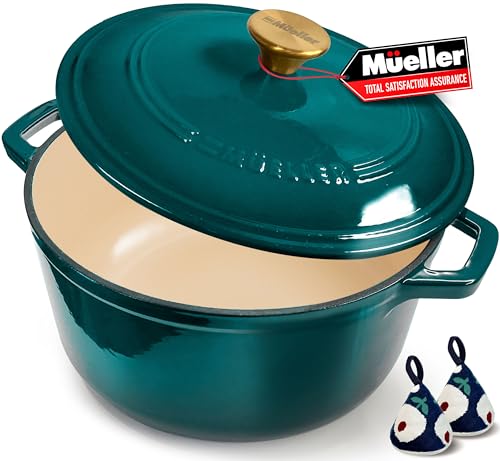
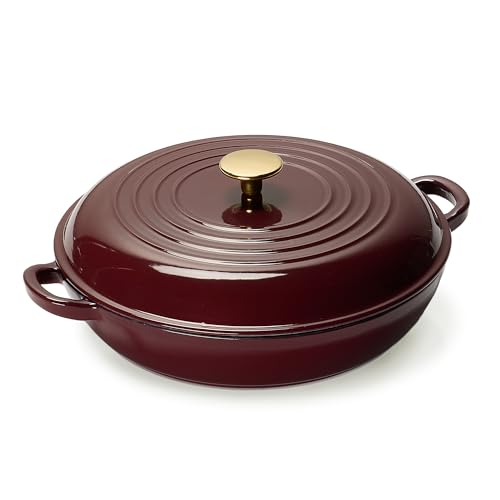
Slow Cooker: This appliance is essential for achieving the tender texture of the lamb shanks. A Dutch oven can be an alternative, but the slow cooker ensures even heat distribution and moisture retention.
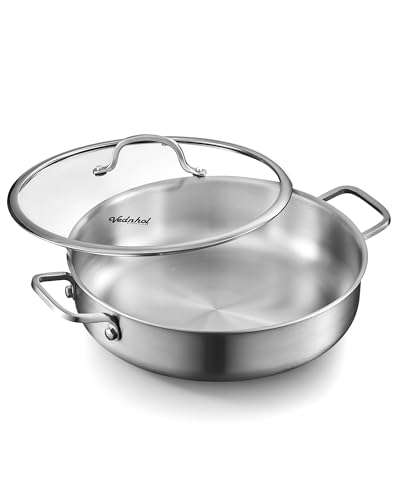
Heavy-Bottomed Skillet: Important for browning the lamb shanks and enhancing flavor through caramelization. A cast iron skillet is ideal, but any heavy-bottomed pan will work.
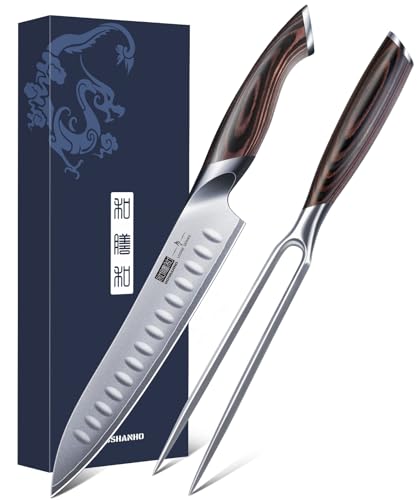
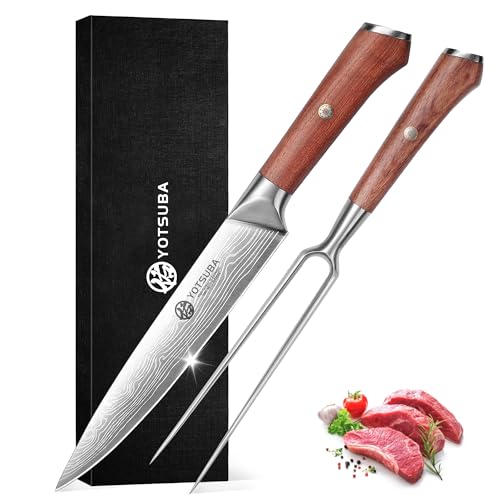
Sharp Chef’s Knife: Essential for preparing the ingredients efficiently and safely. A well-balanced knife with a comfortable grip will make the preparation process smoother.


Ingredients
For the Lamb Shanks
|
| Amount | Ingredient | Notes |
|---|---|---|
| 4 large | lamb shanks | trimmed of excess fat |
| 2 tablespoons | olive oil | for browning |
For the Sauce
| Amount | Ingredient | Notes |
|---|---|---|
| 1 cup | red wine | adds depth of flavor |
| 2 cups | beef stock | richness and body |
| 1 can | diced tomatoes | adds acidity and sweetness |
Vegetables
| Amount | Ingredient | Notes |
|---|---|---|
| 2 large | carrots | sliced |
| 1 large | onion | chopped |
| 3 cloves | garlic | minced |
Seasonings
| Amount | Ingredient | Notes |
|---|---|---|
| 2 teaspoons | salt | enhances flavor |
| 1 teaspoon | black pepper | adds warmth |
| 1 sprig | rosemary | earthy aroma |


Preparation Methods
Browning: This technique involves searing the lamb shanks in hot oil to create a caramelized crust. It enhances the flavor and adds color to the dish. Be sure to use high heat and avoid overcrowding the pan.
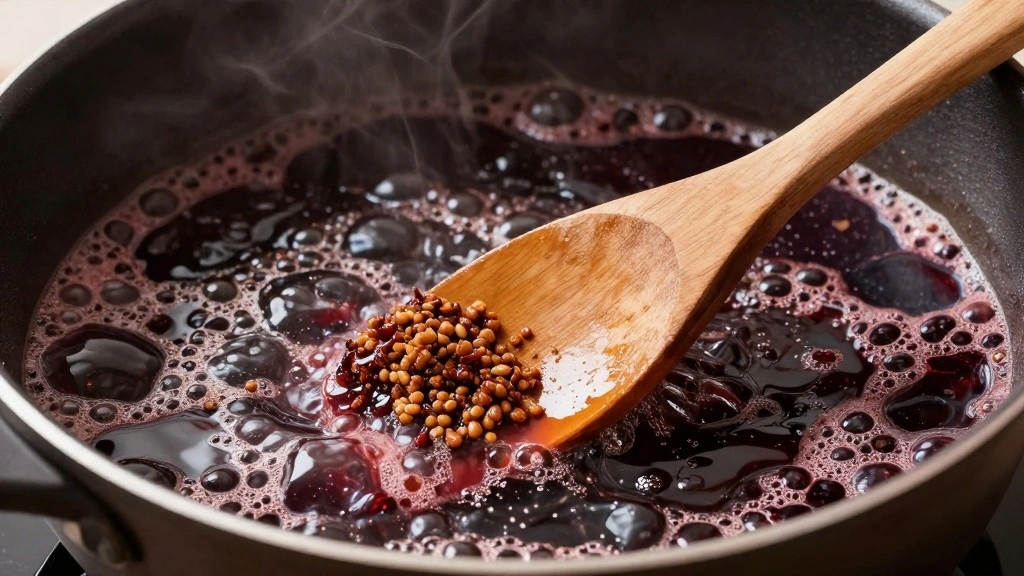
Deglazing: After browning, the pan is deglazed with red wine to lift the flavorful bits from the bottom. This step intensifies the sauce's flavor and should be done over medium heat to prevent burning.
Slow Cooking: Cooking the lamb shanks on low heat for several hours ensures tenderness. This method breaks down collagen in the meat, resulting in a melt-in-your-mouth texture.


Step 1: Prepare Ingredients
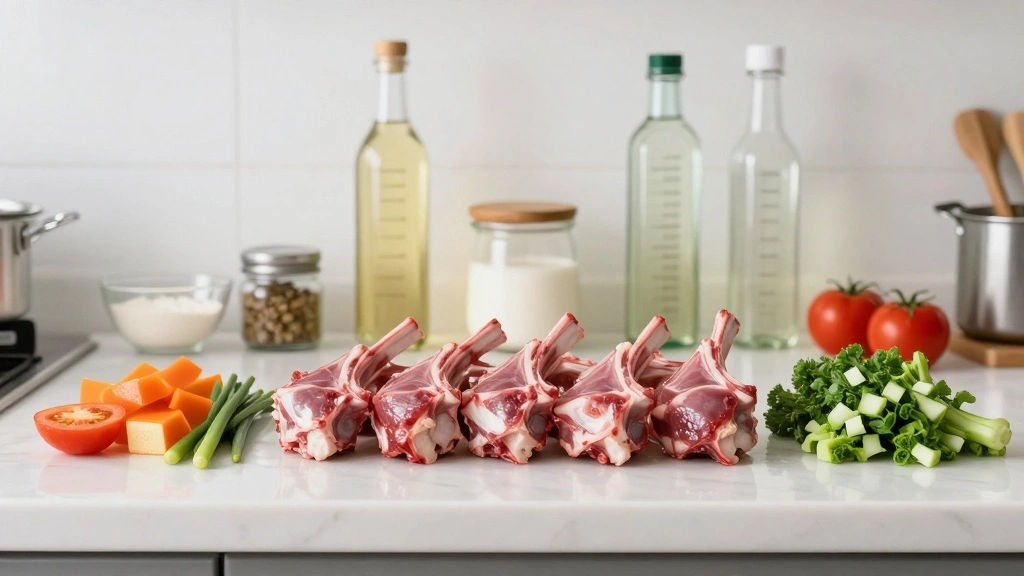
Gather all your ingredients before starting.
Trim excess fat from the lamb shanks for a cleaner presentation.
Chop the vegetables uniformly for even cooking.
Measure out the wine and stock for easy access.


![Freshware Meal Prep Containers [50 Pack] 1 Compartment Food Storage](https://m.media-amazon.com/images/I/51r57NZnmfL._SL500_.jpg)

Step 2: Brown the Lamb Shanks
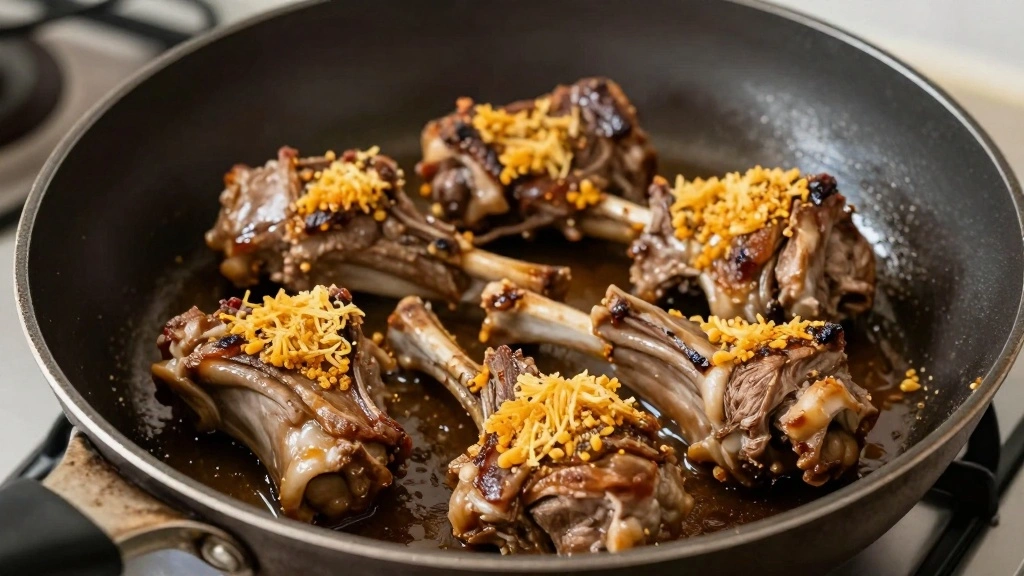
Heat olive oil in a skillet over medium-high heat.
Sear the lamb shanks on all sides until golden brown.
Work in batches to avoid overcrowding the pan.
Remove and set aside the browned shanks.




Step 3: Saute Vegetables
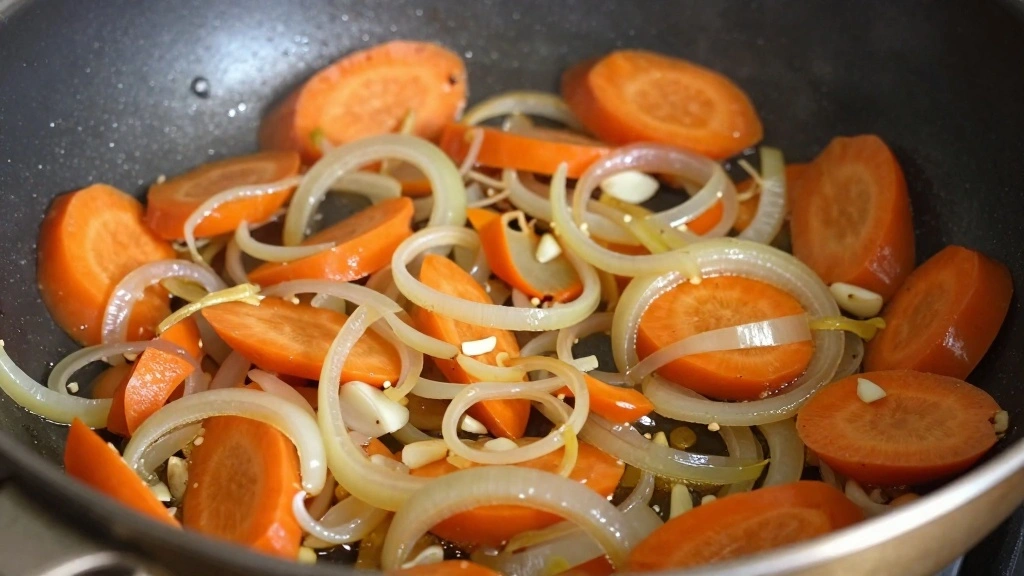
In the same skillet, add onions and carrots.
Cook until the onions are translucent and the carrots start to soften.
Stir in minced garlic and cook for another minute.
Transfer the vegetables to the slow cooker.


Step 4: Deglaze the Pan
Return the skillet to the stove over medium heat.
Pour red wine into the pan to deglaze.
Scrape up any browned bits stuck to the bottom.
Allow the wine to reduce by half.



Step 5: Combine Ingredients in Slow Cooker

Place the browned lamb shanks on top of the vegetables in the slow cooker.
Pour in the reduced wine and beef stock.
Add diced tomatoes, salt, pepper, and rosemary.
Ensure the shanks are mostly submerged in the liquid.


Step 6: Slow Cook the Lamb Shanks
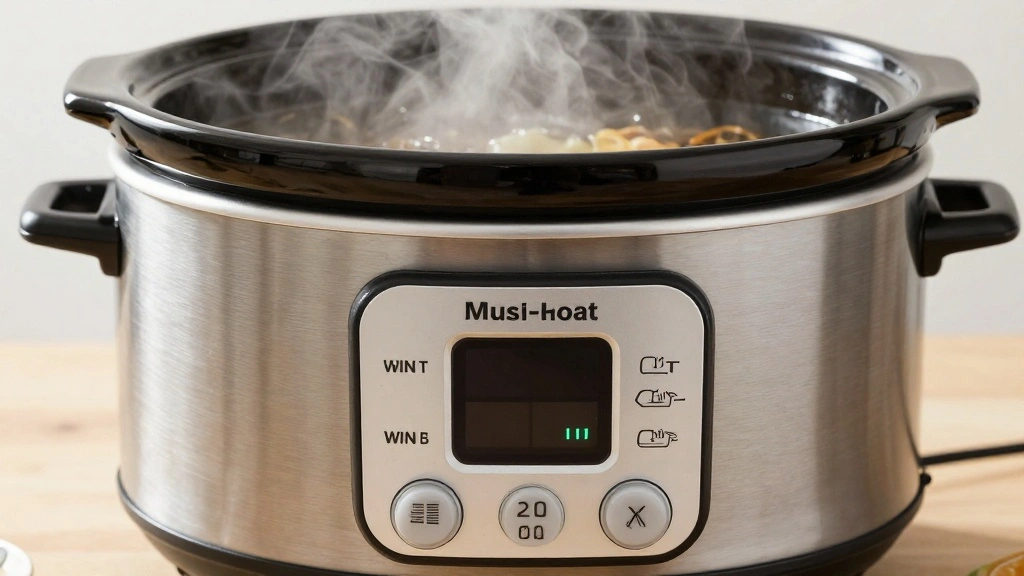
Set the slow cooker to low heat.
Cook for 6-8 hours until the lamb is tender.
Check occasionally to ensure there is enough liquid.
Add more stock if necessary to keep the shanks covered.



Step 7: Adjust Seasonings
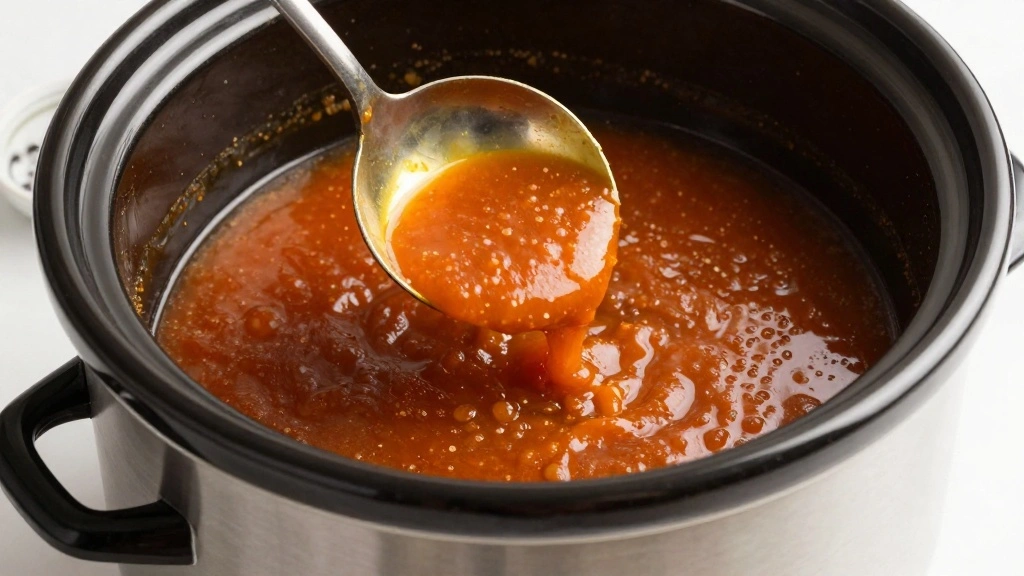
After cooking, taste the sauce for seasoning.
Adjust salt and pepper to your liking.
If the sauce is too thin, remove the lid and let it reduce for 30 minutes.
Stir occasionally to prevent sticking.


Step 8: Serve and Garnish
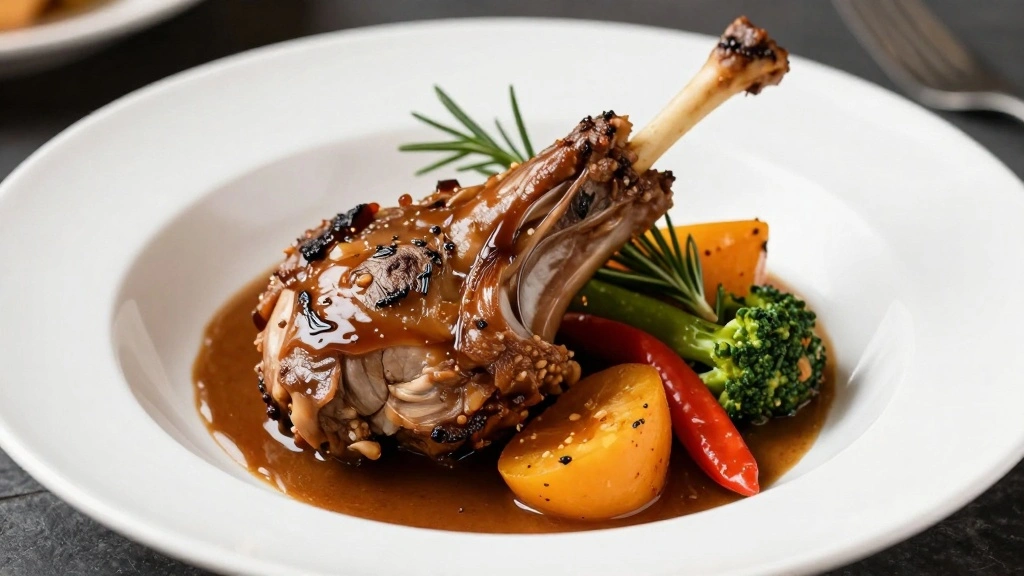
Carefully remove the lamb shanks from the slow cooker.
Place on a serving platter with vegetables.
Ladle the sauce over the shanks generously.
Garnish with fresh rosemary for added aroma.



Critical Timing and Temperature Guide
Browning the Lamb: Sear on medium-high heat for 5 minutes per side, ensuring a deep brown crust without burning.
Cooking Time: Slow cook on low heat for 6-8 hours; meat should fall off the bone easily, indicating it's done.
Sauce Reduction: If needed, reduce sauce on high heat for 30 minutes, stirring often to prevent burning.




Pro Tips for Slow Cooked Lamb
• Ingredient Selection: Choose lamb shanks with a good balance of meat and bone, as they impart more flavor to the dish.
• Preparation Secret: Browning the meat deeply enhances flavor significantly, a step often skipped by home cooks.
• Temperature Management: Always start with room temperature meat for even cooking and better texture.
• Texture Enhancement: Use slow cooking to break down connective tissue, ensuring melt-in-the-mouth results.
• Flavor Layering: Build flavor by browning meat, deglazing with wine, and using aromatic herbs like rosemary.
• Make-Ahead Strategies: Prepare the dish a day in advance to allow flavors to meld; reheat gently before serving.
• Restaurant-Quality Finishing Touches: Finish with a sprinkle of fresh parsley or rosemary for a burst of color and freshness.
• Equipment Optimization: Use a slow cooker with a timer to manage cooking duration, especially for busy days.
Troubleshooting Common Issues
• Texture Too Dense: Caused by insufficient cooking time; ensure the lamb is cooked long enough to break down connective tissues.
• Flavors Unbalanced: If too acidic, add a pinch of sugar or a splash of cream to mellow flavors.
• Sauce Too Thin: Remove lid and reduce sauce on high heat, stirring frequently.
• Lamb Overcooked: Monitor cooking time closely and remove shanks once tender; keep sauce warm separately.
• Burnt Bits in Sauce: Always deglaze thoroughly to lift all browned bits, preventing bitterness.


Variations and Regional Differences
• Moroccan Style: Incorporates dried fruits like apricots and spices such as cumin and cinnamon for a sweet and spicy profile.
• Greek Style: Uses lemon juice, oregano, and garlic, giving the dish a bright, aromatic flavor.
• Italian Style: Adds olives and capers for a briny touch, often served with polenta or creamy risotto.
• French Style: Known as 'Navarin', includes root vegetables and fresh herbs, typically served in spring.


Food Science Behind the Recipe
• Collagen Breakdown: Slow cooking converts collagen in the lamb into gelatin, creating a rich, velvety texture.
• Maillard Reaction: Browning the meat develops complex flavors through this chemical reaction, essential for depth of taste.
• Flavor Extraction: Long cooking times allow flavors from vegetables and herbs to infuse deeply into the meat and sauce.



Frequently Asked Questions
What's the most common mistake people make when preparing Slow Cooked Lamb Shanks? Not browning the lamb properly, which is crucial for developing flavor.
Can I use a different cut of meat? Yes, beef shanks or oxtails can be used but may require different cooking times.
How can I make this dish ahead of time? Prepare the dish a day before and store in the refrigerator; reheat gently before serving.
What if I don't have a slow cooker? A Dutch oven in the oven at low temperature can be a good alternative.
How do I avoid a greasy sauce? Trim excess fat from lamb shanks and skim the sauce before serving.
How can I thicken the sauce if needed? Reduce it on high heat or add a cornstarch slurry for quick thickening.
What sides pair well with this dish? Mashed potatoes, polenta, or crusty bread complement the rich flavors wonderfully.
Serving and Presentation Guide
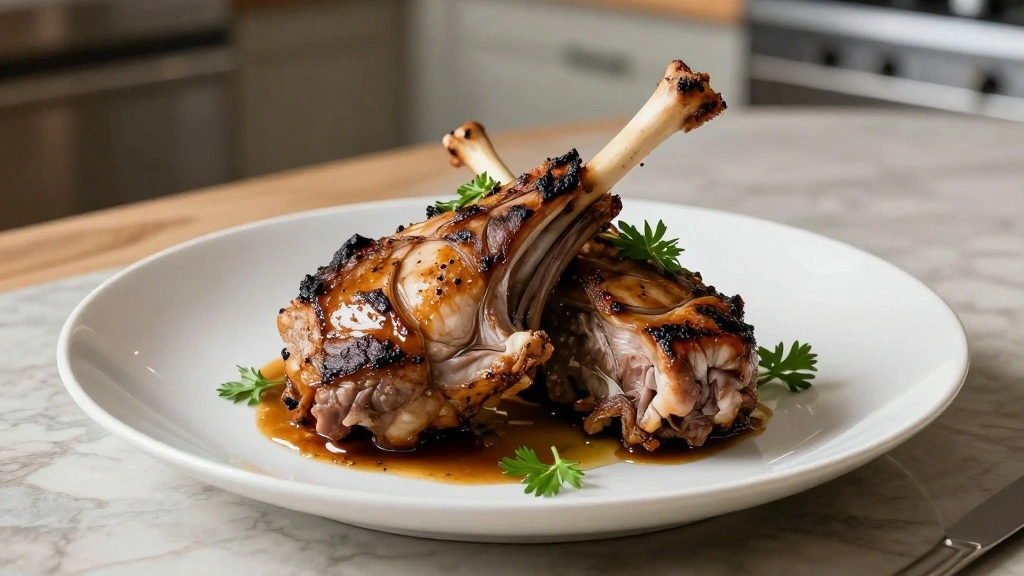
• Traditional Presentation: Serve the lamb shank whole on a plate with a generous amount of sauce and vegetables.
• Family Style: Place shanks on a large platter, surrounded by vegetables and sauce, allowing guests to serve themselves.
• Individual Portions: Plate each shank with a side of mashed potatoes or polenta for a restaurant-style presentation.
• Garnishing: Finish with a sprig of rosemary or a sprinkle of fresh parsley for color and freshness.


Conclusion
Slow Cooked Lamb Shanks offer a delightful culinary experience that is both comforting and sophisticated.
With straightforward preparation and profound flavors, this dish is sure to impress at any gathering.
Take the time to savor each step, and you'll be rewarded with a meal that embodies the essence of slow cooking.
Embark on this culinary journey and share the warmth and tradition with those you love.