
Slow Cooker Recipes: Easy Meals, Less Effort!
Family-friendly dishes for busy people — quick prep, delicious results.
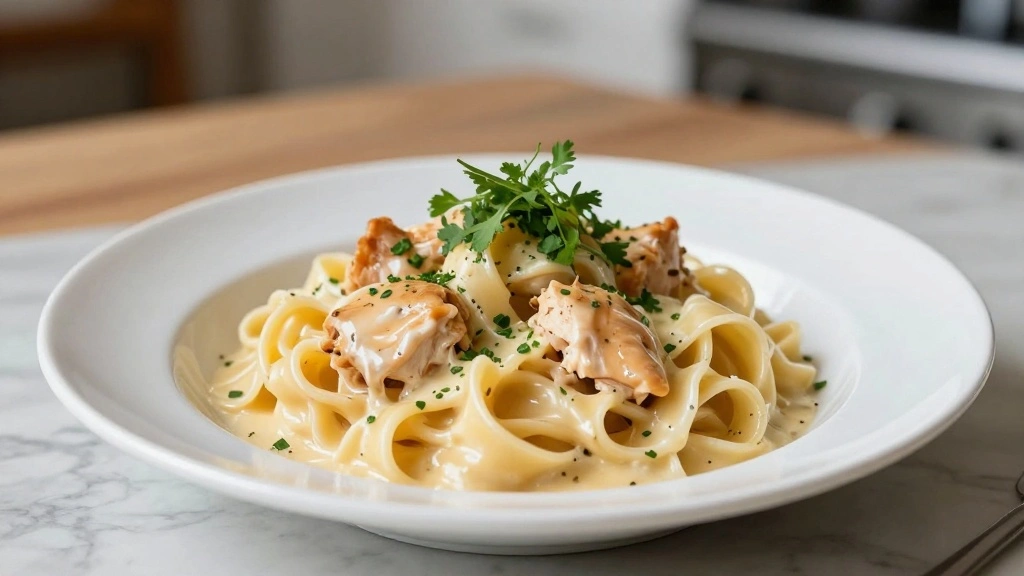
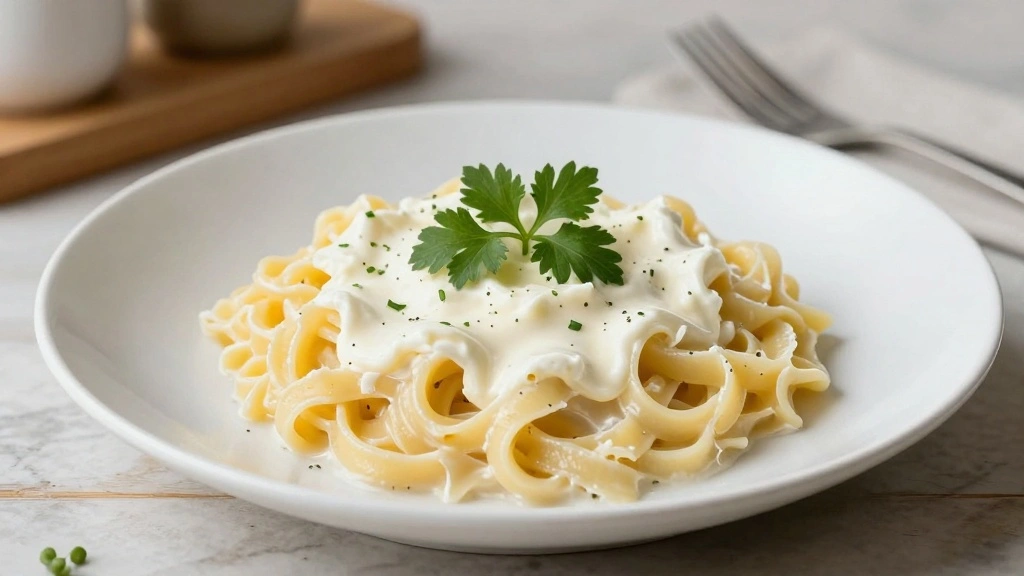
Grab yours for $4The rich, creamy texture of Alfredo sauce is an irresistible delight for pasta lovers.
Every spoonful of this Olive Garden Alfredo Sauce Copycat recipe brings a taste of indulgence without leaving your kitchen.
This dish is a nostalgic favorite, capturing the essence of a comforting, home-cooked meal.
Whether you’re a seasoned chef or a beginner, this recipe is designed to be approachable and rewarding.
Perfect for a cozy family dinner or an impressive dish for guests, it delivers a restaurant-quality experience with minimal effort.
The History and Cultural Significance
• Olive Garden Alfredo traces its origins to Rome, Italy, where it was originally created by chef Alfredo di Lelio in the early 20th century.
• The dish evolved over decades as chefs incorporated more cream and Parmesan cheese, eventually becoming the beloved version we know today.
• In Italian culture, this dish traditionally appears at family gatherings, symbolizing warmth and togetherness.
• While many variations exist across different regions, the authentic version maintains a silky smooth texture that sets it apart from imitations.


Recipe Overview
Nutritional Information (per serving)
Essential Equipment Guide
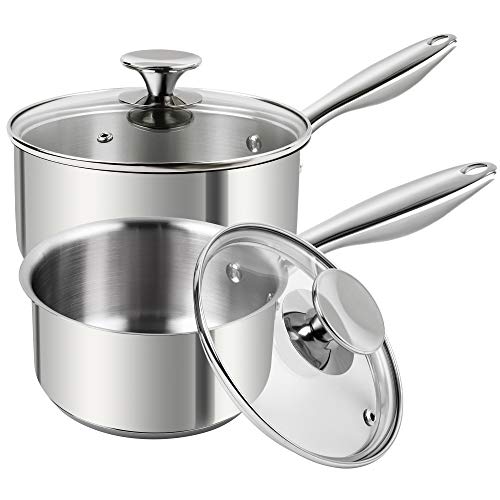
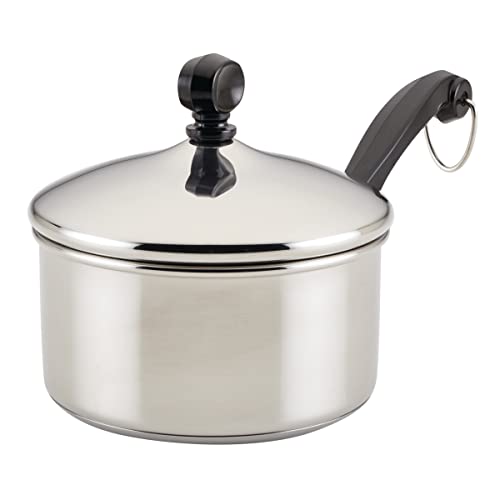
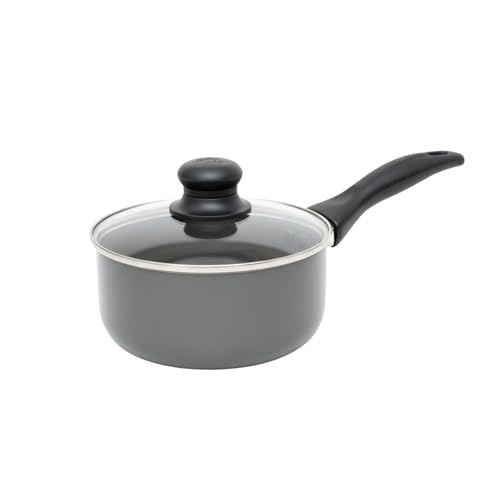
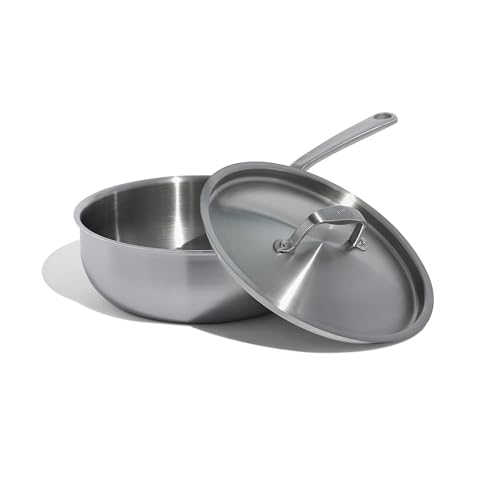
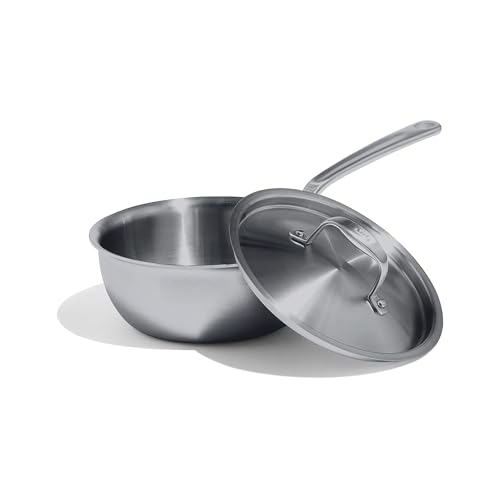
Medium Saucepan: Crucial for even heating, allowing the sauce to thicken without burning. Alternatives include a small pot with a heavy bottom for better heat distribution.
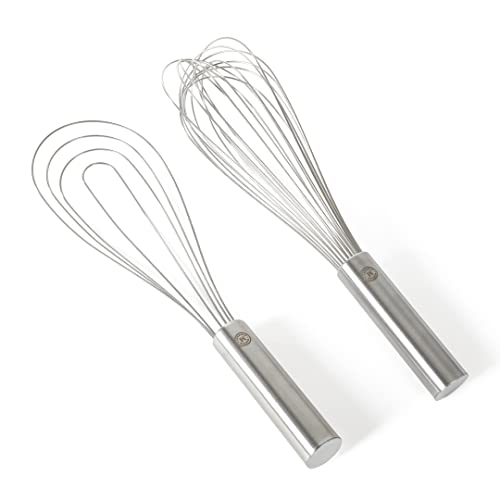
Whisk: Important for incorporating ingredients smoothly, preventing clumps. A silicone-coated whisk protects non-stick surfaces.
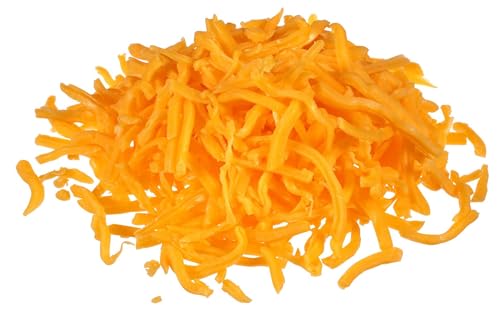
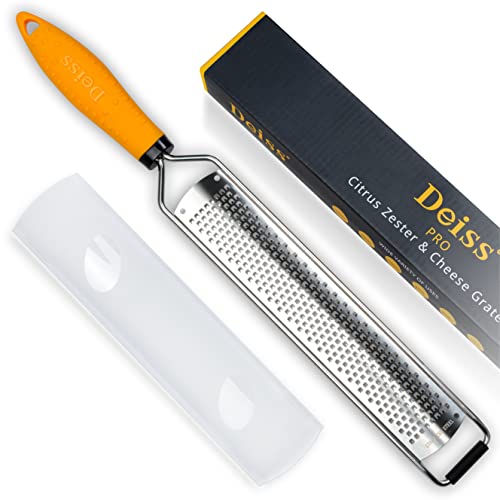
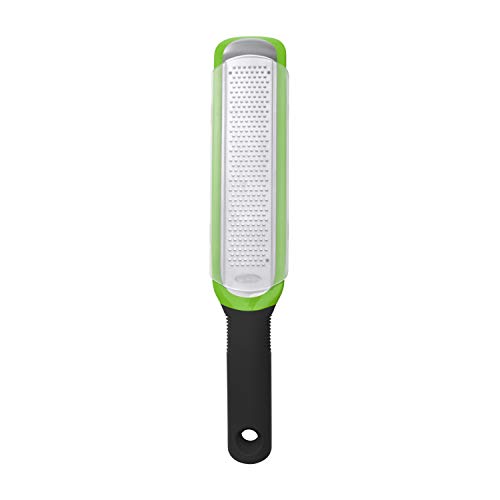
Microplane Grater: Essential for finely grating Parmesan cheese, which ensures it melts evenly into the sauce. Look for a sturdy, sharp grater for best results.



Ingredients
For the Sauce
|
| Amount | Ingredient | Notes |
|---|---|---|
| 1/2 cup | butter | adds richness and smoothness |
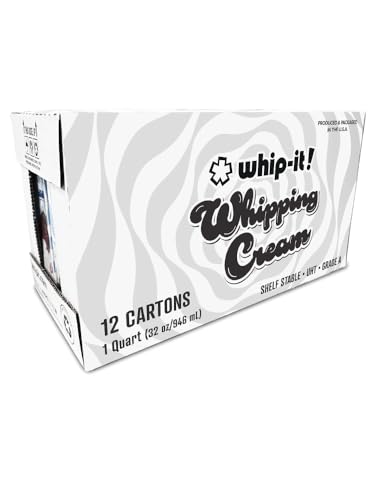
| 1 cup | heavy cream | creates a creamy base |
| 1 cup | Parmesan cheese | finely grated, adds flavor |
| 1/4 teaspoon | salt | enhances overall taste |
| 1/4 teaspoon | black pepper | adds a subtle kick |





Preparation Methods
Simmering: This technique involves cooking the sauce over low heat to thicken it gradually, which prevents burning and allows flavors to meld. Stir constantly to achieve the best texture.
Whisking: Continuously whisking helps incorporate the cheese into the cream smoothly. It prevents clumping and ensures a silky sauce.
Grating: Finely grating cheese is vital for it to melt properly. A microplane grater produces the best results, allowing the cheese to integrate seamlessly.

![Freshware Meal Prep Containers [50 Pack] 1 Compartment Food Storage](https://m.media-amazon.com/images/I/51r57NZnmfL._SL500_.jpg)


Step 1: Prepare Ingredients
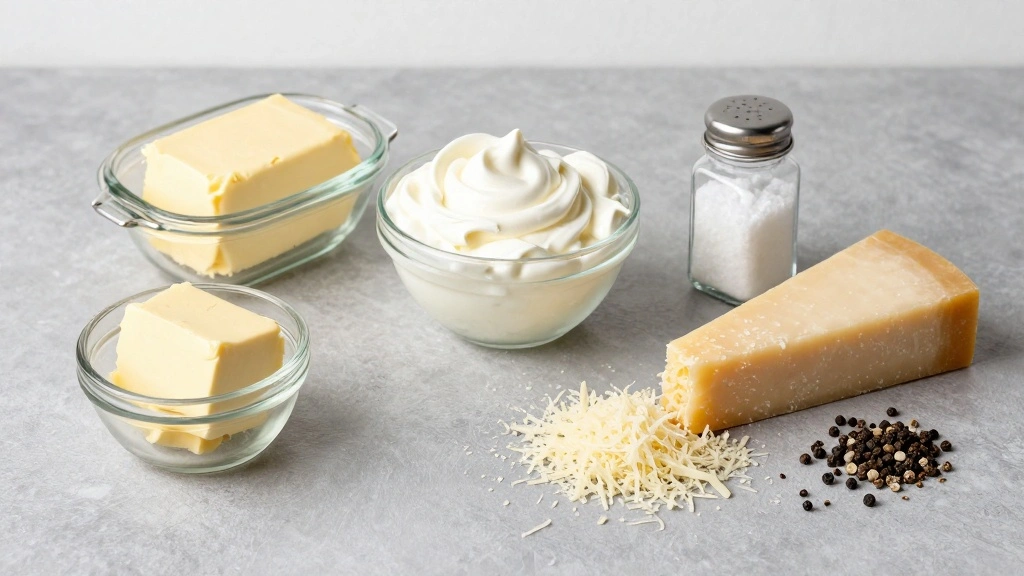
Gather all ingredients and equipment.
Ensure the butter is at room temperature for easy melting.
Finely grate the Parmesan cheese using a microplane grater.
Organize ingredients for a smooth cooking process.


Step 2: Melt Butter

Place a medium saucepan over medium heat.
Add butter to the saucepan and let it melt slowly.
Stir occasionally to prevent burning.
Once melted, reduce heat to low.


Step 3: Add Heavy Cream
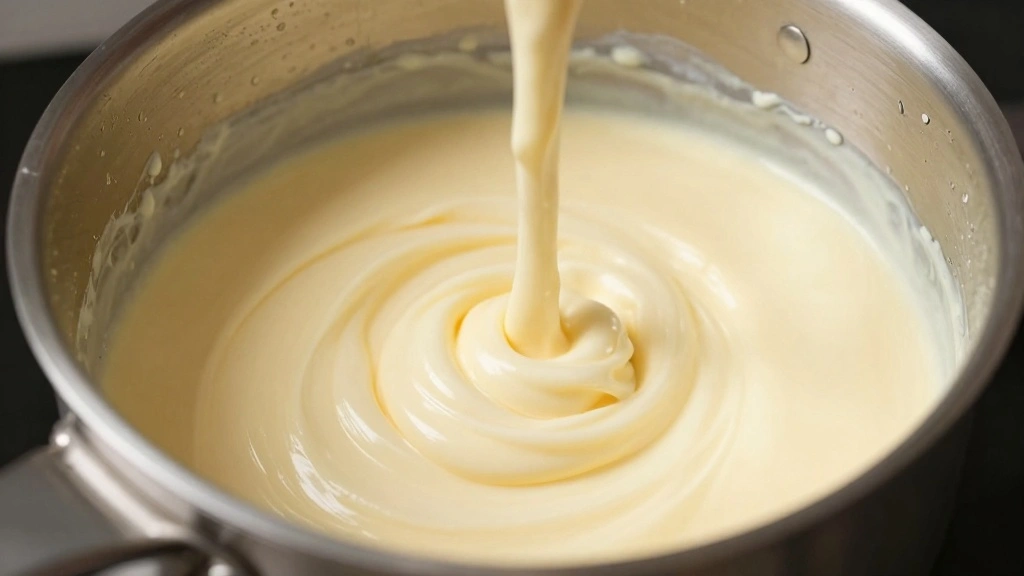
Pour the heavy cream into the melted butter.
Stir gently to combine the ingredients.
Ensure the mixture is smooth and uniform.
Continue heating on low to medium heat.




Step 4: Simmer the Sauce
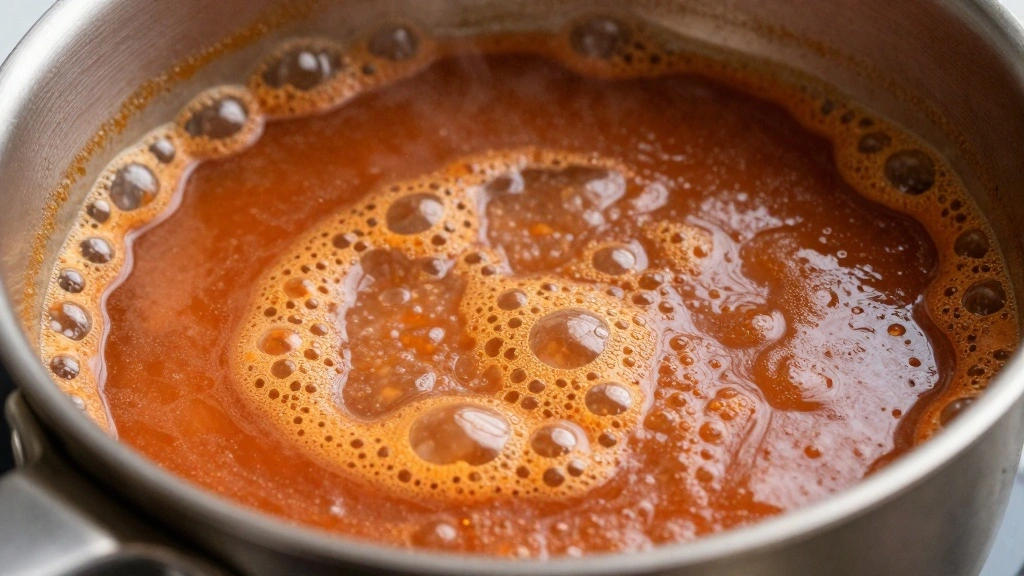
Allow the mixture to come to a gentle simmer.
Do not let it boil as this can separate the cream.
Stir continuously to maintain a smooth texture.
Simmer for about 5 minutes until slightly thickened.


Step 5: Incorporate Parmesan Cheese
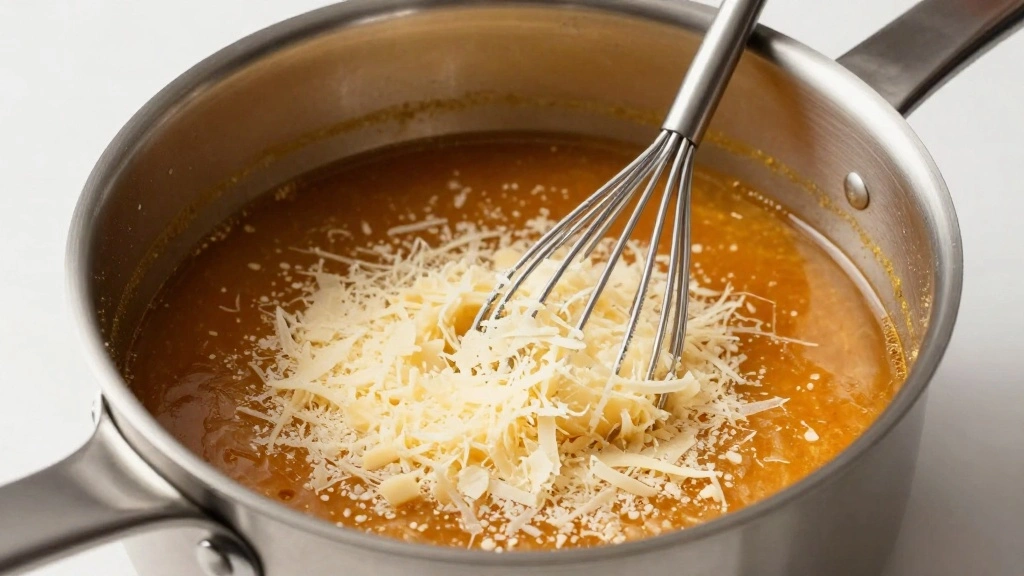
Gradually add the grated Parmesan cheese to the sauce.
Whisk constantly to ensure it melts evenly.
Avoid adding all the cheese at once to prevent clumping.
Continue whisking until the sauce is smooth and creamy.



Step 6: Season the Sauce
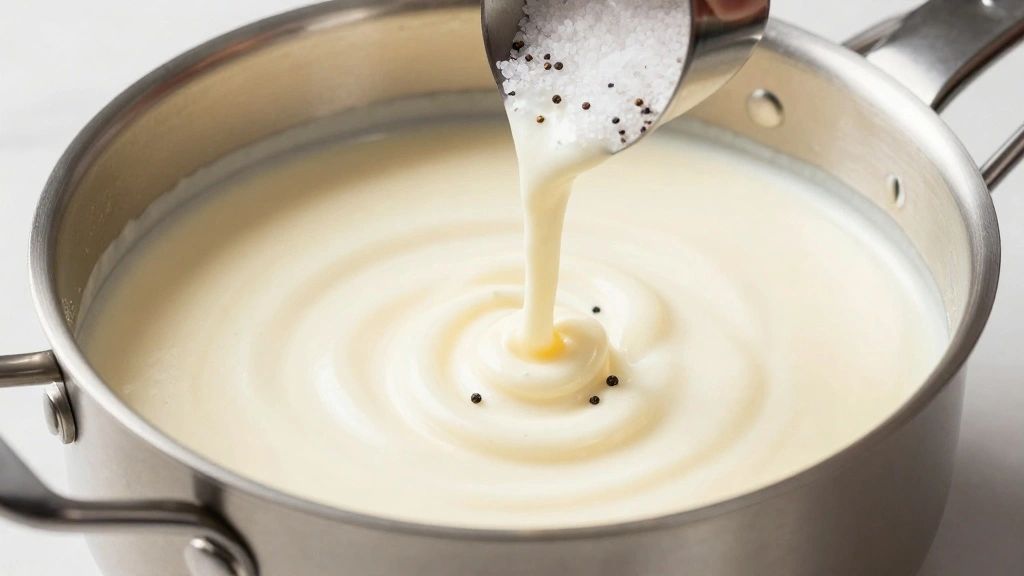
Add salt and black pepper to the sauce.
Stir to distribute the seasoning evenly.
Taste and adjust seasoning if necessary.
Ensure the flavors are well balanced.


Step 7: Final Simmer
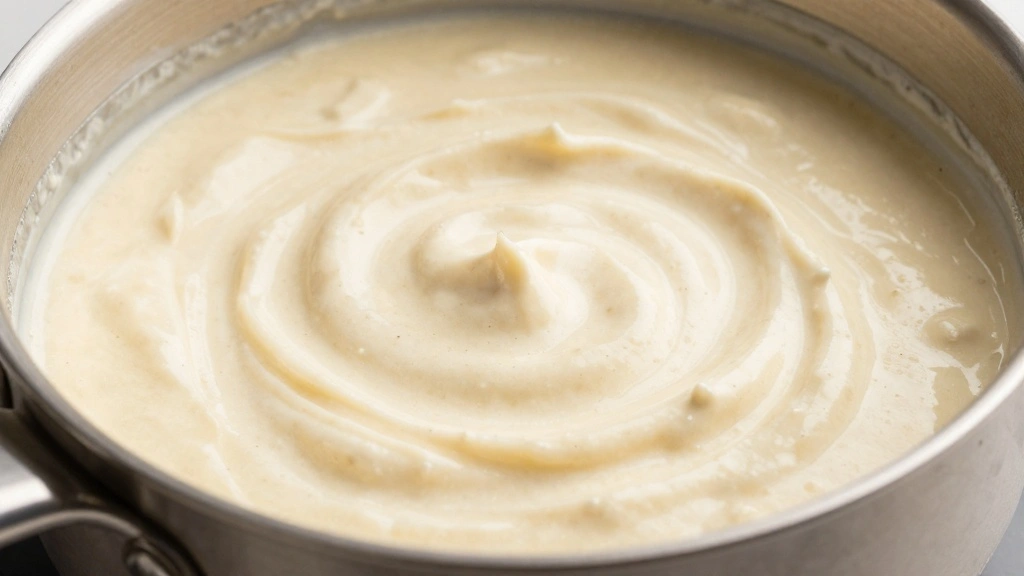
Allow the sauce to simmer for an additional 2-3 minutes.
This step helps thicken the sauce to the perfect consistency.
Keep stirring to prevent sticking to the pan.
Look for a velvety texture as an indicator of doneness.


Step 8: Serve and Enjoy
Remove the sauce from heat once it reaches desired consistency.
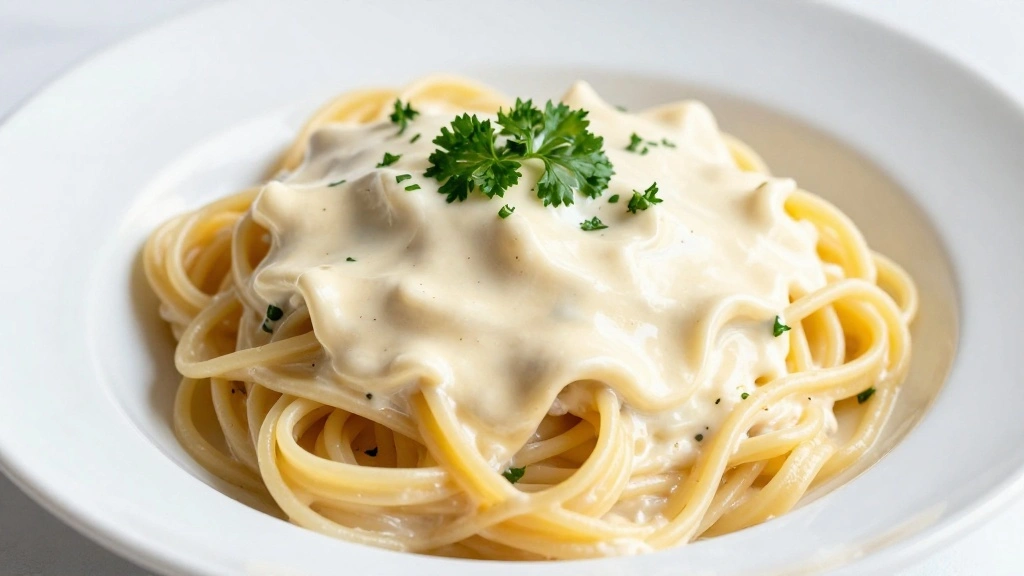
Pour over cooked pasta or use as needed.
Garnish with fresh parsley or additional Parmesan if desired.
Serve immediately for the best taste and texture.




Critical Timing and Temperature Guide
Melting Butter: Keep heat at medium to prevent burning. Butter should be fully melted and slightly foamy before adding cream.
Simmering Sauce: Maintain low to medium heat. Look for gentle bubbles, not boiling, to ensure the cream doesn't separate.
Cheese Integration: Add cheese gradually at a low temperature to prevent clumping. The sauce should be smooth and creamy.





Pro Tips for Olive Garden Alfredo
• Ingredient Selection: Use freshly grated Parmesan for the best flavor and texture, as pre-grated cheese often contains anti-caking agents.
• Preparation Secret: Whisking constantly while adding cheese prevents clumping and ensures a smooth sauce.
• Temperature Management: Keep the heat low during simmering to preserve the cream's consistency.
• Texture Enhancement: Sift the Parmesan cheese to remove larger particles that might not melt well.
• Flavor Layering: A pinch of nutmeg enhances the sauce's richness without overpowering.
• Make-Ahead Strategies: Prepare the sauce up to a day in advance, storing in an airtight container and reheating gently over low heat.
• Restaurant-Quality Finishing Touches: A drizzle of truffle oil before serving adds a luxurious aroma.
• Equipment Optimization: Use a heavy-bottomed saucepan to distribute heat evenly, reducing the risk of burning.
Troubleshooting Common Issues
• Grainy Texture: Caused by cheese added too quickly or at too high a temperature. Gradually add cheese while whisking over low heat.
• Flavor Too Mild: May result from insufficient seasoning. Adjust salt and pepper to taste before final simmering.
• Sauce Separation: Occurs from overheating. Maintain a low simmer and stir frequently.
• Too Thick: Add a splash of milk or cream to thin the sauce to desired consistency.
• Clumpy Cheese: Use freshly grated Parmesan and incorporate slowly to prevent clumping.


Variations and Regional Differences
• Roman Style: Uses only butter and Parmesan cheese, omitting cream for a lighter version. Emphasizes the original simplicity of the dish.
• American Style: Incorporates garlic and cream for a rich, flavorful sauce, often seen in restaurants.
• Seafood Alfredo: Includes shrimp or scallops for a luxurious twist, popular in coastal regions.
• Vegetarian Alfredo: Adds vegetables like spinach or broccoli, offering a balanced meal with added nutrients.


Food Science Behind the Recipe
• Emulsification: The process of combining fats (butter, cream) with proteins (cheese) to create a smooth sauce, preventing separation.
• Maillard Reaction: While not prominent in this recipe, gentle heating helps infuse flavors without browning, maintaining the sauce's creamy color.
• Heat Management: Controlling temperature prevents cream from boiling, which can cause the sauce to curdle and separate.


Frequently Asked Questions
What's the most common mistake people make when preparing Alfredo sauce? Overheating during cheese integration, causing separation.
Can I use milk instead of cream? Yes, but the sauce will be less rich and may require thickening agents.
How do I store leftover Alfredo sauce? Store in an airtight container in the fridge for up to two days, reheating gently.
Can I freeze Alfredo sauce? Freezing is possible but may change texture; reheat gently to restore smoothness.
How can I make a lighter version? Use half-and-half instead of cream and reduce butter.
Why is my sauce not creamy? Insufficient whisking or low-quality cheese can affect texture.
Is it necessary to use fresh Parmesan? Yes, for the best melting properties and flavor.
Serving and Presentation Guide
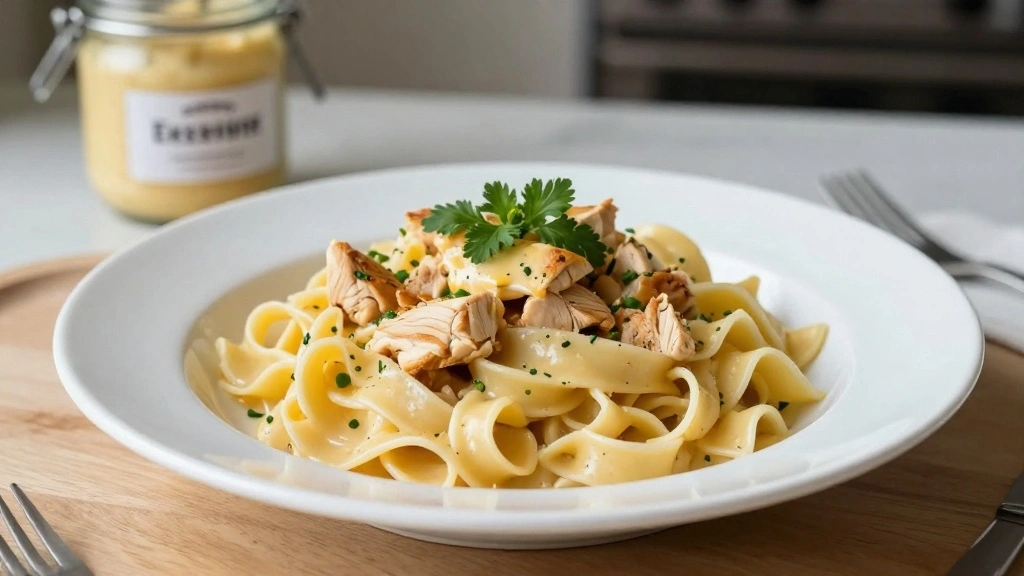
• Traditional Presentation: Serve over fettuccine pasta, topped with freshly grated Parmesan and a sprinkle of parsley.
• Modern Twist: Plate with a drizzle of truffle oil and garnish with microgreens for added elegance.
• Family Style: Serve in a large bowl, allowing guests to serve themselves, creating a communal dining experience.
• Gourmet Style: Pair with a side of garlic bread and a crisp Caesar salad for a complete meal.


Conclusion
This Olive Garden Alfredo Sauce Copycat recipe captures the essence of a beloved classic.
With its rich, creamy texture and simple preparation, it's a guaranteed crowd-pleaser.
Give it a try and transform your home kitchen into a haven for Italian cuisine lovers.