
Slow Cooker Recipes: Easy Meals, Less Effort!
Family-friendly dishes for busy people — quick prep, delicious results.
Grab yours for $4This classic leg of lamb marinade brings together centuries of culinary tradition with modern techniques to create a dish that’s both comforting and elegant.
The harmonious balance of garlic, herbs, and citrus creates a memorable dining experience that will have everyone asking for your secret.
I discovered this recipe during my travels through the Mediterranean, where local chefs have perfected it through generations of careful refinement.
Whether you’re preparing a casual family dinner or hosting a special celebration, this leg of lamb marinade delivers impressive results with straightforward preparation.
The History and Cultural Significance
• Leg of Lamb traces its origins to the Mediterranean region, where it was originally created by shepherd communities as a staple protein source.
• The dish evolved over decades as herbs and spices from trade routes were incorporated, eventually becoming the beloved version we know today.
• In many Mediterranean cultures, this dish traditionally appears at Easter celebrations, symbolizing renewal and prosperity.
• While many variations exist across different regions, the authentic version maintains the use of fresh herbs and citrus that sets it apart from imitations.


![[Pack of 3] New Zealand Boneless Lamb Leg – Grass-Fed](https://m.media-amazon.com/images/I/51q0QOHK6tL._SL500_.jpg)


![[Pack of 6] Boneless Leg of Lamb – Halal Certified,](https://m.media-amazon.com/images/I/51XeuyNmnRL._SL500_.jpg)
Recipe Overview
Nutritional Information (per serving)
Essential Equipment Guide
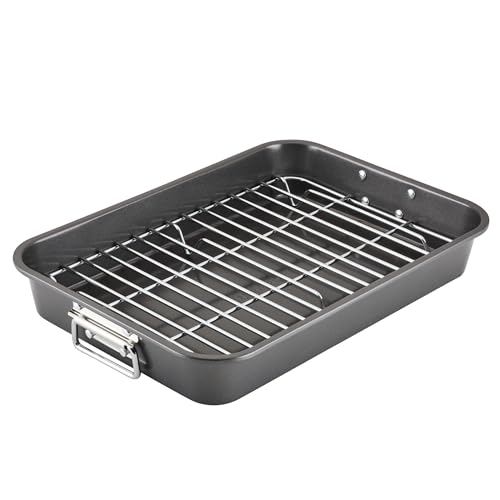
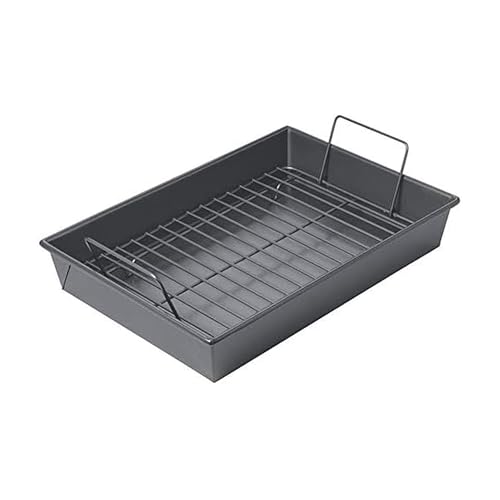
Roasting Pan: A sturdy roasting pan is important for achieving an evenly cooked leg of lamb. Look for one with a rack to allow air circulation and even heat distribution.
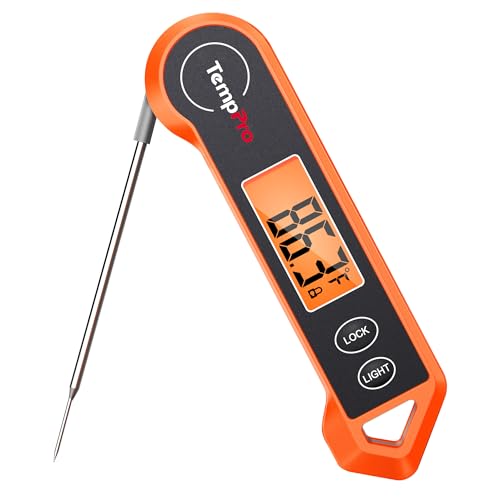
Meat Thermometer: This tool is crucial for ensuring your lamb is cooked to perfection. Instant-read thermometers are ideal for quick checks.
Blender or Food Processor: Using a blender or food processor helps to fully blend the marinade ingredients, ensuring a smooth consistency that coats the lamb evenly.


Ingredients
For the Marinade
|
| Amount | Ingredient | Notes |
|---|---|---|
| 1 cup | olive oil | adds richness and helps bind the marinade |
| 6 cloves | garlic | minced, provides aromatic depth |
| 2 tablespoons | fresh rosemary | finely chopped, for herbal notes |
| 2 tablespoons | fresh thyme | leaves, for a woody flavor |
| 1 tablespoon | lemon zest | for a citrusy brightness |
| 1 teaspoon | black pepper | freshly ground, for spice |
| 1 teaspoon | kosher salt | enhances flavors |
| 1 cup | white wine | for acidity and moisture |


Preparation Methods
Marination: Marination involves coating the meat with a seasoned liquid to enhance flavor and tenderness. It's essential for this dish as it infuses the lamb with herbs and spices.
Scoring: Scoring the meat helps the marinade penetrate deeper, allowing for more even seasoning. Use a sharp knife to gently slice the surface of the lamb.
Resting: Resting the meat after cooking allows juices to redistribute, resulting in a juicier and more flavorful dish. This step is crucial for the final texture.


Step 1: Prepare Ingredients
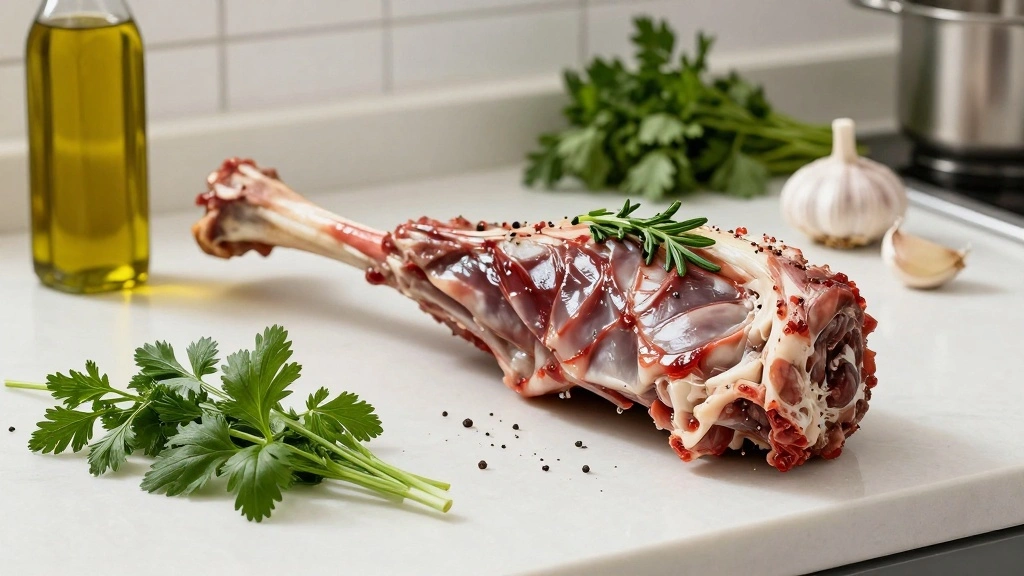
Gather all your ingredients and tools.
Ensure the lamb is at room temperature before starting.
Wash and dry the fresh herbs thoroughly.
Set aside the olive oil and wine for the marinade.


Step 2: Score the Lamb
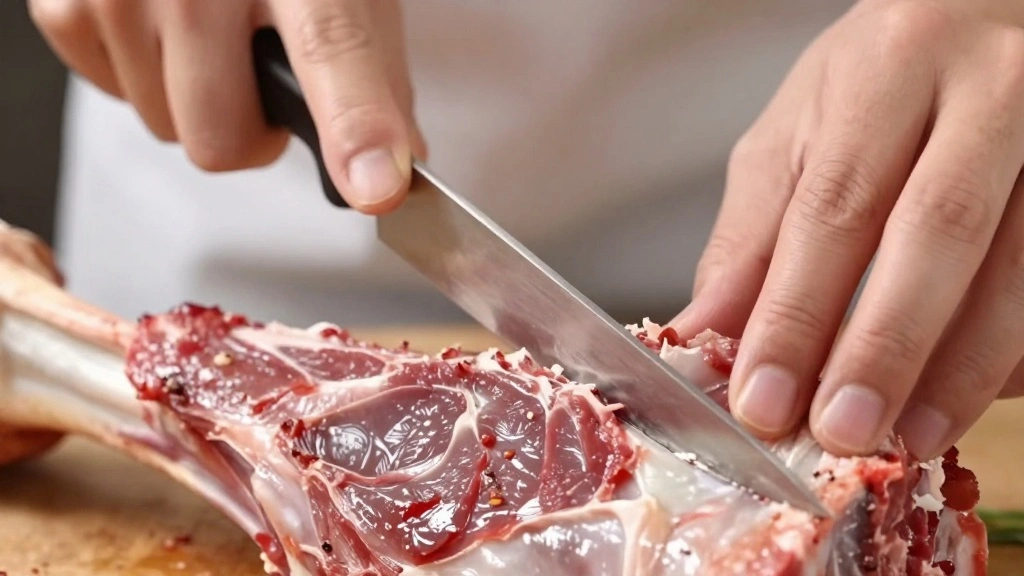
Using a sharp knife, gently score the surface of the lamb.
Make shallow cuts about 1/4 inch deep.
This helps the marinade penetrate.
Be careful not to cut too deep into the meat.



Step 3: Make the Marinade
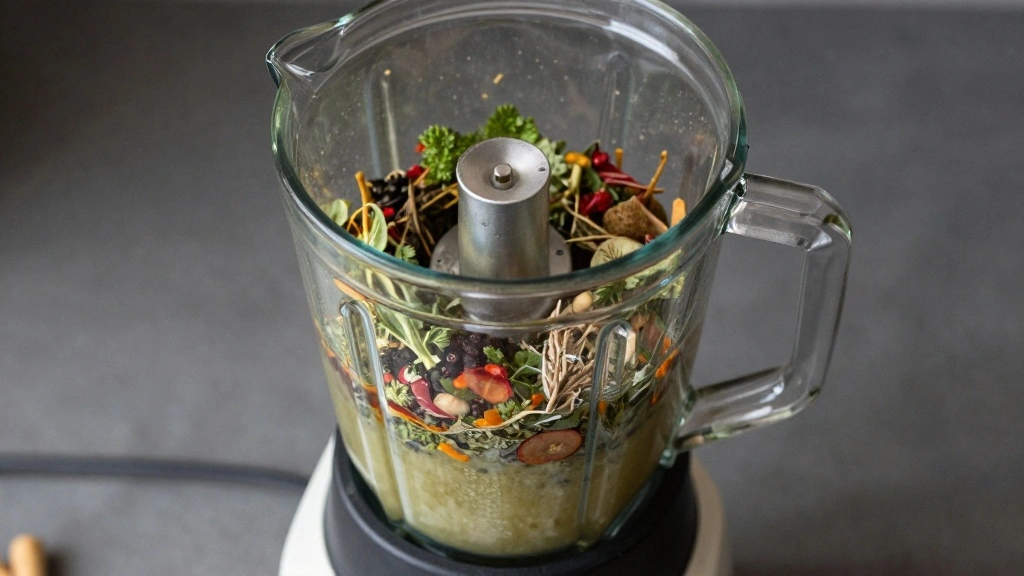
Combine olive oil, garlic, rosemary, thyme, lemon zest, pepper, salt, and wine in a blender.
Blend until smooth.
The consistency should be thick enough to coat the lamb.
Adjust seasoning as needed.




Step 4: Apply the Marinade
Place the lamb in a large dish.
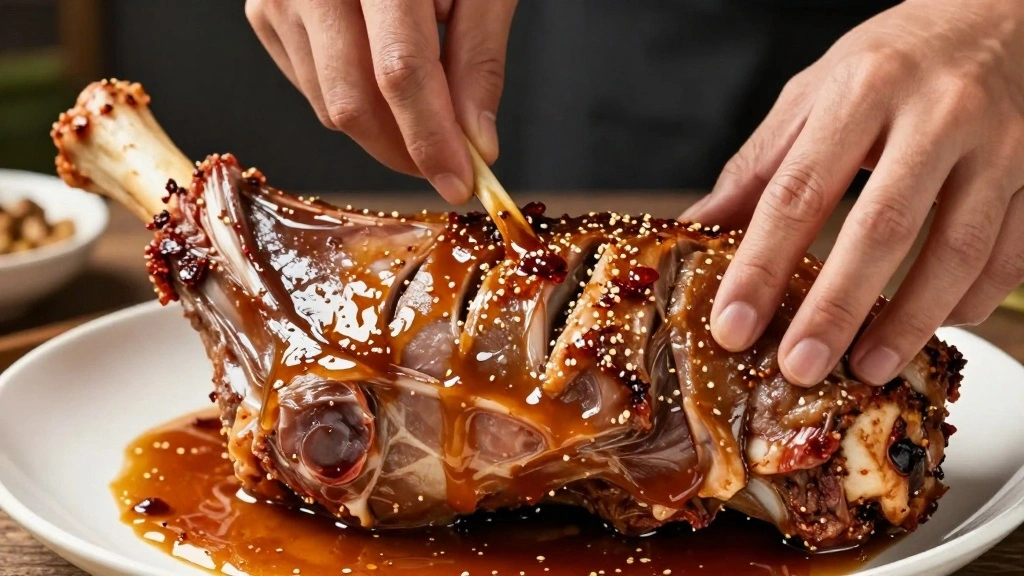
Pour the marinade over the lamb, ensuring even coverage.
Use your hands to massage the marinade into the meat.
Cover and refrigerate for at least 4 hours or overnight.



Step 5: Preheat the Oven
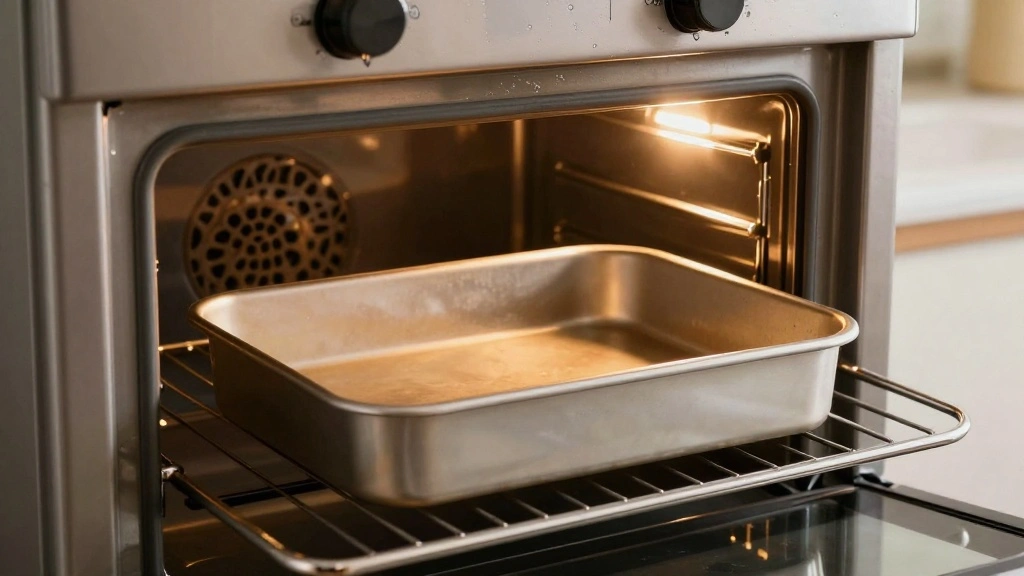
Remove the lamb from the refrigerator to bring it to room temperature.
Preheat your oven to 375°F (190°C).
This ensures the lamb cooks evenly.
Prepare your roasting pan with a rack.




Step 6: Roast the Lamb
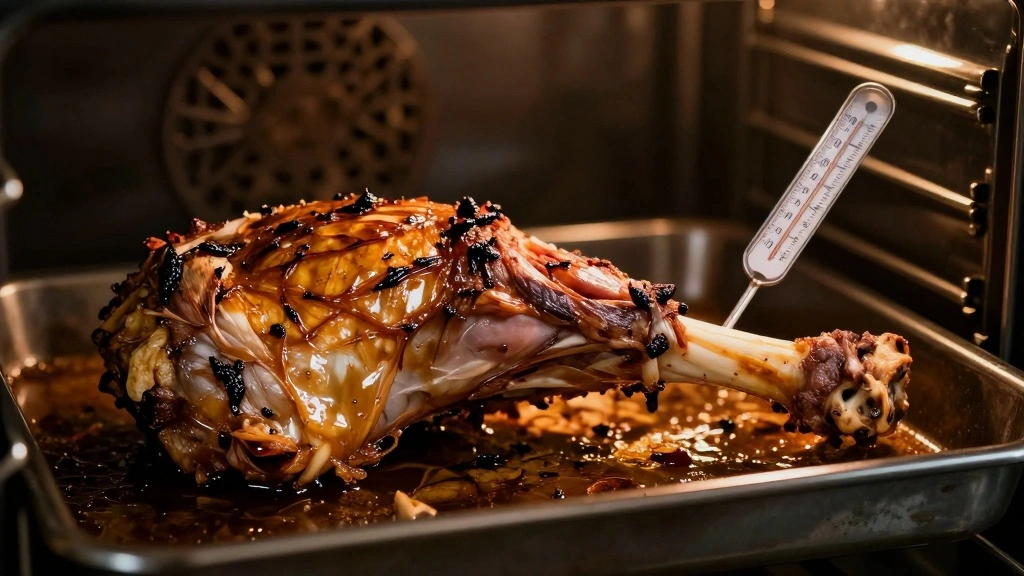
Place the lamb on the rack in the roasting pan.
Insert a meat thermometer into the thickest part.
Roast for about 90 minutes.
Check for an internal temperature of 145°F for medium-rare.


Step 7: Rest the Lamb

Remove the lamb from the oven and cover with foil.
Let it rest for about 15-20 minutes.
This allows the juices to redistribute.
Resting ensures a juicy and tender texture.


Step 8: Carve and Serve
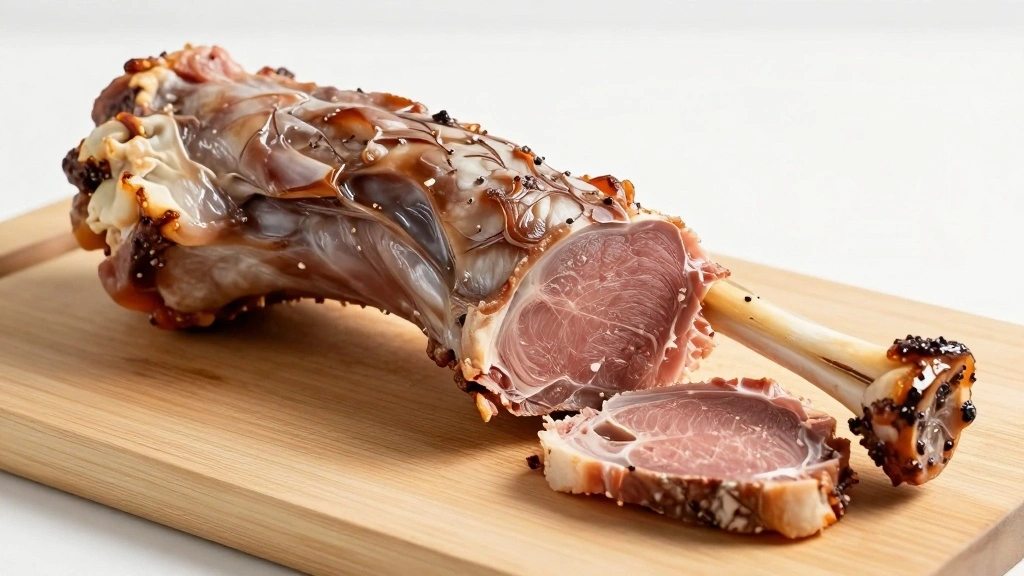
Uncover the lamb and place it on a carving board.
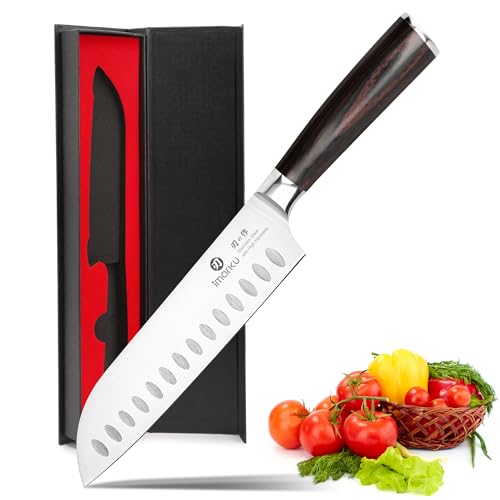
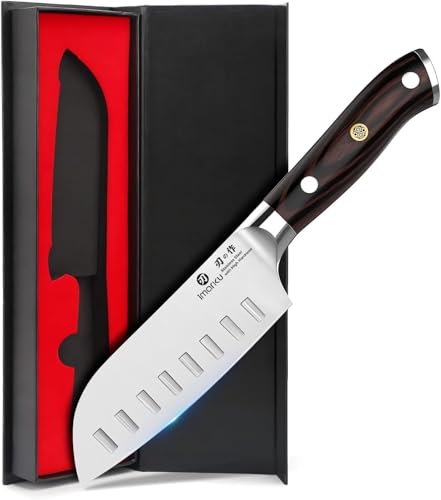
Use a sharp carving knife to slice the lamb against the grain.
Serve with your choice of sides.
Garnish with fresh herbs if desired.

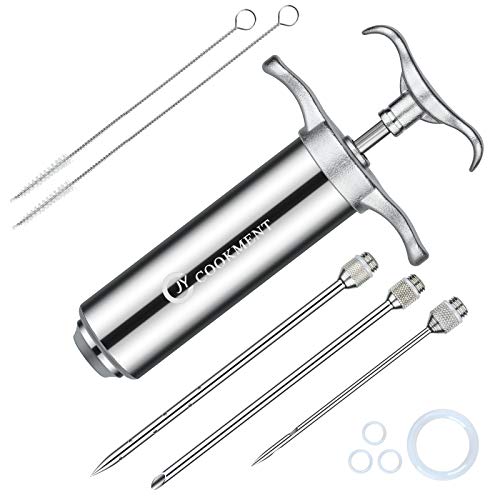


Critical Timing and Temperature Guide
Marination: Marinate for at least 4 hours, or overnight for best results. Ensure the lamb is evenly coated and kept in the fridge.
Roasting: Roast at 375°F (190°C) for approximately 90 minutes. Check for an internal temperature of 145°F for medium-rare.
Resting: Allow the lamb to rest for 15-20 minutes after roasting. This prevents the juices from escaping when carving.


Pro Tips for Leg of Lamb
• Ingredient Selection: Choose a high-quality, pasture-raised lamb for the best flavor and tenderness.
• Preparation Secret: Always let the lamb come to room temperature before marinating to ensure even absorption of flavors.
• Temperature Management: Preheat the oven thoroughly to ensure a consistent cooking temperature.
• Texture Enhancement: Scoring the lamb allows the marinade to penetrate deeply, enhancing tenderness.
• Flavor Layering: Use fresh herbs rather than dried for a more vibrant and complex flavor profile.
• Make-Ahead Strategies: Marinate the lamb the night before to save time and enhance flavor.
• Restaurant-Quality Finishing Touches: Garnish with fresh herbs and a drizzle of extra virgin olive oil before serving.
• Equipment Optimization: A roasting pan with a rack ensures even heat distribution and prevents the lamb from sitting in its juices.
Troubleshooting Common Issues
• Overcooked Meat: This is often caused by roasting at too high a temperature or for too long. Use a thermometer to monitor the internal temperature closely.
• Lack of Flavor: Ensure the lamb is marinated long enough and that the marinade is well-seasoned. Fresh herbs also make a big difference.
• Dry Texture: Avoid over-cooking and ensure the meat rests properly after roasting to retain moisture.
• Uneven Cooking: This can occur if the lamb isn't brought to room temperature before cooking. Ensure even marination and consistent oven temperature.
• Burned Exterior: This may happen if the oven is too hot or the lamb is too close to the heating element. Adjust the oven rack position as needed.




Variations and Regional Differences
• Greek Style: This version often includes oregano and mint in the marinade, with a finishing drizzle of honey for sweetness.
• Moroccan Style: Incorporates spices like cumin, coriander, and cinnamon, as well as preserved lemons for a unique flavor.
• Provençal Style: Uses Herbes de Provence, garlic, and a splash of pastis or anise-flavored liqueur.
• Irish Style: Often incorporates mustard and rosemary, with a side of mint sauce for serving.


Food Science Behind the Recipe
• Maillard Reaction: This chemical reaction between amino acids and reducing sugars gives the roasted lamb its flavor and browned color.
• Marination: The acidic components in the marinade (like wine and lemon zest) break down proteins in the lamb, tenderizing it and enhancing flavor.
• Resting Meat: Allows the muscle fibers to relax and reabsorb juices, making the lamb juicier and more flavorful.


Frequently Asked Questions
What's the most common mistake people make when preparing leg of lamb? Overcooking is a frequent mistake; using a meat thermometer can help avoid this.
How long should I marinate the lamb? At least 4 hours, but overnight is best for maximum flavor.
Can I use dried herbs instead of fresh? Fresh herbs are recommended for their vibrant flavor, but dried can be used in a pinch, though they should be used sparingly.
What's the best way to carve the lamb? Let it rest first, then use a sharp knife to slice against the grain for tender cuts.
How do I know when the lamb is done? Use a thermometer to check for an internal temperature of 145°F for medium-rare.
What's the ideal serving temperature for the lamb? Ideally served warm, around 135°F after resting.
Can I make this recipe with a different cut of lamb? Yes, but cooking times and methods may vary; adjust accordingly.
Serving and Presentation Guide
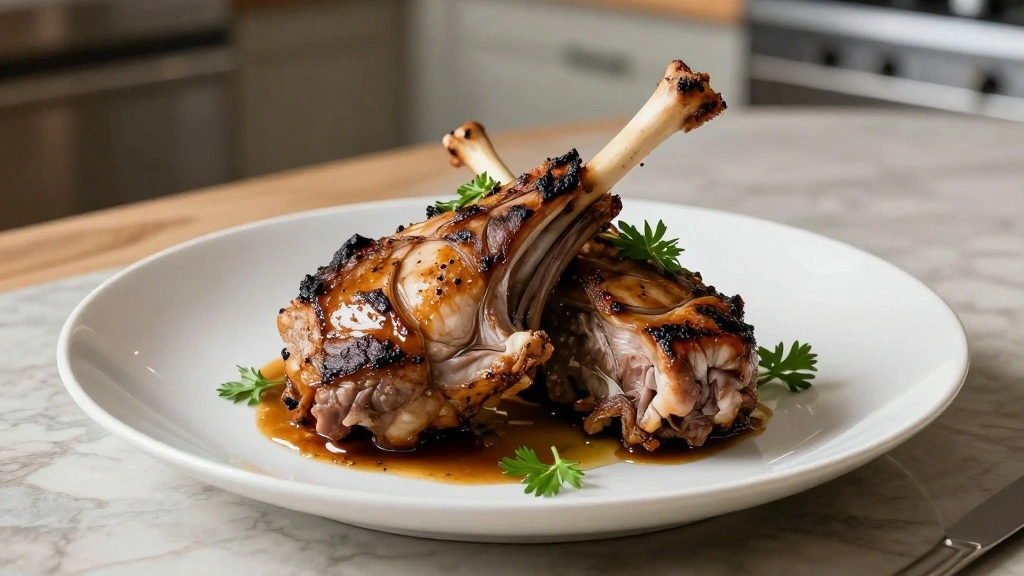
• Traditional Presentation: Serve the leg of lamb whole on a large platter, garnished with fresh rosemary and lemon slices.
• Family Style: Carve the lamb beforehand and arrange the slices on a serving dish with roasted vegetables.
• Elegant Plating: Serve individual slices of lamb on plates, garnished with a sprig of rosemary and a drizzle of olive oil.
• Buffet Style: Keep the lamb warm in a chafing dish, allowing guests to serve themselves.


Conclusion
This leg of lamb marinade recipe offers a delightful blend of flavors that will impress your guests.
With its rich history and delectable taste, it's perfect for any occasion.
Try this recipe and experience the joy of creating a dish steeped in tradition and flavor.