
Slow Cooker Recipes: Easy Meals, Less Effort!
Family-friendly dishes for busy people — quick prep, delicious results.
Grab yours for $4Classic Moroccan Lamb Tagine brings together centuries of culinary tradition with modern techniques to create a dish that’s both comforting and elegant.
The harmonious balance of spices, tender lamb, and slow-cooked vegetables creates a memorable dining experience that will have everyone asking for your secret.
I discovered this recipe during my travels through Morocco, where local chefs have perfected it through generations of careful refinement.
Whether you’re preparing a casual family dinner or hosting a special celebration, this lamb tagine delivers impressive results with straightforward preparation.
The History and Cultural Significance
• Moroccan Lamb Tagine traces its origins to North Africa, where it was originally created by Berber tribes.
• The dish evolved over decades as traders introduced new spices and ingredients, eventually becoming the beloved version we know today.
• In Moroccan culture, this dish traditionally appears at family gatherings and celebrations, symbolizing hospitality and warmth.
• While many variations exist across different regions, the authentic version maintains its signature slow-cooked flavor that sets it apart from imitations.



Recipe Overview
Nutritional Information (per serving)
Essential Equipment Guide
Tagine Pot: This specific tool is important for achieving authentic results as it allows for even heat distribution and moisture retention. Alternatives like a Dutch oven can work, but look for one with a tight-fitting lid.
Mortar and Pestle: Essential for grinding spices to release their full aroma. A spice grinder can be an alternative, but manual grinding provides a more authentic texture.
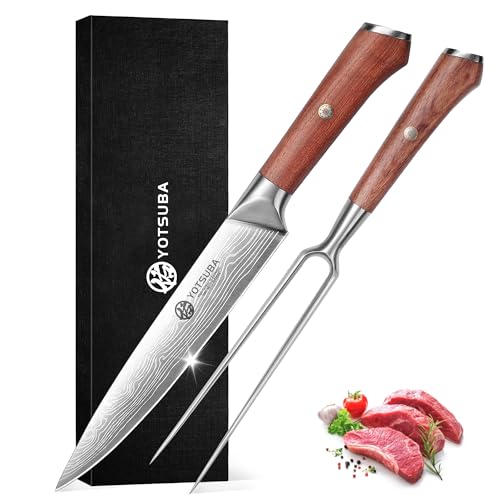
Chef’s Knife: Important for precise chopping of ingredients. Look for a well-balanced knife with a sharp blade to make preparation easier.


Ingredients
For the Base
|
| Amount | Ingredient | Notes |
|---|---|---|
| 2 tablespoons | olive oil | adds richness |
| 2 pounds | lamb shoulder | cut into chunks |
For the Sauce
| Amount | Ingredient | Notes |
|---|---|---|
| 1 large | onion | finely chopped |
| 3 cloves | garlic | minced |
| 1 inch | ginger | grated |
Vegetables
| Amount | Ingredient | Notes |
|---|---|---|
| 2 medium | carrots | sliced |
| 1 large | potato | cubed |
Seasonings
| Amount | Ingredient | Notes |
|---|---|---|
| 1 teaspoon | cumin | ground |
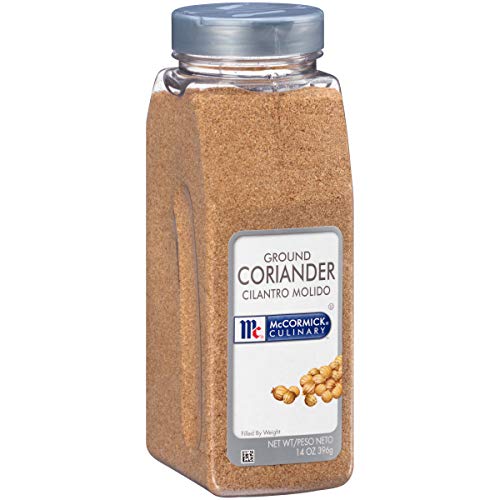
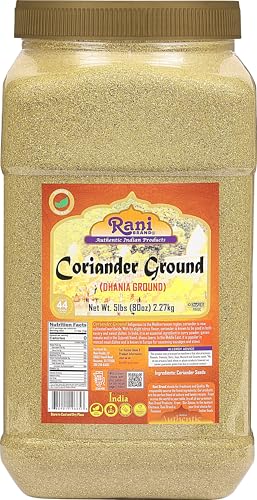
| 1 teaspoon | coriander | ground |
| 1 teaspoon | paprika | adds color |
| 1 teaspoon | cinnamon | adds warmth |
| 1 pinch | saffron | luxury and aroma |
Liquids
| Amount | Ingredient | Notes |
|---|---|---|
| 2 cups | chicken broth | adds depth |
| 1 cup | crushed tomatoes | adds acidity |


Preparation Methods
Searing: This technique is used to brown the lamb, which enhances the flavor by creating a caramelized crust. Ensure the pan is hot and the oil is shimmering before adding the lamb.
Slow Simmering: Essential for tenderizing the lamb and melding flavors. Keep the heat low to prevent the sauce from reducing too quickly.
Blooming Spices: This involves cooking spices in oil to release their essential oils and deepen the flavor. Do this over medium heat to avoid burning.


Step 1: Prepare Ingredients
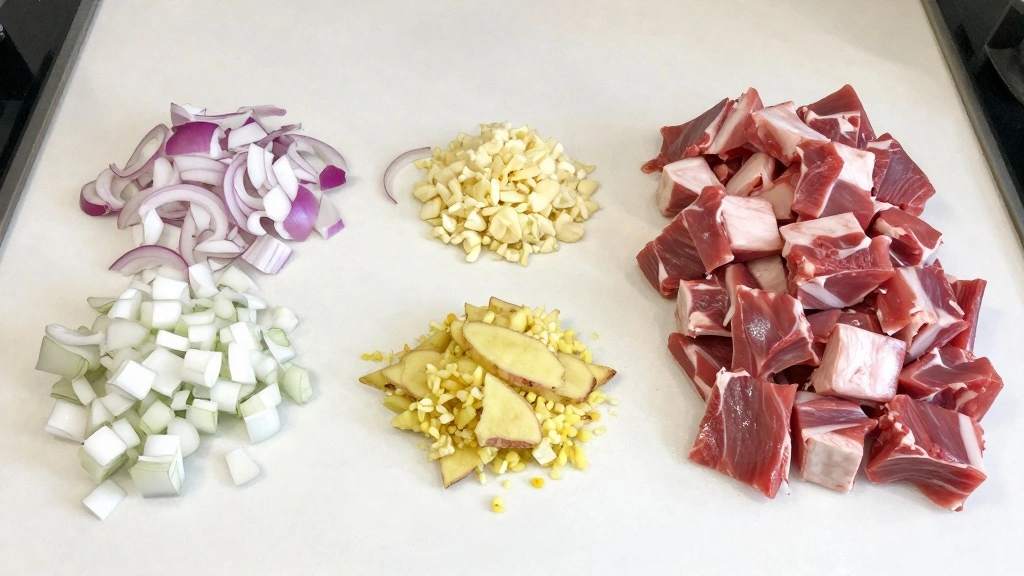
Chop the onion finely and mince the garlic.
Grate the ginger and set aside.
Cut the lamb shoulder into uniform chunks.
Ensure all vegetables are sliced and cubed as directed for even cooking.


Step 2: Sear the Lamb
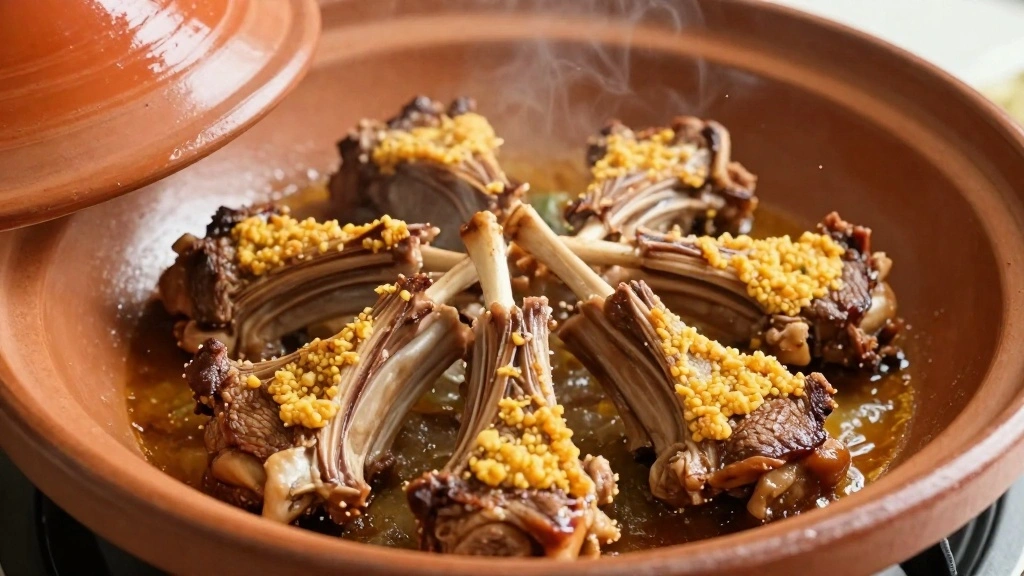
Heat olive oil in the tagine pot over medium-high heat.
Add lamb chunks and sear until browned on all sides.
Work in batches if necessary to avoid overcrowding the pot.
Remove lamb and set aside to retain juices.



Step 3: Bloom the Spices
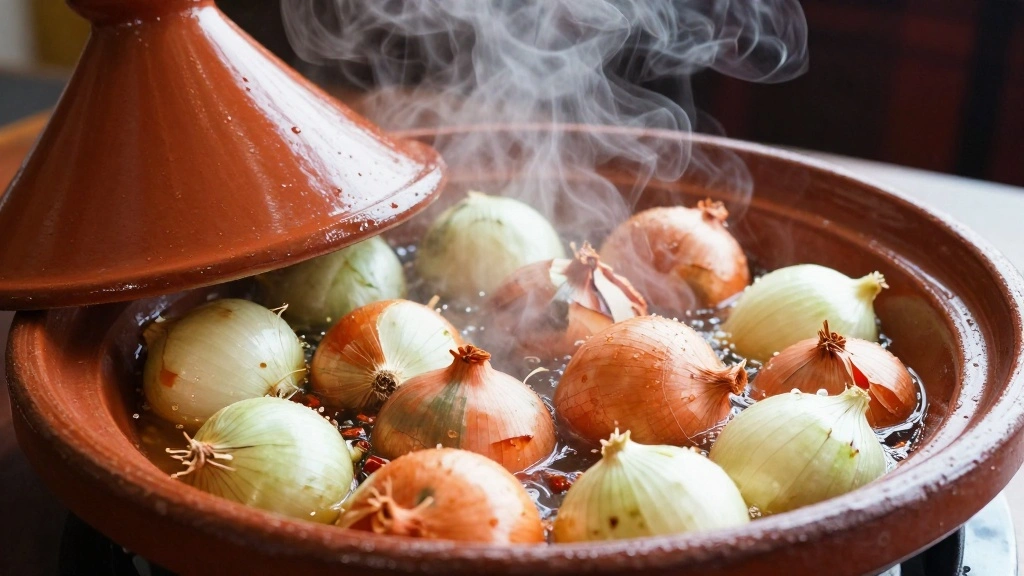
Reduce heat to medium and add onions to the pot.
Cook until translucent, stirring occasionally.
Add garlic, ginger, and all spices, stirring constantly.
Cook until fragrant, ensuring spices don't burn.


Step 4: Combine Ingredients
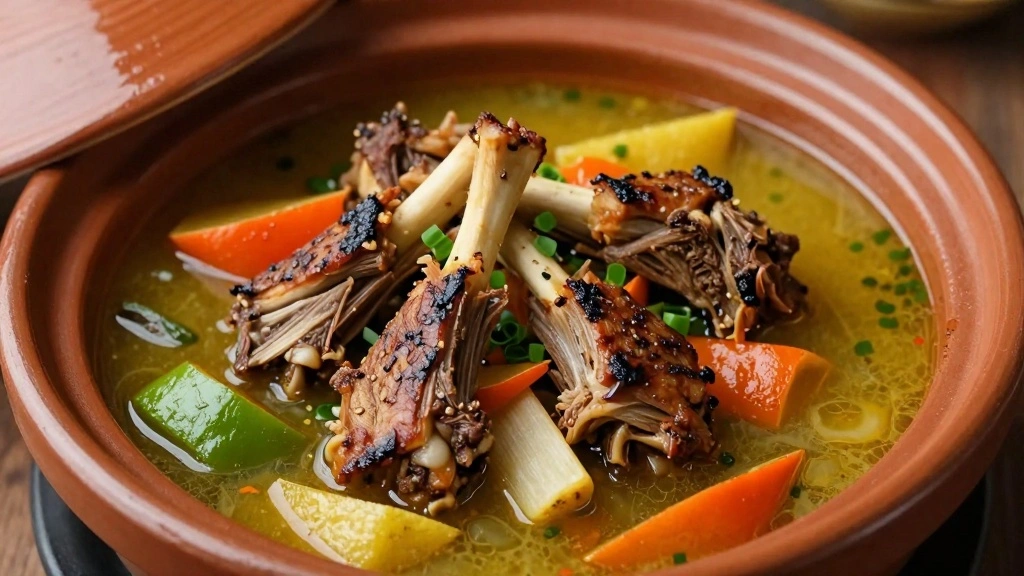
Return the seared lamb to the pot.
Add sliced carrots, cubed potatoes, and crushed tomatoes.
Pour in the chicken broth to cover the ingredients.
Stir to combine, ensuring even distribution of spices.


Step 5: Begin Slow Simmer
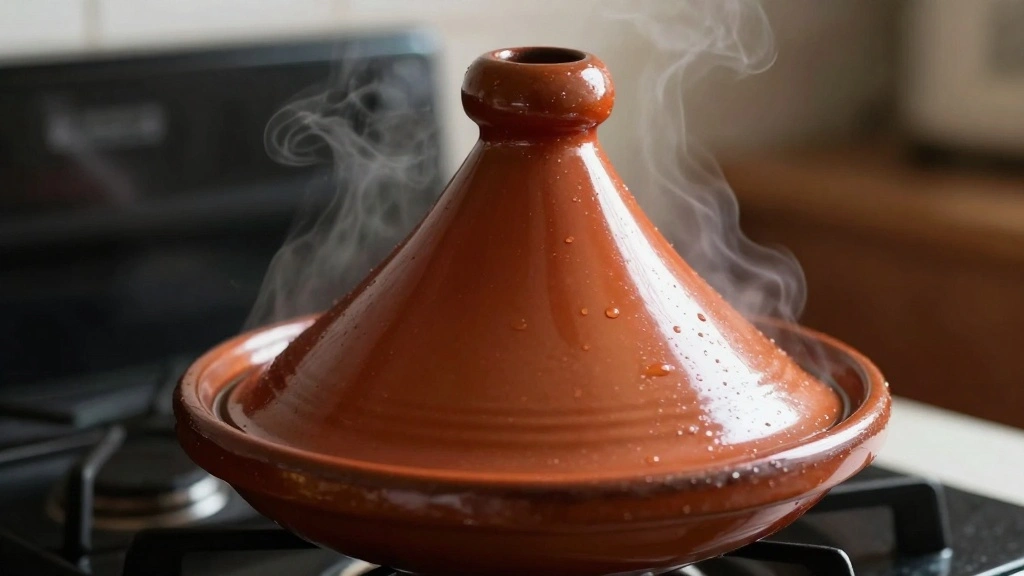
Cover the tagine pot with its lid.
Reduce heat to low and allow the mixture to simmer gently.
Check periodically to ensure the broth is not reducing too quickly.
Adjust heat as necessary to maintain a gentle simmer.


Step 6: Check for Doneness
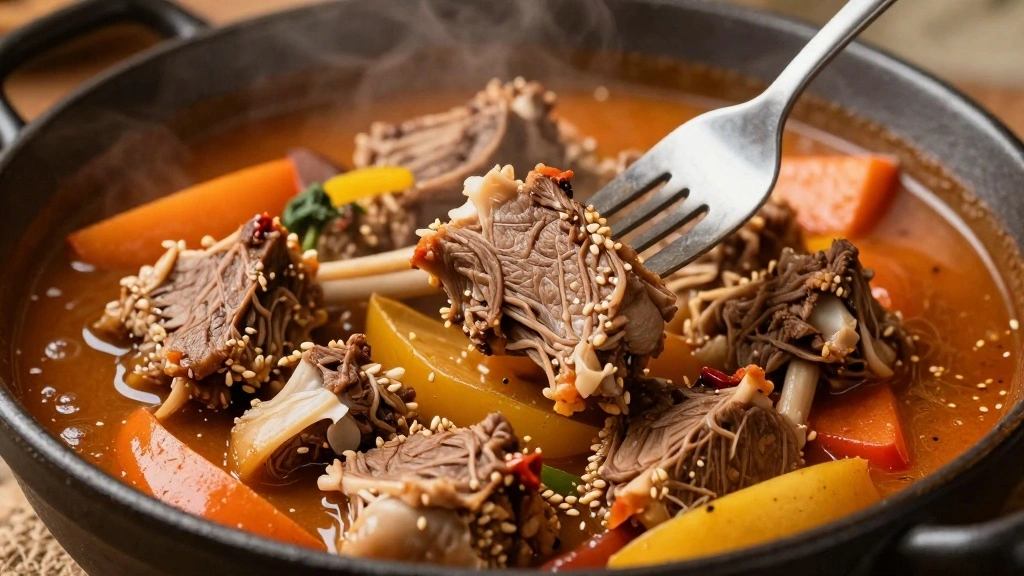
After about 90 minutes, check the tenderness of the lamb.
Use a fork to test; it should easily pierce the meat.
Ensure vegetables are soft but not falling apart.
Continue simmering if necessary until desired tenderness.


Step 7: Adjust Seasoning
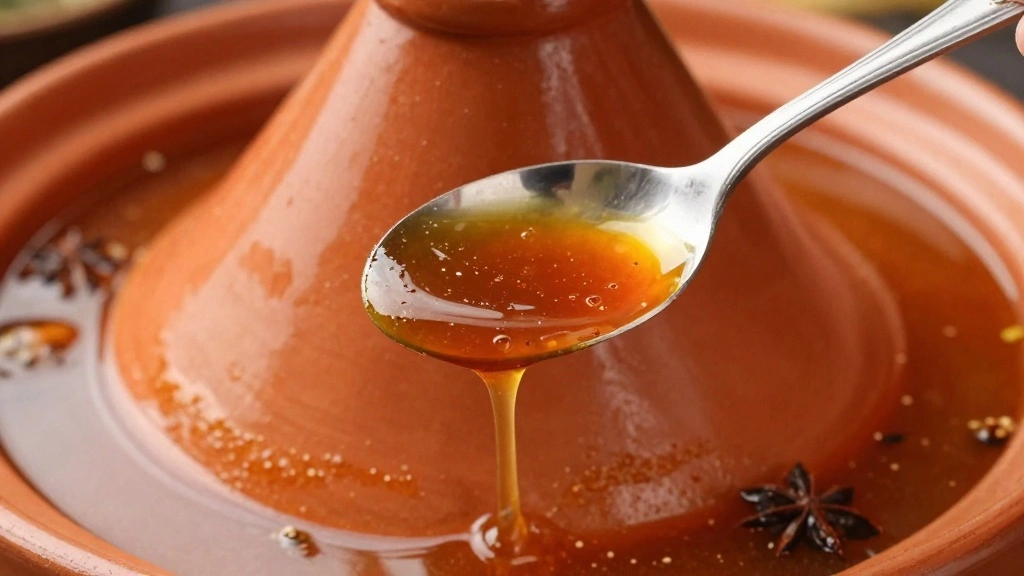
Taste the sauce and adjust seasoning as needed.
Add salt and pepper to taste, if necessary.
Stir to incorporate any additional seasonings.
Ensure the flavors are balanced and harmonious.


Step 8: Serve and Garnish
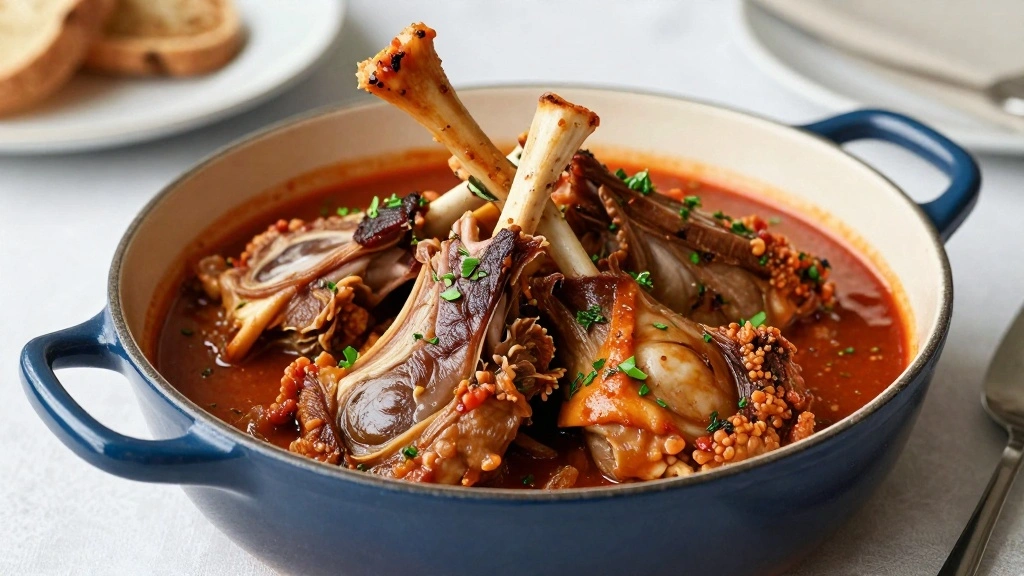
Once cooked to perfection, remove the tagine pot from heat.
Serve the lamb tagine directly from the pot for authenticity.
Garnish with fresh herbs like cilantro or parsley.
Accompany with couscous or flatbread for a complete meal.



Critical Timing and Temperature Guide
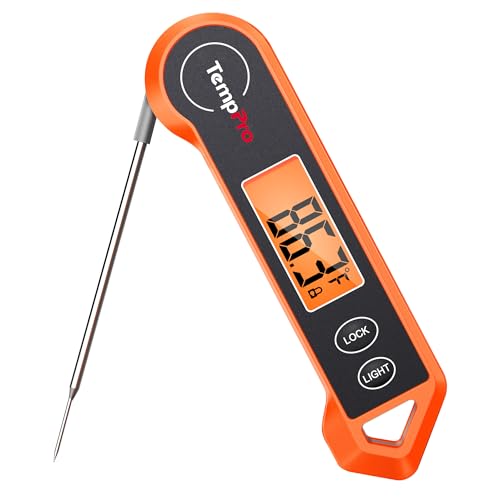
Searing: Sear lamb chunks over medium-high heat for 3-4 minutes on each side. Look for a deep brown crust. Avoid overcooking, which can toughen the meat.
Simmering: Maintain a low simmer for 90-120 minutes. The broth should bubble gently. Avoid boiling, which can cause the meat to become dry.
Resting: Allow the tagine to rest for 10 minutes off heat before serving. This helps meld flavors. Avoid rushing this step, as it enhances taste.


Pro Tips for Moroccan Lamb Tagine
• Ingredient Selection: Choose high-quality lamb shoulder for the best flavor and tenderness. Fresh spices will make a noticeable difference in the dish's aroma.
• Preparation Secret: Marinating the lamb in spices and olive oil overnight can enhance flavor depth significantly.
• Temperature Management: Ensure all ingredients are at room temperature before cooking to promote even cooking and better flavor integration.
• Texture Enhancement: Slow simmering is key to breaking down the collagen in lamb, resulting in a melt-in-your-mouth texture.
• Flavor Layering: Layer flavors by adding spices at different stages, such as blooming them and adding some towards the end for a fresh kick.
• Make-Ahead Strategies: Prepare the spice blend and chop vegetables a day in advance, storing them in airtight containers.
• Restaurant-Quality Finishing Touches: Drizzle a bit of olive oil and sprinkle fresh herbs just before serving to enhance presentation and flavor.
• Equipment Optimization: Use a heat diffuser if necessary to maintain a stable simmer, especially if your stovetop heats unevenly.
Troubleshooting Common Issues
• Texture Too Dense: This is often caused by high heat during cooking. Ensure a gentle simmer and check doneness periodically.
• Flavors Unbalanced: If the dish tastes flat, add a pinch of salt or a squeeze of lemon to brighten flavors.
• Sauce Too Thin: If the sauce is too watery, simmer uncovered for a few minutes to reduce it.
• Lamb Not Tender: If the lamb remains tough, continue simmering at a low temperature until it softens.
• Vegetables Overcooked: Add vegetables later in the cooking process if they tend to overcook in your pot.
• Spices Burning: Stir spices frequently during blooming and keep heat at medium to prevent burning.




Variations and Regional Differences
• Algerian Variation: This version uses apricots and almonds to add sweetness and texture, altering the dish's balance with fruity notes.
• Southern Moroccan Style: Incorporates preserved lemons and olives for a tangy, briny twist, prevalent in coastal regions.
• Tunisian Variation: Features harissa paste for added heat, reflecting the region's preference for spicier dishes.
• Berber Tagine: Focuses on root vegetables and uses less meat, showcasing the traditional, rustic approach of Berber tribes.


Food Science Behind the Recipe
• Maillard Reaction: This chemical reaction occurs during searing, creating complex flavors and aromas that enhance the dish's depth.
• Collagen Breakdown: Slow cooking converts collagen to gelatin, resulting in tender meat and a rich, silky sauce.
• Spice Solubility: Blooming spices in oil helps dissolve and distribute their flavors evenly, maximizing their impact on the dish.


Frequently Asked Questions
What's the most common mistake people make when preparing Moroccan Lamb Tagine? Overcooking the lamb at high temperatures, which can lead to tough meat instead of the desired tenderness.
Can I use a slow cooker instead of a tagine pot? Yes, a slow cooker can be an appropriate substitute, but be sure to sear the lamb and bloom the spices on the stovetop first for maximum flavor.
Is it necessary to use saffron in the recipe? While saffron adds a unique aroma, it can be expensive. Substitute with a pinch of turmeric for color, but note that the flavor will differ.
How can I make the dish more or less spicy? Adjust the amount of paprika or add chili flakes to increase spice, or reduce these for a milder version.
What side dishes go well with lamb tagine? Couscous, rice, or flatbreads like naan are traditional accompaniments that complement the dish well.
Can I use other meats instead of lamb? Yes, chicken or beef can be used, but cooking times may vary to ensure tenderness.
How can I store leftovers? Store in an airtight container in the refrigerator for up to 3 days, or freeze for up to 2 months.
Serving and Presentation Guide
• Traditional Presentation: Serve directly from the tagine pot at the center of the table, allowing guests to help themselves.
• Modern Plating: Plate individual servings with a mound of couscous, topped with lamb, vegetables, and a drizzle of sauce.
• Family Style: Arrange the tagine on a large platter, garnished with fresh herbs and lemon wedges for a vibrant presentation.
• Rustic Approach: Use rustic earthenware bowls to enhance the traditional feel of the meal.


Conclusion
Embrace the rich flavors and aromas of Morocco with this classic lamb tagine recipe.
Its slow-simmered goodness is sure to bring warmth and delight to your dining table.
Try this recipe today and experience the magic of Moroccan cuisine in your own kitchen.