
Slow Cooker Recipes: Easy Meals, Less Effort!
Family-friendly dishes for busy people — quick prep, delicious results.
Grab yours for $4This classic Homemade Spaghetti Sauce brings together centuries of culinary tradition with modern techniques to create a dish that’s both comforting and elegant.
The harmonious balance of tomatoes, garlic, and herbs creates a memorable dining experience that will have everyone asking for your secret.
I discovered this recipe during my travels through Italy, where local chefs have perfected it through generations of careful refinement.
Whether you’re preparing a casual family dinner or hosting a special celebration, this spaghetti sauce delivers impressive results with straightforward preparation.
The History and Cultural Significance
• Spaghetti Sauce Recipe traces its origins to Southern Italy, where it was originally created by farmers and homemakers using fresh, local produce.
• The dish evolved over decades as tomatoes became more widespread in Europe, eventually becoming the beloved version we know today.
• In Italian culture, this dish traditionally appears at family gatherings and Sunday dinners, symbolizing unity and comfort.
• While many variations exist across different regions, the authentic version maintains a balance of acidity and sweetness that sets it apart from imitations.



Recipe Overview
Nutritional Information (per serving)
Essential Equipment Guide
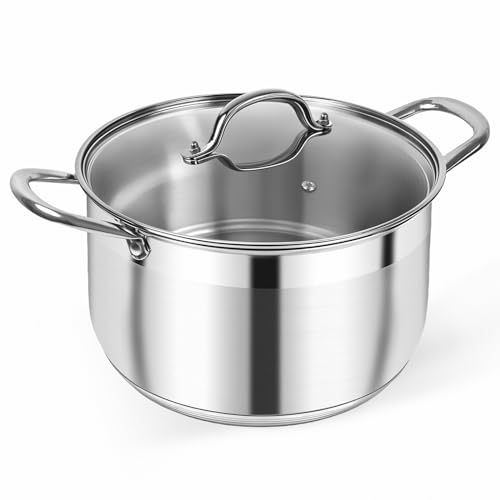
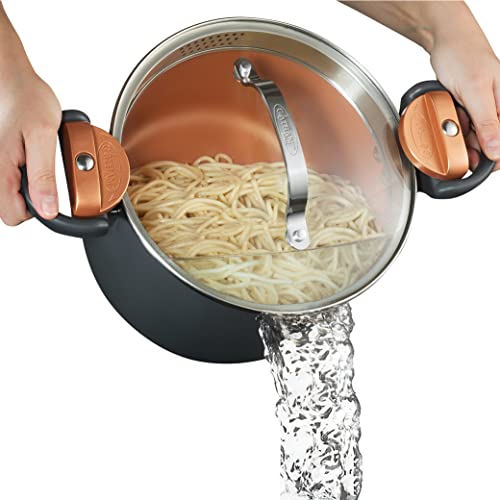
Large Saucepan: A large saucepan is essential for evenly cooking the sauce and developing flavors. Look for one with a heavy bottom to prevent burning.
Wooden Spoon: A wooden spoon is perfect for stirring the sauce, as it won’t react with the acidity of tomatoes like metal might.
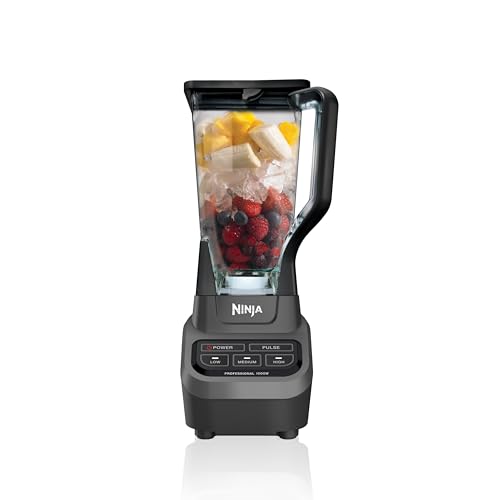
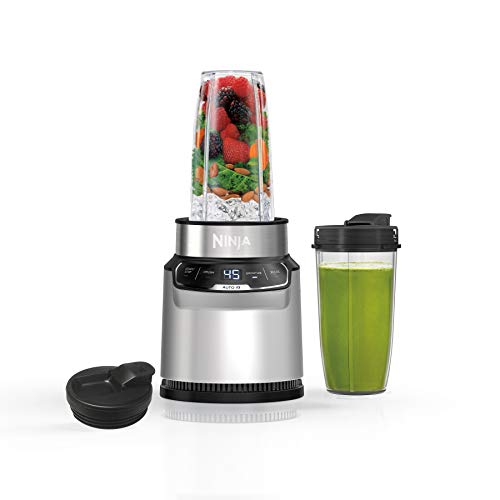
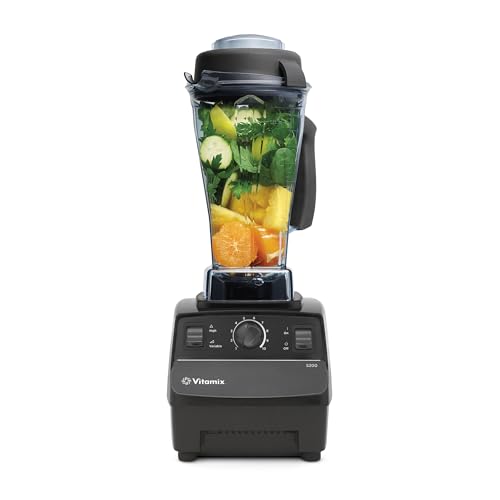
Immersion Blender: This tool is useful for achieving a smooth texture without transferring hot sauce to a countertop blender. Look for one with variable speed settings for better control.




Ingredients
For the Base
|
| Amount | Ingredient | Notes |
|---|---|---|
| 2 tablespoons | olive oil | adds richness and depth |
| 1 large | onion | finely chopped |
For the Sauce
| Amount | Ingredient | Notes |
|---|---|---|
| 4 cloves | garlic | minced for aromatic flavor |
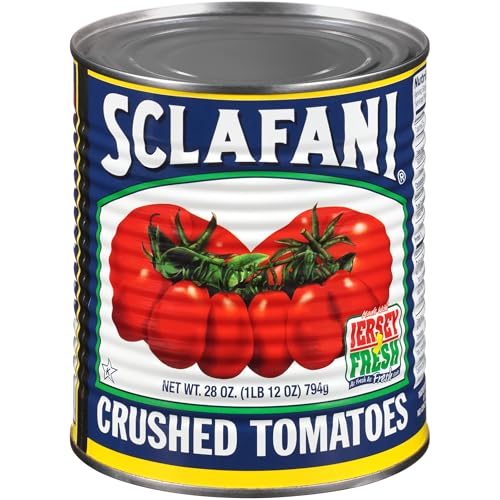
| 2 cans | crushed tomatoes | 28 ounces each, provides the sauce’s body |
Seasonings
| Amount | Ingredient | Notes |
|---|---|---|
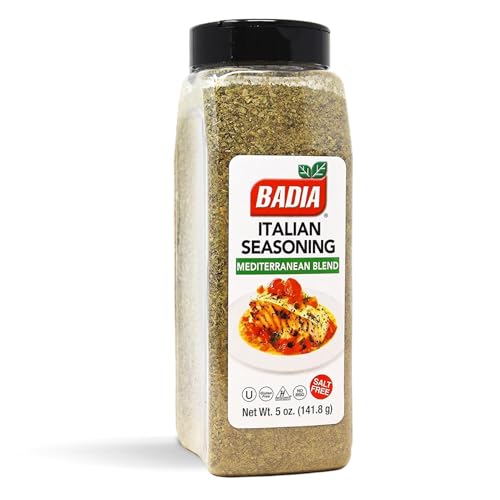
| 1 teaspoon | dried oregano | for herbaceous notes |
| 1 teaspoon | dried basil | classic Italian seasoning |
| 1/2 teaspoon | salt | to taste |
| 1/4 teaspoon | black pepper | freshly ground |
Vegetables
| Amount | Ingredient | Notes |
|---|---|---|
| 1 medium | carrot | grated, adds natural sweetness |


Preparation Methods
Sautéing: This technique involves cooking onions, garlic, and other ingredients in olive oil over medium heat until they are soft and aromatic. Sautéing develops the base flavors crucial for a rich sauce.
Simmering: Slow cooking the sauce on low heat allows flavors to meld and deepen. It's crucial to stir occasionally to prevent sticking and burning.
Blending: Using an immersion blender to puree the sauce ensures a smooth consistency. Pureeing also helps incorporate the flavors throughout the sauce evenly.




Step 1: Prepare Ingredients

Gather all ingredients and measure them out for easy access.
Chop the onion finely and mince the garlic.
Grate the carrot using a box grater.
Open the cans of crushed tomatoes and set aside.


Step 2: Heat Olive Oil
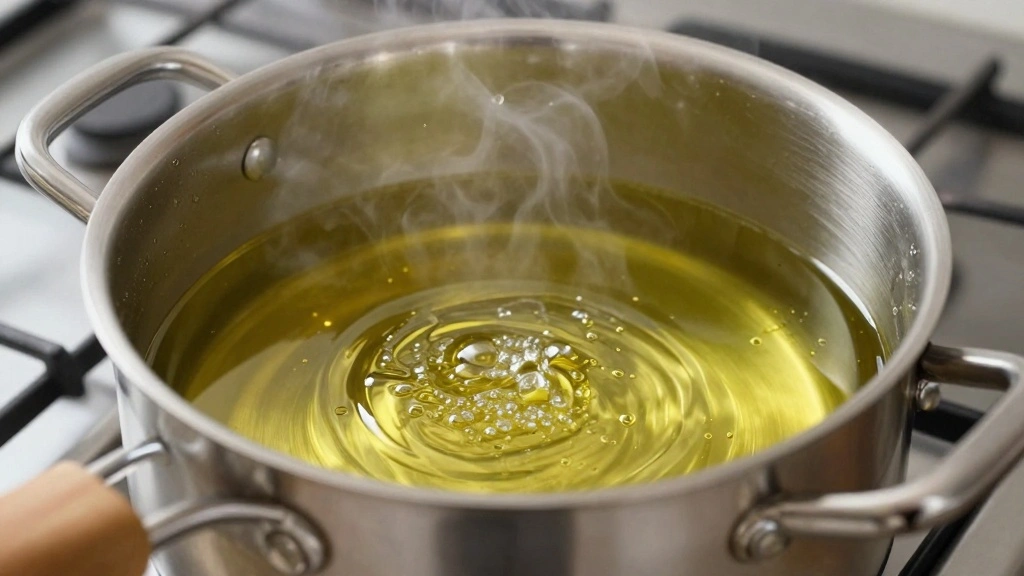
Place a large saucepan over medium heat and add olive oil.
Allow the oil to heat until it shimmers, indicating it's ready for sautéing.
Avoid overheating to prevent burning the oil.
Swirl the pan gently to coat the bottom evenly with oil.




Step 3: Sauté Onions and Garlic
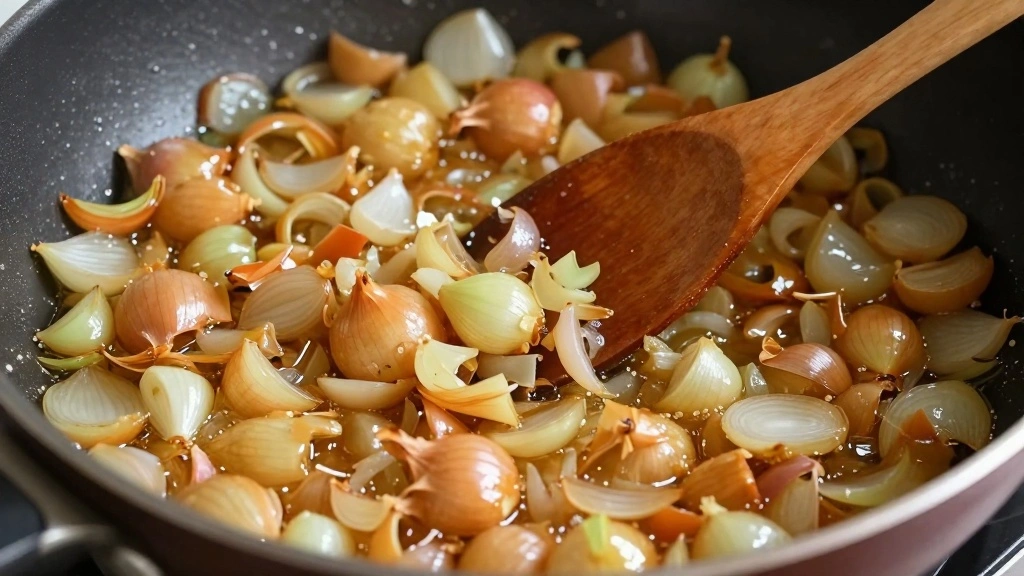
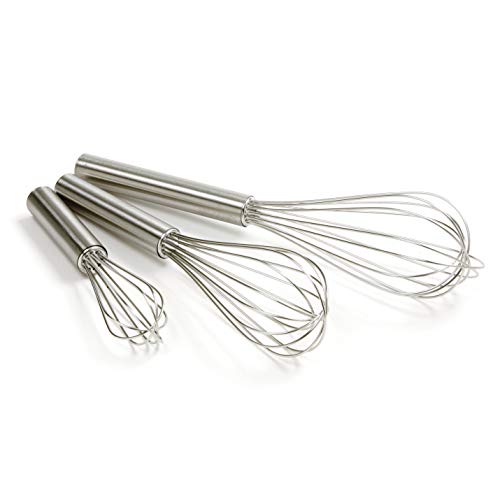
Add the chopped onions to the hot oil and stir with a wooden spoon.
Sauté for about 5 minutes until onions become translucent.
Add minced garlic and continue to sauté for another 2 minutes.
Ensure garlic does not brown to avoid bitterness.




Step 4: Add Crushed Tomatoes
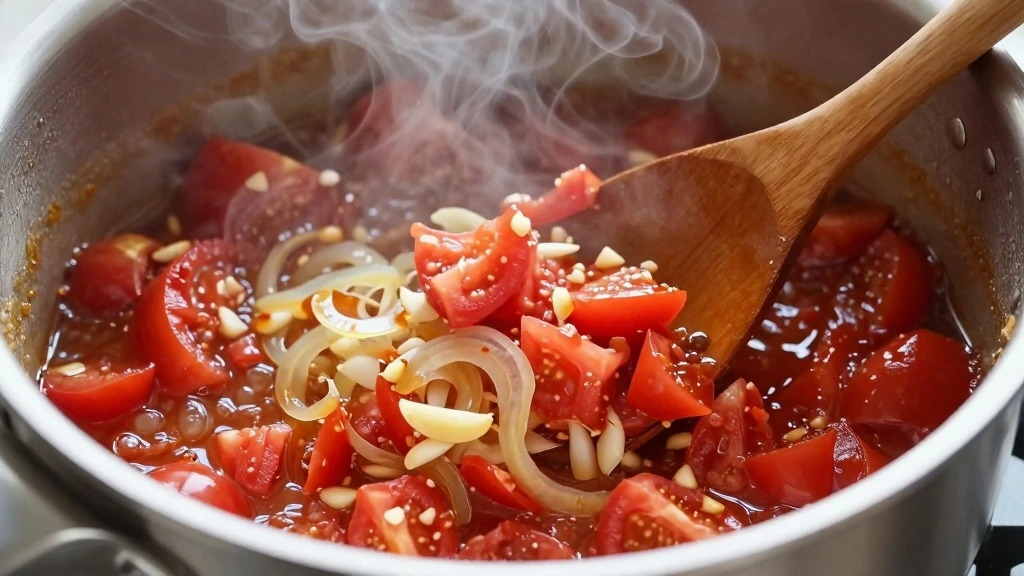
Pour the crushed tomatoes into the saucepan with the sautéed onions and garlic.
Stir to combine the ingredients thoroughly.
Increase the heat slightly until the mixture begins to simmer.
Watch for bubbles forming around the edges of the pan.



Step 5: Incorporate Seasonings

Add dried oregano, dried basil, salt, and black pepper to the sauce.
Stir well to distribute the seasonings evenly throughout the sauce.
Taste and adjust seasoning if necessary.
Ensure spices are fully integrated to avoid clumps.


Step 6: Add Grated Carrot
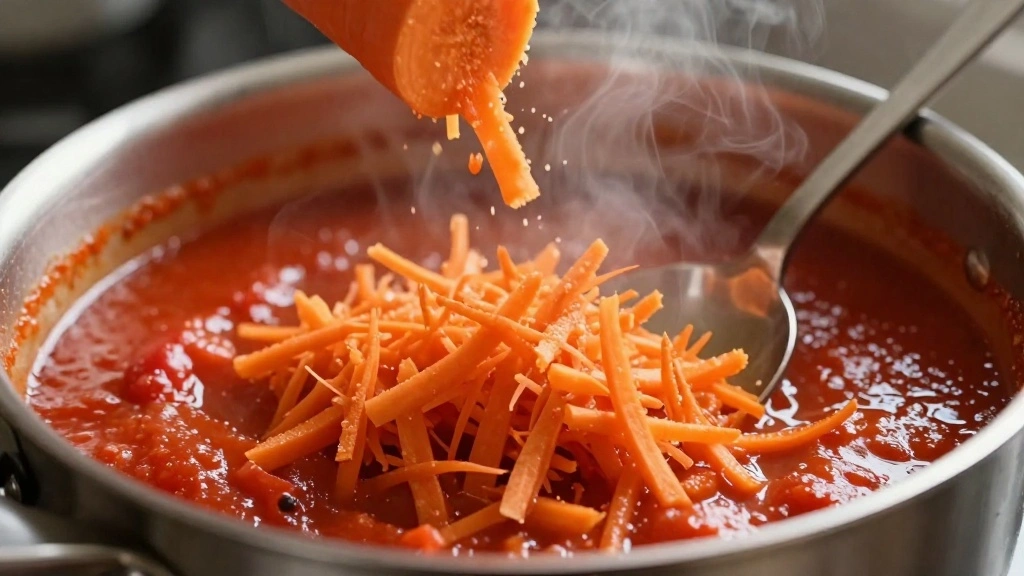
Introduce the grated carrot into the sauce, stirring to incorporate.
Carrot adds natural sweetness, balancing the acidity of tomatoes.
Simmer gently, allowing the carrot to soften and blend with the sauce.
Watch for the sauce to thicken slightly.


Step 7: Simmer the Sauce
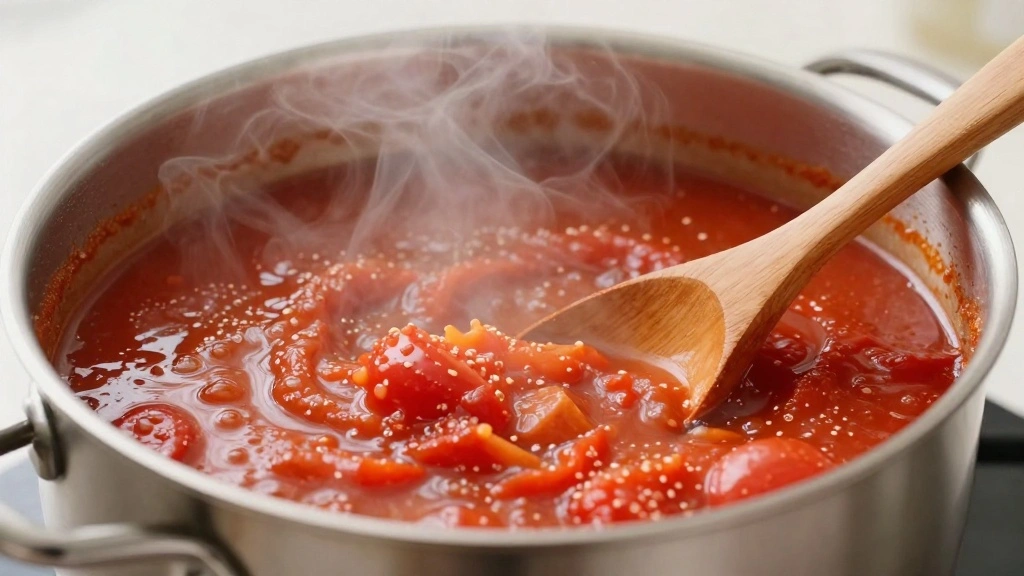
Reduce heat to low and cover the saucepan partially.
Allow the sauce to simmer for 30-45 minutes, stirring occasionally.
Simmering helps meld flavors and enhances depth.
Check consistency and adjust with water if the sauce becomes too thick.




Step 8: Blend for Smoothness
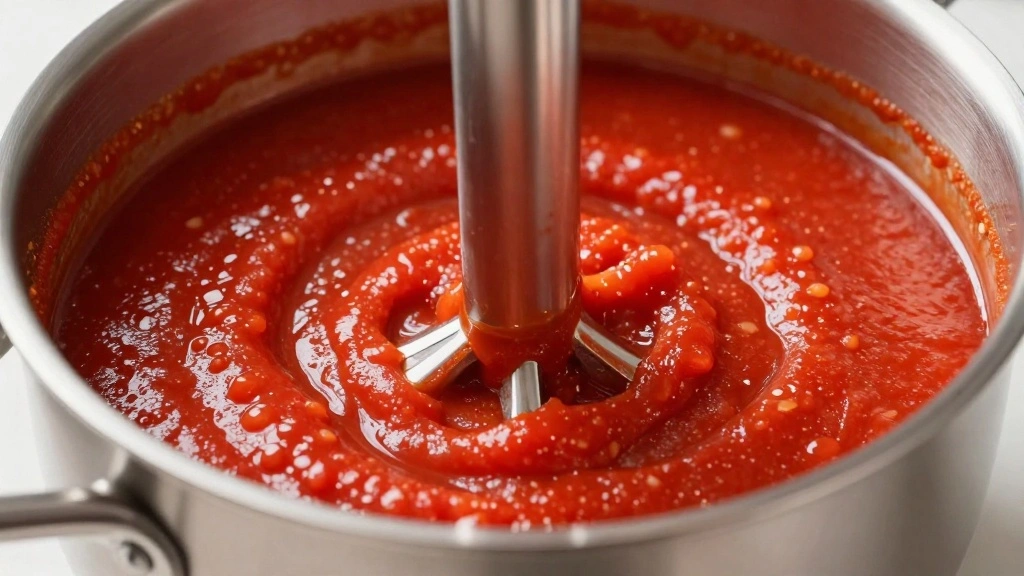
Use an immersion blender to puree the sauce until smooth.
Blend directly in the saucepan for convenience.
Be cautious of splashing hot sauce.
Ensure all chunks are broken down for a uniform texture.


Step 9: Adjust Seasoning
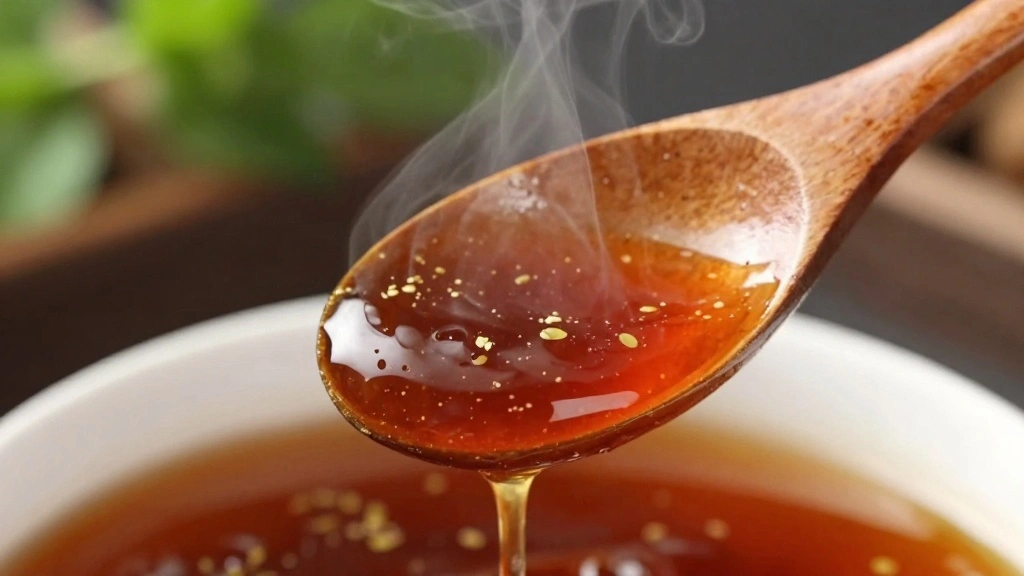
Taste the sauce and adjust seasoning as needed.
Consider adding more salt or herbs for desired flavor.
Stir well to ensure even distribution of any added seasonings.
Continue simmering if adjustments are made to meld flavors.


Critical Timing and Temperature Guide
Sautéing: Cook onions and garlic for 5-7 minutes over medium heat until translucent. Avoid high heat to prevent burning and bitterness.
Simmering: Maintain a low simmer for 30-45 minutes, stirring occasionally. Look for a gentle bubble indicating proper heat.
Blending: Use the immersion blender on low to medium speed for safety. Blend until smooth, ensuring no large chunks remain.




Pro Tips for Spaghetti Sauce Recipe
• Ingredient Selection: Choose San Marzano tomatoes for their superior flavor and low acidity, making a noticeable difference in the sauce's quality.
• Preparation Secret: Adding a pinch of sugar at the end can balance acidity without making the sauce sweet, a trick often overlooked.
• Temperature Management: Ensure the sauce simmers gently, not boiling, to meld flavors without reducing too quickly.
• Texture Enhancement: Blending the sauce smoothens the texture, creating a luxurious mouthfeel distinct to homemade versions.
• Flavor Layering: Sautéing onions and garlic develops a flavor base, while simmering integrates and intensifies the flavors.
• Make-Ahead Strategies: Prepare the sauce ahead and refrigerate for up to 3 days, allowing flavors to deepen. Reheat gently before serving.
• Restaurant-Quality Finishing Touches: Stir in a knob of butter before serving for a glossy finish and richer taste.
• Equipment Optimization: Use a heavy-bottomed pan for even heat distribution, preventing hot spots and burning.
Troubleshooting Common Issues
• Texture Too Thin: This can occur if the sauce is not simmered long enough. Continue simmering with the lid off to reduce excess liquid.
• Flavors Unbalanced: If the sauce is too acidic, add a pinch of sugar or a small amount of baking soda to neutralize the acidity.
• Burnt Taste: Prevent this by stirring regularly and not letting the sauce stick to the bottom of the pan. If burnt, avoid scraping the bottom.
• Uneven Consistency: Ensure thorough blending with an immersion blender to achieve smoothness. Re-blend if needed.
• Too Salty: Add a raw potato to absorb excess salt, then remove it before serving.
• Lack of Flavor: Increase herbs and spices, and consider adding a splash of red wine for depth.



Variations and Regional Differences
• Neapolitan Style: Uses fresh tomatoes instead of canned, offering a lighter, fresher taste with regional herbs like basil and oregano.
• Sicilian Variation: Incorporates capers and olives for a tangy and savory depth, reflecting the island's love for bold flavors.
• Bolognese Influence: Adds meat such as ground beef or pork, transforming it into a ragu, traditionally served with tagliatelle.
• Arrabbiata Twist: Includes red pepper flakes for a spicy kick, perfect for those who enjoy a bit of heat.


Food Science Behind the Recipe
• Maillard Reaction: Sautéing onions and garlic begins this reaction, developing a rich base flavor through browning.
• Caramelization: The natural sugars in the carrot caramelize during cooking, adding sweetness and complexity.
• Acid-Base Balance: Tomatoes are acidic, and balancing them with sugar or baking soda helps achieve a harmonious flavor profile.




Frequently Asked Questions
What's the most common mistake people make when preparing spaghetti sauce? The most common mistake is not simmering the sauce long enough, which prevents flavors from fully developing.
Can I use fresh tomatoes instead of canned? Yes, fresh tomatoes can be used, but they should be peeled and seeded for the best texture and consistency.
How can I make the sauce thicker? Simmer the sauce uncovered to reduce it, or add a small amount of tomato paste for thickness.
Is it necessary to blend the sauce? Blending is not mandatory but helps achieve a smooth and even consistency that enhances the eating experience.
Can I freeze this sauce? Absolutely, the sauce freezes well for up to three months. Thaw overnight in the fridge before reheating.
What can I add for extra flavor? A splash of red wine or balsamic vinegar can add depth and complexity to the sauce.
How can I reduce acidity without sugar? A pinch of baking soda can neutralize the acidity without altering the flavor, unlike sugar.
Why is my sauce too sweet? This can happen if too much carrot or sugar was added. Balance with more tomatoes or a splash of lemon juice.
Serving and Presentation Guide
• Traditional Presentation: Serve the sauce over al dente spaghetti, garnished with freshly grated Parmesan and a sprig of basil.
• Family Style: Present in a large bowl for sharing, with a side of crusty bread to soak up the sauce.
• Restaurant Style: Plate with precision, creating a nest of pasta topped with a ladle of sauce and delicate basil chiffonade.
• Casual Gatherings: Serve in a rustic pot directly on the table, with a ladle for self-serving, encouraging a communal atmosphere.


Conclusion
Making this Homemade Spaghetti Sauce offers a taste of Italy right at home.
The rich and comforting flavors are sure to become a family favorite.
With its straightforward preparation, you'll enjoy creating a dish that brings people together around the table.