
Slow Cooker Recipes: Easy Meals, Less Effort!
Family-friendly dishes for busy people — quick prep, delicious results.
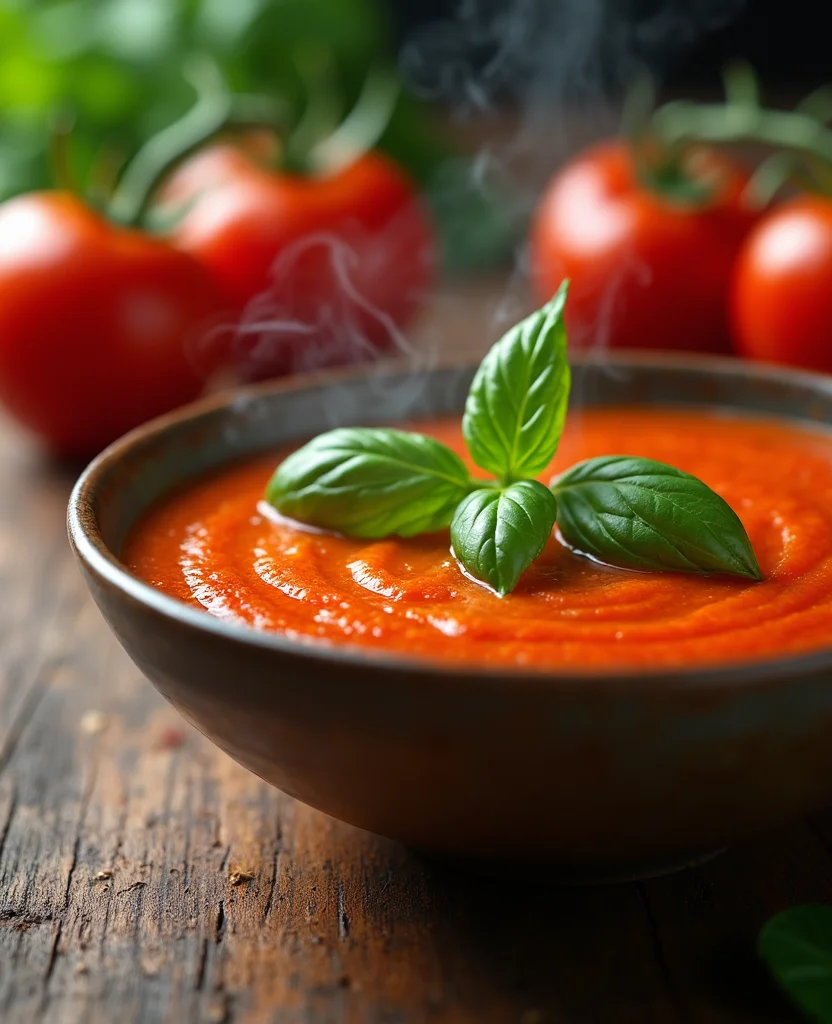
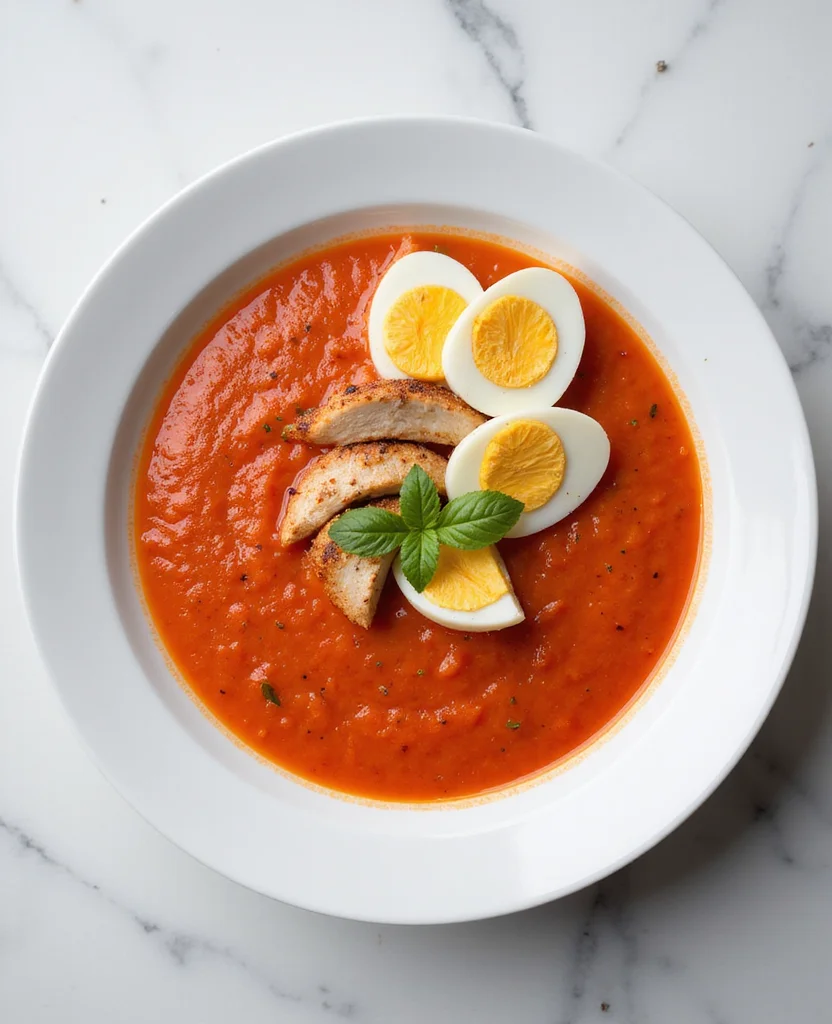
Grab yours for $4This creamy high protein tomato soup is a perfect blend of nutrition and flavor, bringing warmth to your table with every spoonful.
The rich, tangy taste of ripe tomatoes is perfectly complemented by a mix of herbs and a creamy texture, making it a delightful treat for any season.
I stumbled upon this recipe during a chilly autumn evening, and it quickly became a family favorite due to its comforting and nourishing qualities.
Whether you’re looking to boost your protein intake or simply enjoy a heartwarming dish, this soup offers a satisfying experience with minimal effort.
Prepare to be amazed by how easy it is to create a restaurant-quality dish right in your kitchen.
This high protein tomato soup is not only delicious but also a testament to how simple ingredients can create a culinary masterpiece.
The History and Cultural Significance
• High Protein Tomato Soup traces its origins to the Mediterranean, where it was originally created by blending locally available ingredients like ripe tomatoes and herbs.
• The dish evolved over decades as chefs began incorporating protein-rich elements such as beans and lentils, eventually becoming the beloved version we know today.
• In Italian culture, this dish traditionally appears at family gatherings, symbolizing warmth and togetherness.
• While many variations exist across different regions, the authentic version maintains a creamy consistency and rich flavor profile that sets it apart from imitations.


Recipe Overview
Nutritional Information (per serving)
You Might Also Like
Essential Equipment Guide
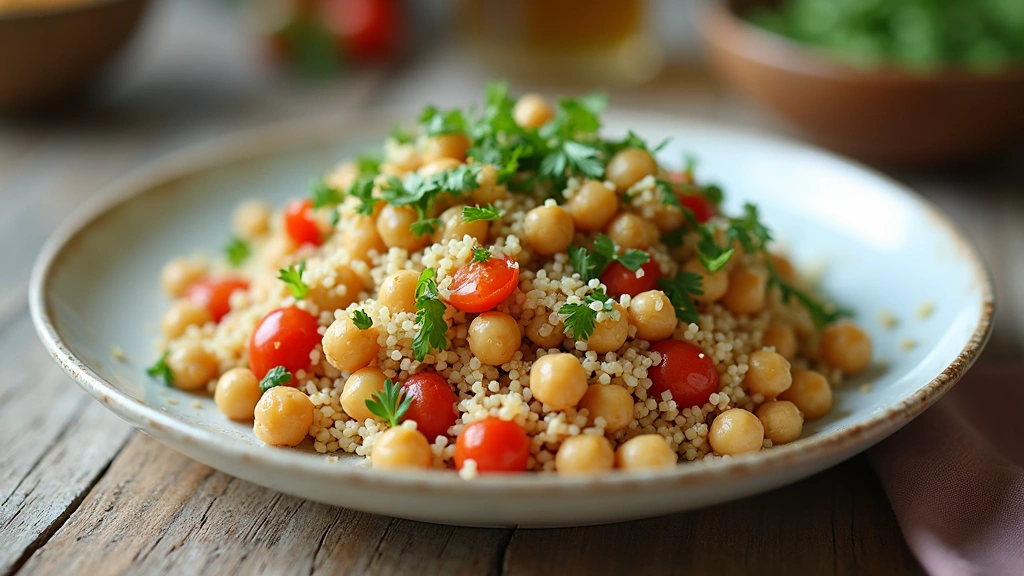
Blender: A high-speed blender is essential for achieving a smooth and creamy texture. Alternatives like an immersion blender can work, but might not achieve the same consistency. Look for a model with multiple speed settings for better control.
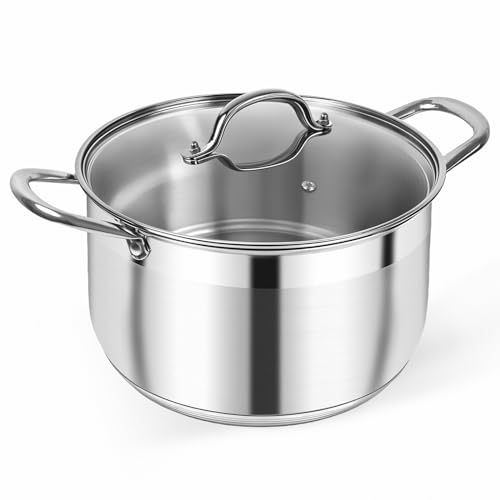
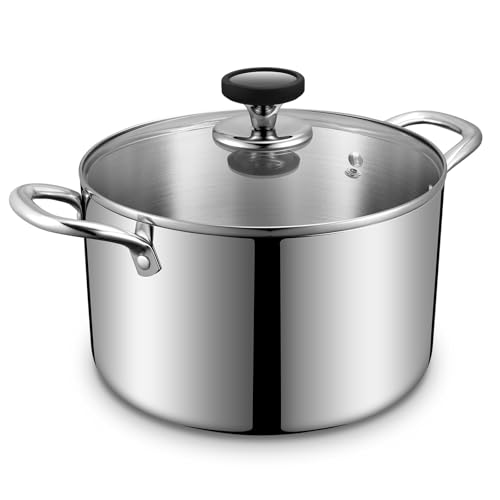
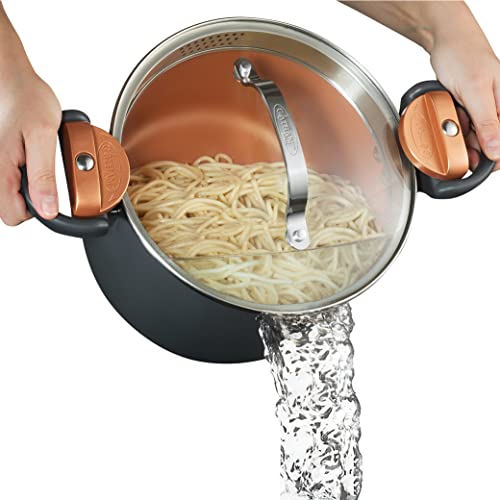
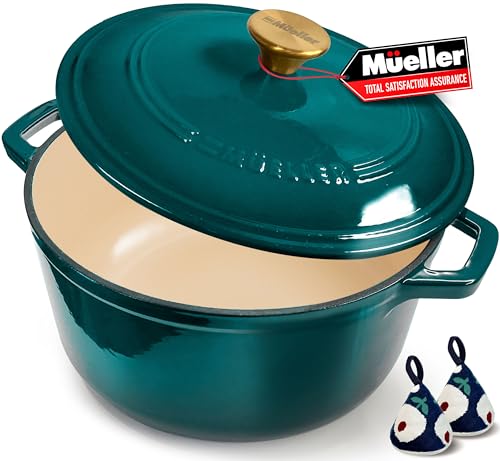
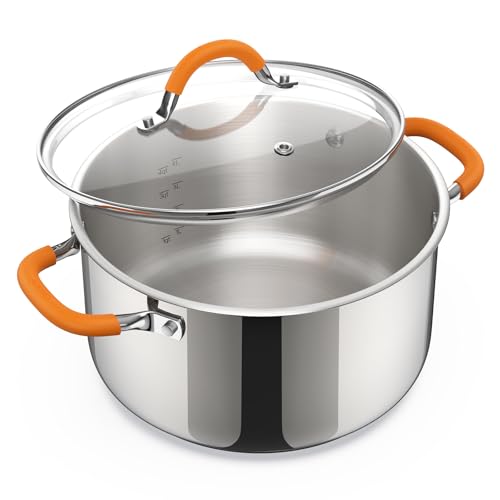
Large Pot: A heavy-bottomed pot is crucial for even cooking and preventing the soup from scorching. Cast iron or stainless steel pots are ideal choices. Ensure it has a lid to retain heat.
Fine Mesh Sieve: This tool is important for straining the soup to remove any tomato skins or seeds, ensuring a silky finish. For best results, choose a sieve with a sturdy frame and fine mesh.





Ingredients
For the Base
|
| Amount | Ingredient | Notes |
|---|---|---|
| 1 tablespoon | olive oil | adds richness |
| 1 large | onion | finely chopped |
Vegetables
| Amount | Ingredient | Notes |
|---|---|---|
| 5 medium | tomatoes | diced |
| 2 cloves | garlic | minced |
Protein
| Amount | Ingredient | Notes |
|---|---|---|
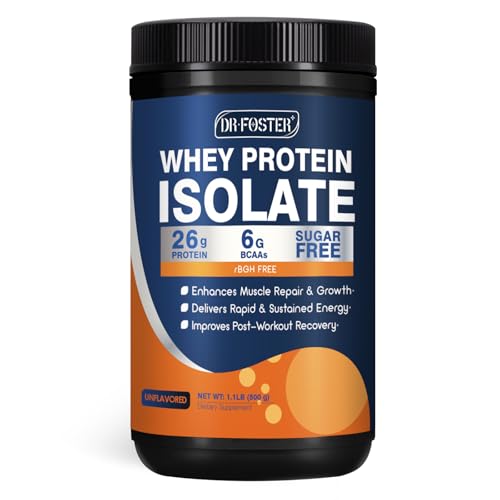
| 1 cup | cooked lentils | provides protein |
Seasonings
| Amount | Ingredient | Notes |
|---|---|---|
| 1 teaspoon | salt | enhances flavor |
| 1 teaspoon | black pepper | adds depth |
| 1 teaspoon | dried basil | for aroma |
| 1 teaspoon | oregano | for a classic taste |
Liquid
| Amount | Ingredient | Notes |
|---|---|---|
| 4 cups | vegetable broth | base of the soup |
| 1 cup | coconut milk | for creaminess |




Preparation Methods
Sautéing: Sautéing the onions and garlic first is crucial for building flavor in the soup. Ensure the oil is hot enough before adding the onions to avoid steaming instead of browning them. Stir frequently to prevent burning.
Blending: Blending the soup is key to achieving a creamy texture. It's important to blend in batches if using a regular blender to avoid spills. Hold down the lid firmly and start on a low speed.
Simmering: Allowing the soup to simmer gently helps the flavors meld together. Keep the heat low to medium and stir occasionally to prevent sticking. This step also helps to thicken the soup naturally.
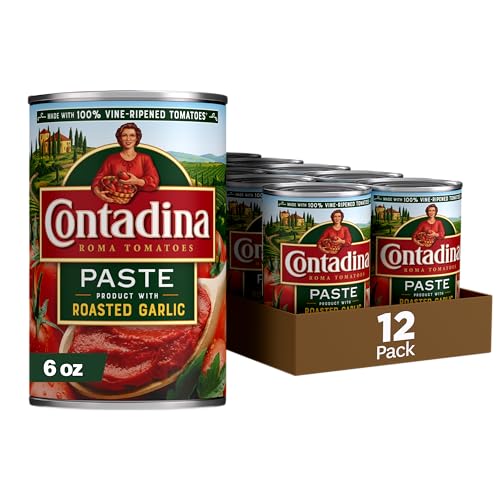


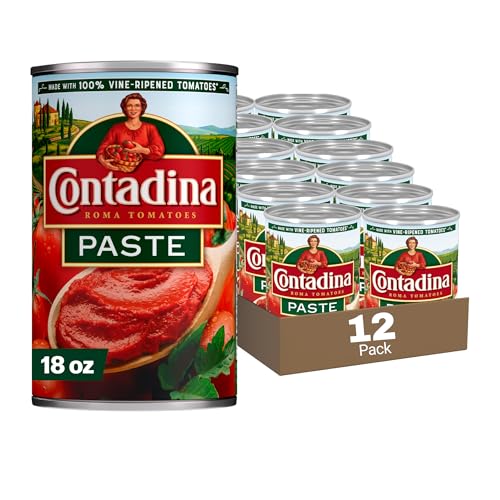

Step 1: Prepare Ingredients
Begin by gathering all your ingredients and equipment.
Chop the onions and mince the garlic finely.
Dice the tomatoes, ensuring they are roughly the same size for even cooking.
Measure out the lentils, broth, and coconut milk for easy access during cooking.





Step 2: Sauté Onions and Garlic
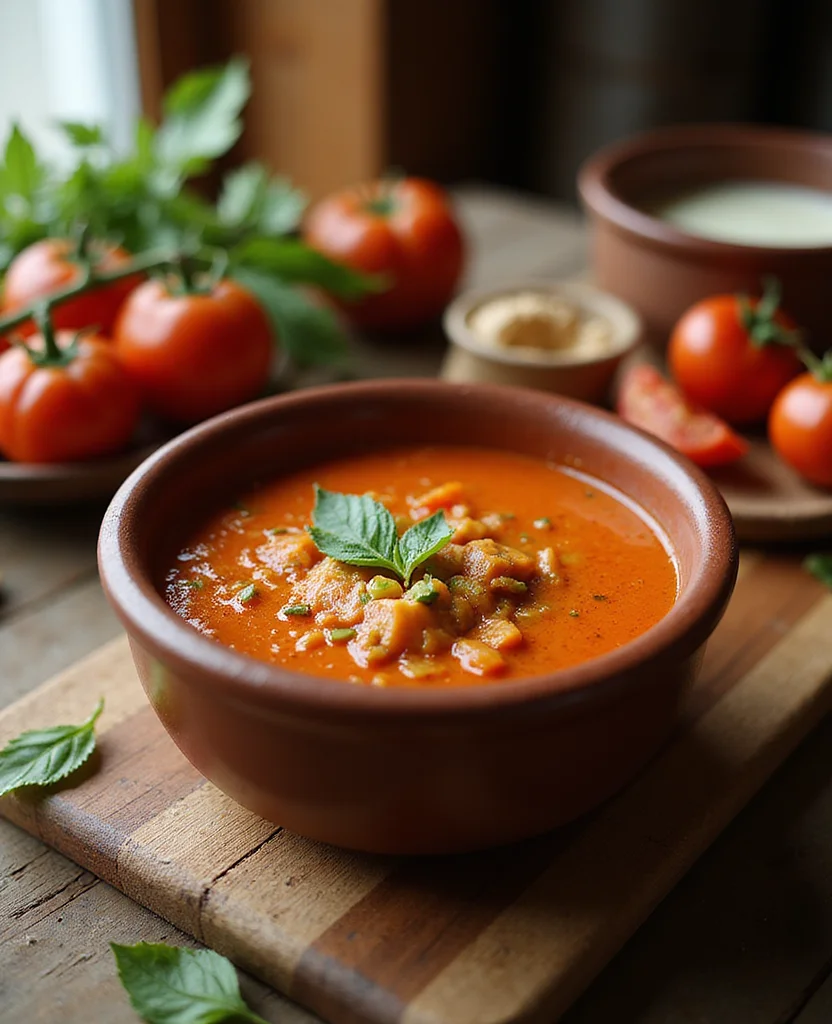
Heat olive oil in a large pot over medium heat.
Add the chopped onions and sauté until they become translucent, about 5 minutes.
Stir in the minced garlic and cook for another 1-2 minutes until fragrant.
Be careful not to let the garlic brown, as it can become bitter.


Step 3: Add Tomatoes and Seasonings
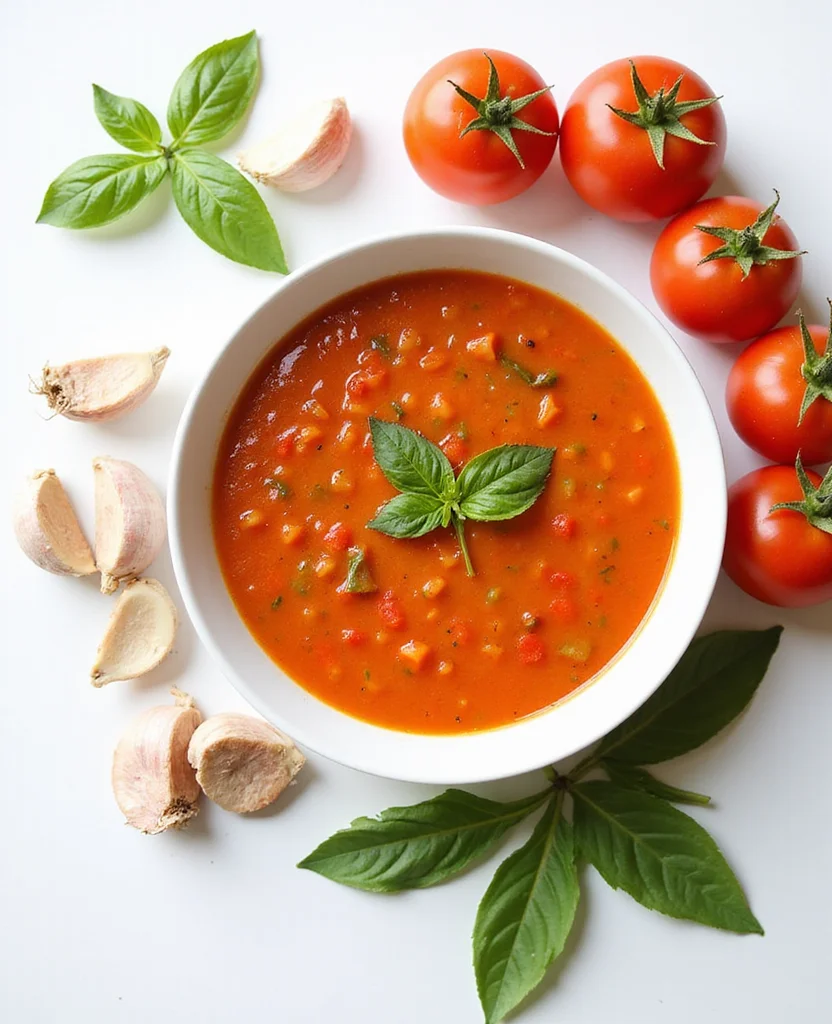
Add the diced tomatoes to the pot, stirring to combine with the onions and garlic.
Sprinkle in the salt, pepper, basil, and oregano.
Stir well to ensure the spices are evenly distributed.
Cook for 5-7 minutes until the tomatoes begin to break down.


Step 4: Incorporate Lentils and Broth
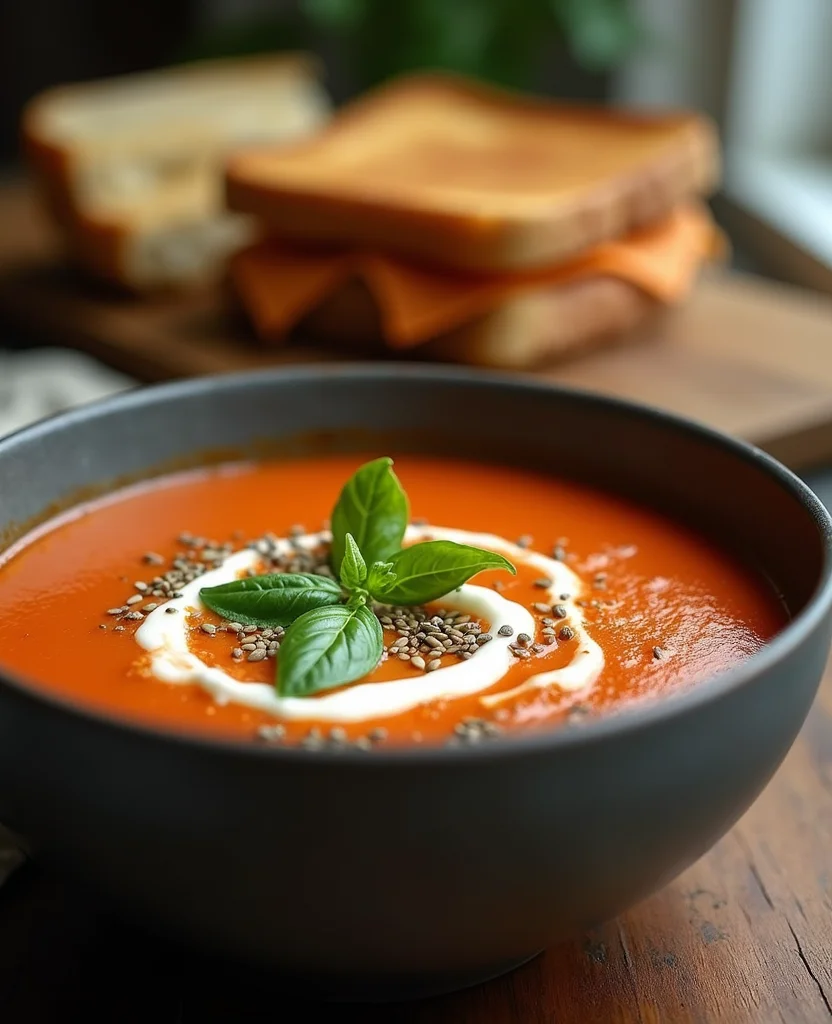
Add the cooked lentils to the pot, stirring to incorporate them with the tomato mixture.
Pour in the vegetable broth, ensuring everything is well mixed.
Bring the mixture to a light boil over medium-high heat.
Once boiling, reduce the heat to a simmer.

![Newness Soup Ladle, [Rustproof, Heat Resistance, Integral Forming] Resilient 304](https://m.media-amazon.com/images/I/316WUzDSZmL._SL500_.jpg)


Step 5: Simmer the Soup
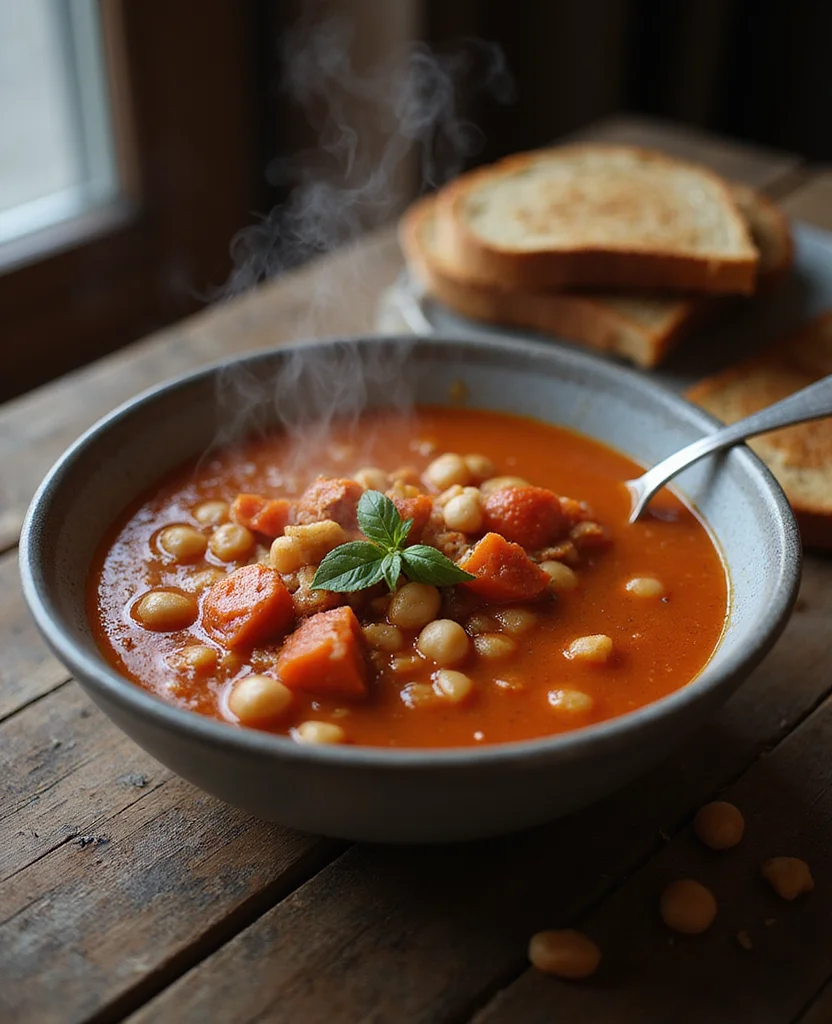
Allow the soup to simmer gently, uncovered, for 15-20 minutes.
Stir occasionally to prevent the lentils from sticking to the bottom.
Use a spoon to mash some of the tomatoes against the pot's side to release more juices.
This process will help thicken the soup naturally.




Step 6: Blend the Soup
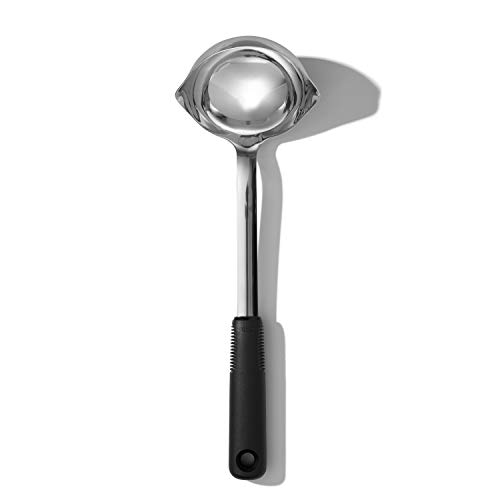
Carefully ladle the soup into a blender, filling only halfway to allow for expansion.
Blend until smooth, starting on a low speed and gradually increasing to high.
If necessary, blend in batches to ensure safety and efficiency.
Return the blended soup to the pot.



Step 7: Stir in Coconut Milk
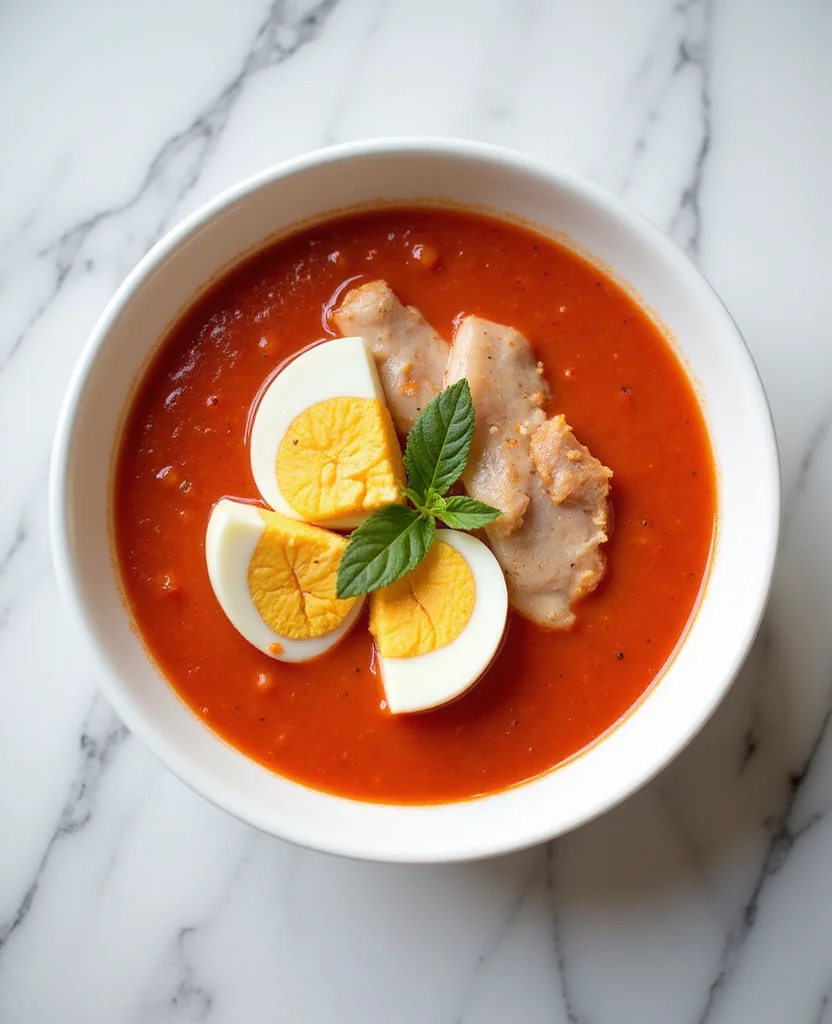
Pour the coconut milk into the pot with the blended soup.
Stir well to combine, ensuring the milk is evenly distributed.
Allow the soup to heat through for an additional 5 minutes.
Taste and adjust seasoning if necessary.



Step 8: Serve and Garnish
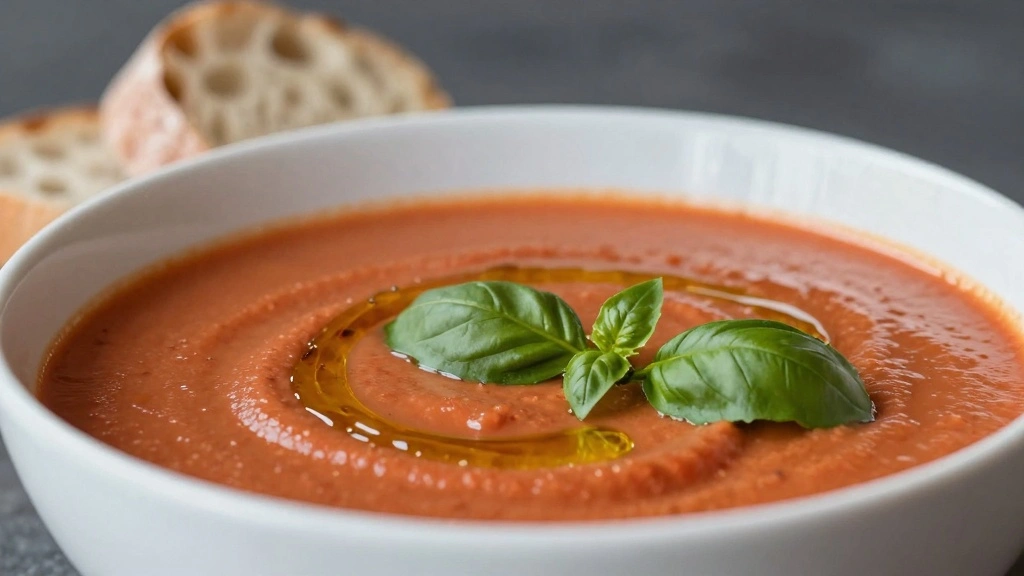
Ladle the soup into bowls for serving.
Garnish with fresh basil leaves or a drizzle of olive oil for added flavor.
Serve hot with crusty bread on the side.
Enjoy the rich, creamy texture and robust flavors of the soup.


Critical Timing and Temperature Guide
Sautéing Onions and Garlic: Medium heat for 5-7 minutes, look for translucency in onions and aroma from garlic. Avoid browning to prevent bitterness.
Simmering Soup: Low to medium heat for 15-20 minutes, check for a gentle bubble and occasional stirring to prevent sticking. Watch for thickening as an indicator of readiness.
Blending: Blend in batches for safety, starting on low speed. Ensure the lid is secure and hold it down to prevent splatters.


Pro Tips for High Protein Tomato
• Ingredient Selection: Choose ripe, fresh tomatoes for the best flavor and canned tomatoes as an alternative when out of season.
• Preparation Secret: Toasting the spices in the pot before adding liquids enhances their flavor and aroma, a step often skipped by home cooks.
• Temperature Management: Keep the simmer low to preserve the soup's texture and prevent overcooking the lentils.
• Texture Enhancement: Use a high-quality blender to achieve a velvety smooth texture that sets this soup apart from others.
• Flavor Layering: Adding the coconut milk at the end creates a creamy finish without overpowering the tomato base.
• Make-Ahead Strategies: Prepare the soup a day in advance and refrigerate, as flavors develop and deepen overnight. Reheat gently to serve.
• Restaurant-Quality Finishing Touches: Garnish with a swirl of pesto or a sprinkle of Parmesan cheese for an elegant touch.
• Equipment Optimization: Use an immersion blender directly in the pot for convenience, but ensure the soup is off the heat.
Troubleshooting Common Issues
• Soup Too Thin: This can occur if too much liquid is added or tomatoes aren't reduced enough. Simmer longer uncovered to thicken, or add more lentils for body.
• Soup Too Thick: If overly thick, gradually add more broth or coconut milk while stirring until the desired consistency is reached.
• Flavors Unbalanced: If the soup tastes flat, increase the salt or add a splash of vinegar for brightness. Adjust spices to enhance depth.
• Overpowering Tomato Taste: This can happen with overly ripe or canned tomatoes. Balance with a pinch of sugar or more coconut milk to mellow the acidity.
• Burnt Soup: If the bottom burns, don’t scrape it into the rest. Transfer the salvageable soup to a new pot and continue cooking.
• Soup Separated After Blending: This can happen if the soup is blended while too hot. Allow it to cool slightly before blending and blend in batches.




Variations and Regional Differences
• Tuscan Style: Features white beans instead of lentils and adds kale for a hearty texture. Often includes a touch of red pepper flakes for heat.
• Spanish Gazpacho: Served cold, incorporates raw blended tomatoes, cucumbers, and bell peppers, omitting the creaminess for a refreshing summer dish.
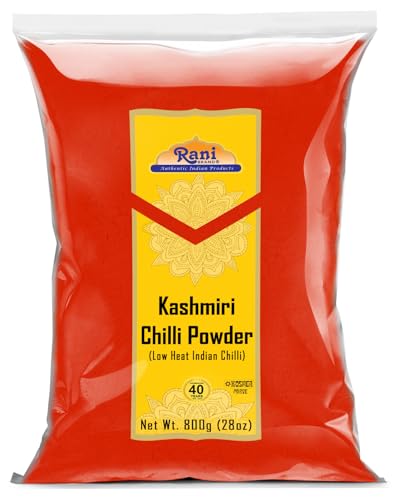
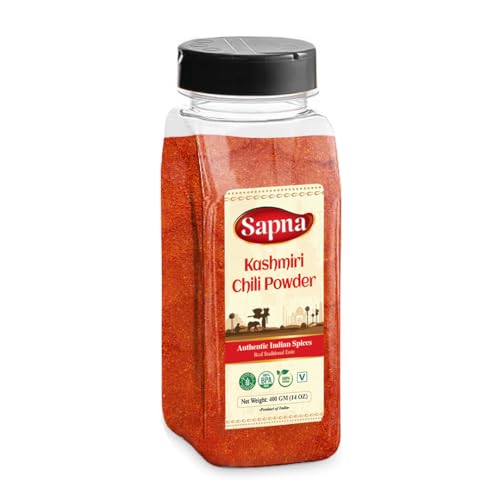
• Indian-Inspired: Uses garam masala and ginger for a spiced version, with chickpeas replacing lentils for protein.
• Mexican Twist: Adds roasted corn and jalapeños, topped with avocado slices and cilantro for a vibrant, spicy option.




Food Science Behind the Recipe
• Maillard Reaction: Sautéing onions and garlic initiates this reaction, enhancing the soup's flavor through browning.
• Emulsification: The addition of coconut milk creates a stable emulsion, giving the soup its creamy texture without separating.
• Protein Gelation: Lentils contribute to the soup's body through gelation, helping to thicken and add nutritional value.


Frequently Asked Questions
What's the most common mistake people make when preparing high protein tomato soup? Overlooking the importance of sautéing the onions and garlic properly, which is crucial for building the soup's foundational flavor.
Can I use canned tomatoes instead of fresh? Yes, canned tomatoes are a convenient alternative, especially in the off-season, but choose high-quality brands for the best taste.
How can I make this soup vegan? The recipe is already vegan-friendly as it uses coconut milk instead of dairy cream.
What other proteins can I use instead of lentils? Chickpeas, white beans, or even tofu can be used as alternative protein sources.
Can I freeze leftover soup? Yes, this soup freezes well for up to three months. Defrost in the refrigerator overnight before reheating.
How do I prevent the soup from becoming too acidic? Balancing with a pinch of sugar or adding more coconut milk can help mellow excessive acidity.
What are some good side dishes to serve with this soup? Crusty bread, grilled cheese sandwiches, or a light green salad pair well with this creamy soup.
Can I make this soup spicier? Yes, add a pinch of cayenne pepper or a sliced jalapeño to the simmering soup for extra heat.
Serving and Presentation Guide
• Traditional Presentation: Serve in wide bowls, garnished with fresh basil leaves and a drizzle of olive oil, with crusty bread on the side.
• Modern Plating: Use shallow soup plates for a minimalist look, garnished with microgreens and a swirl of coconut cream.
• Family Style: Present in a large soup tureen at the table, allowing guests to serve themselves, accompanied by a variety of bread options.
• Elegant Dinner Setting: Serve in smaller, elegant bowls as an appetizer, garnished with a Parmesan crisp for added texture and sophistication.


Conclusion
Embark on a culinary journey with this high protein tomato soup and discover the perfect balance of flavor and nutrition.
With its creamy texture and rich taste, it’s bound to become a staple in your recipe collection.
Whether for a cozy family meal or a sophisticated dinner party, this soup promises to impress with its simplicity and depth.
Try this recipe today and experience the comfort and satisfaction it brings to your table.