
Slow Cooker Recipes: Easy Meals, Less Effort!
Family-friendly dishes for busy people — quick prep, delicious results.
Grab yours for $4The delightful Greek Meatballs with Tzatziki Sauce offer a taste of the Mediterranean, combining savory spices with refreshing herbal notes.
These juicy and flavorful meatballs are a staple in Greek cuisine, celebrated for their simplicity and depth of flavor.
Whether you’re looking to impress at a dinner party or simply enjoy a comforting meal at home, this recipe delivers with its rich history and vibrant taste.
I first encountered this dish while exploring the sun-drenched coasts of Greece, where the aroma of fresh herbs and grilled meats filled the air.
Prepare for a culinary journey that promises not just a meal, but an experience that captures the essence of Greek hospitality and tradition.
The History and Cultural Significance
• Greek Meatballs trace their origins to ancient Greece, where they were initially created as a practical way to use and preserve meat.
• The dish evolved over decades as techniques and ingredients were refined, eventually becoming the beloved version we know today.
• In Greek culture, this dish traditionally appears at family gatherings and celebrations, symbolizing unity and joy.
• While many variations exist across different regions, the authentic version maintains the use of aromatic herbs and spices, setting it apart from imitations.



Recipe Overview
Nutritional Information (per serving)
Essential Equipment Guide
Mixing Bowl: A large mixing bowl is essential for combining the meat and spices thoroughly, ensuring even distribution of flavors. If unavailable, a wide, deep dish can suffice, but look for one with enough space to comfortably mix by hand.
Baking Sheet: A baking sheet is crucial for cooking the meatballs evenly in the oven. Alternatives include a roasting pan or any flat surface that can withstand high temperatures, but ensure it has a rim to catch any juices.
Microplane Zester: This tool is important for zesting lemon and grating garlic finely, essential for the Tzatziki Sauce’s flavor profile. A fine grater can be used instead, but ensure it’s capable of producing very fine zest and garlic.



Ingredients
For the Meatballs
|
| Amount | Ingredient | Notes |
|---|---|---|
| 500 grams | ground lamb | provides richness and traditional flavor |
| 1 medium | onion | finely chopped |
| 2 cloves | garlic | minced for depth |
| 1 cup | breadcrumbs | binds the mixture |
| 1 large | egg | helps hold the meatballs together |
| 2 tablespoons | fresh parsley | chopped, adds freshness |
| 1 teaspoon | dried oregano | aromatic seasoning |
| 1 teaspoon | cumin | adds warmth |
| 1 teaspoon | salt | enhances flavors |
| 0.5 teaspoon | black pepper | adds a hint of spice |
For the Tzatziki Sauce
| Amount | Ingredient | Notes |
|---|---|---|
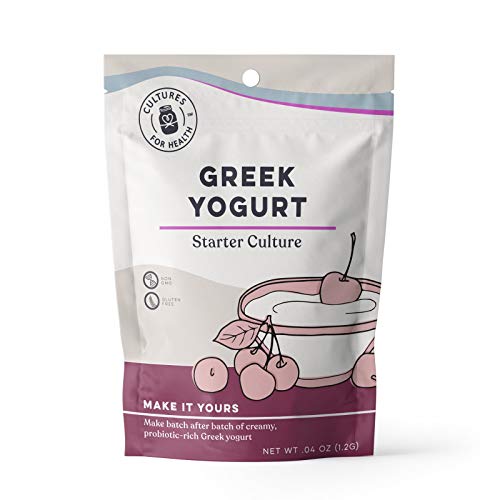
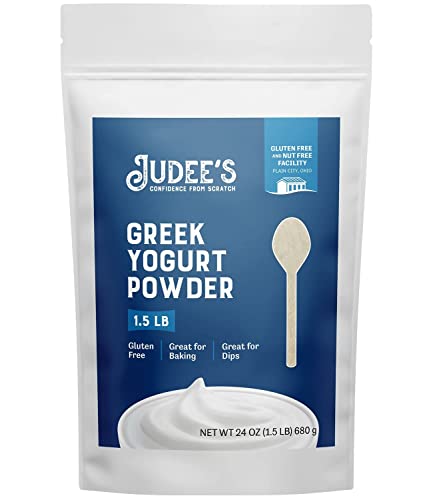
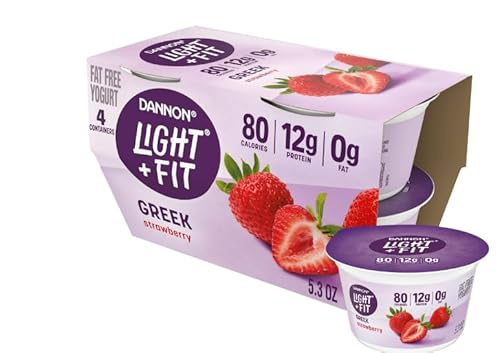
| 1 cup | Greek yogurt | creamy base |
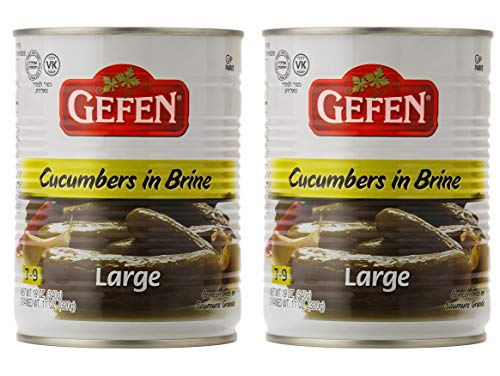
| 0.5 medium | cucumber | grated and drained |
| 1 clove | garlic | minced for flavor |
| 1 tablespoon | olive oil | smooth texture |
| 1 tablespoon | lemon juice | zesty brightness |
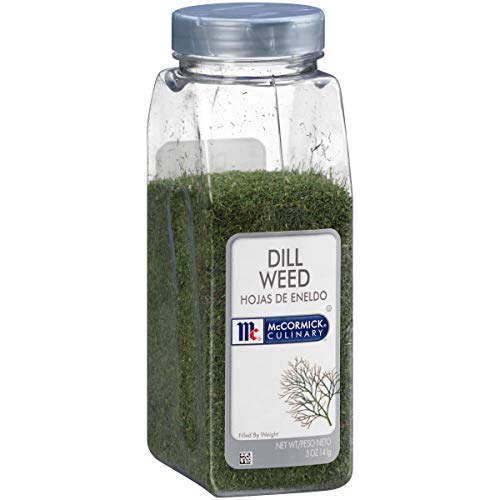
| 1 tablespoon | fresh dill | chopped, adds herbal note |
| 0.5 teaspoon | salt | enhances flavors |


Preparation Methods
Meatball Rolling: Rolling meatballs by hand allows for precise control over size and shape, ensuring uniform cooking. It's crucial for maintaining consistency in texture and flavor. Practice makes perfect, so keep your hands moistened with water or oil to prevent sticking.
Draining Cucumber: Removing excess water from the cucumber is vital for the Tzatziki Sauce to avoid a watery consistency. Use a cheesecloth or clean kitchen towel to squeeze out as much liquid as possible. This step ensures a thick, creamy sauce that clings to the meatballs.
Grating Garlic: Finely grating garlic releases its natural oils and intensifies its flavor, crucial for the sauce. Use a microplane for best results, and avoid over-grating to prevent bitterness.


Step 1: Prepare Ingredients
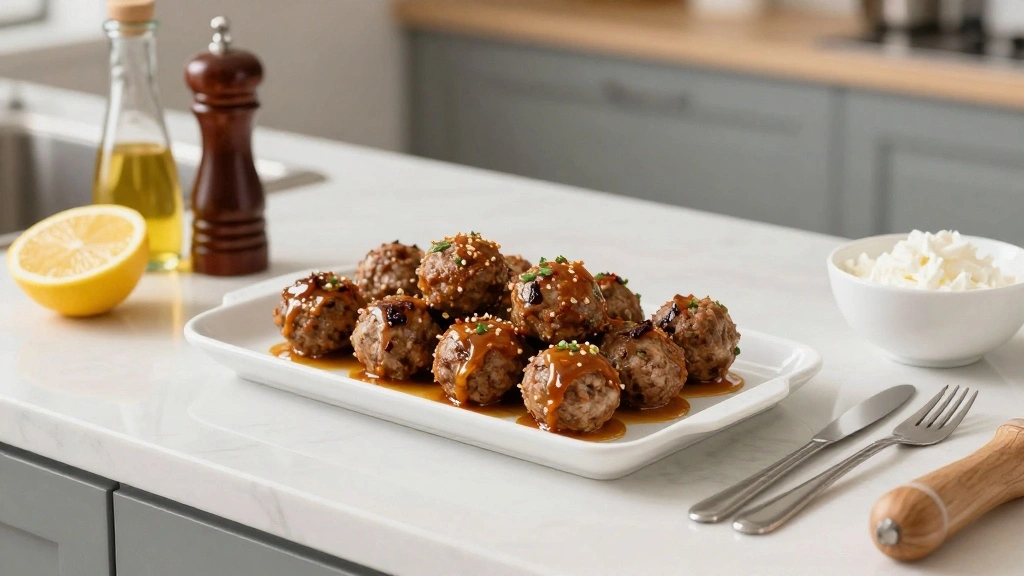
Gather all ingredients and utensils.
Ensure the onion and garlic are finely chopped.
Measure out the spices and have them ready.
Prepare a clean surface for mixing.

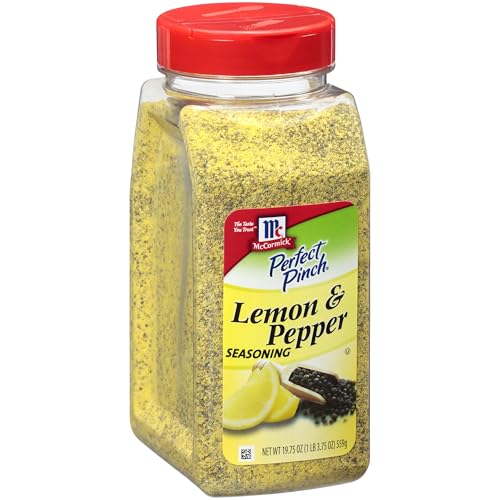


Step 2: Mix Meatball Ingredients

In a large mixing bowl, combine ground lamb, chopped onion, and minced garlic.
Add breadcrumbs, egg, parsley, oregano, cumin, salt, and pepper.
Mix thoroughly with hands until well combined.
Ensure the mixture is evenly distributed with no clumps.




Step 3: Form Meatballs
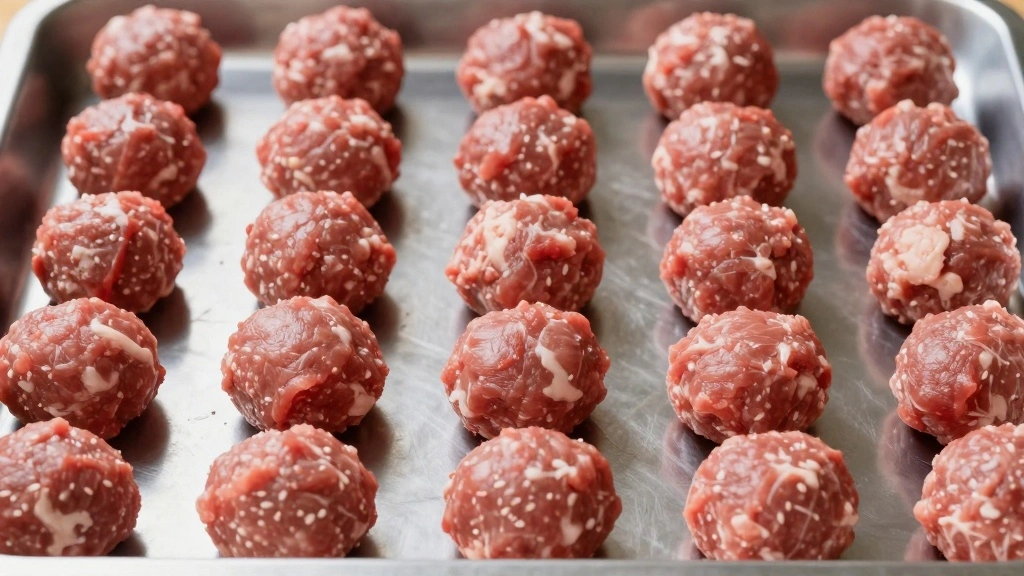
Moisten hands with water to prevent sticking.
Roll mixture into evenly sized balls, about 1 inch in diameter.
Place meatballs on a baking sheet lined with parchment paper.
Ensure they are evenly spaced to promote even cooking.


Step 4: Cook Meatballs
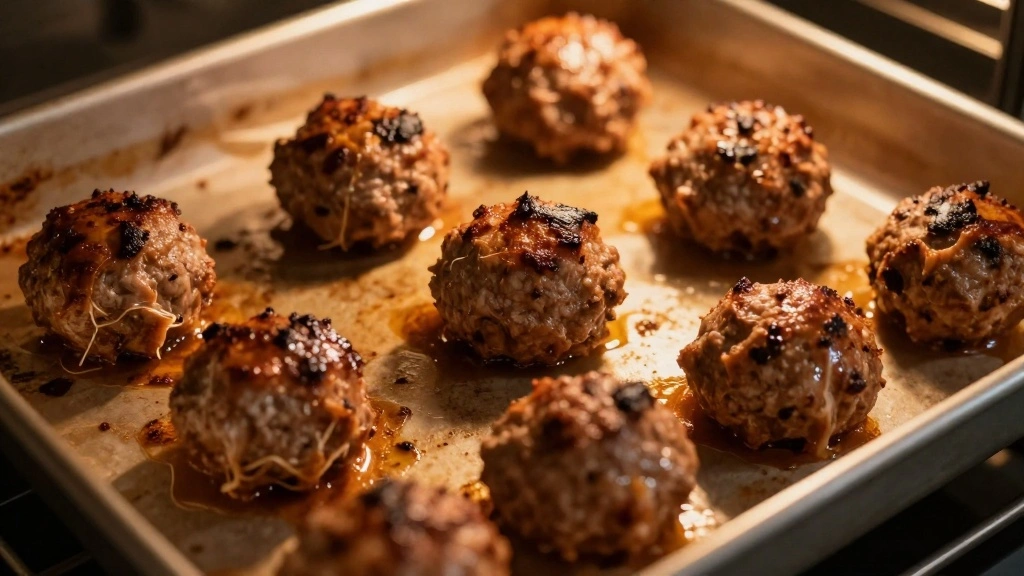
Preheat the oven to 375°F (190°C).
Place the baking sheet in the oven on the middle rack.
Bake meatballs for 20 minutes or until browned and cooked through.
Check for doneness with a meat thermometer (internal temp should be 160°F).




Step 5: Prepare Tzatziki Sauce
Grate the cucumber and squeeze out excess moisture using a cheesecloth.
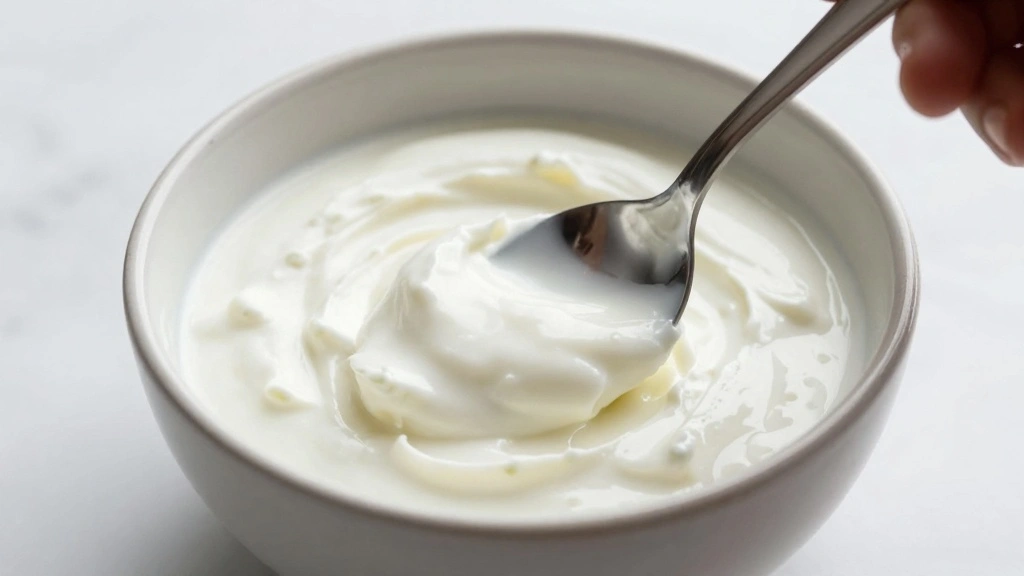
In a bowl, combine Greek yogurt, grated cucumber, minced garlic, olive oil, lemon juice, dill, and salt.
Mix until well combined and creamy.
Taste and adjust seasoning if necessary.


Step 6: Serve Meatballs
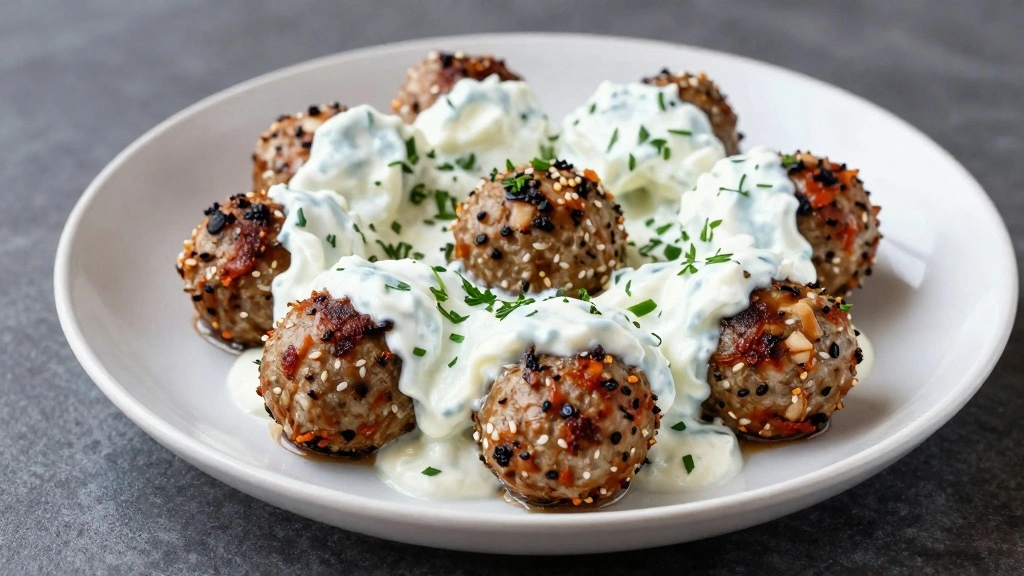
Transfer cooked meatballs to a serving platter.
Spoon or drizzle Tzatziki Sauce over the meatballs.
Garnish with additional fresh parsley or dill.
Serve immediately while warm.


Critical Timing and Temperature Guide
Meatball Cooking: Bake at 375°F (190°C) for exactly 20 minutes. Ensure even browning by rotating the tray halfway through. Avoid opening the oven too often to maintain consistent temperature.
Tzatziki Sauce Preparation: Prepare at room temperature to allow flavors to meld. Taste and adjust seasoning after resting for at least 10 minutes.
Serving Temperature: Serve meatballs warm and Tzatziki Sauce chilled. This contrast enhances the flavor profile and texture.


![Freshware Meal Prep Containers [50 Pack] 1 Compartment Food Storage](https://m.media-amazon.com/images/I/51r57NZnmfL._SL500_.jpg)

Pro Tips for Greek Meatballs
• Ingredient Selection: Opt for high-quality ground lamb for authentic flavor, and use fresh herbs for the best aromatic profile.
• Preparation Secret: Let the meatball mixture rest for a few minutes before rolling to allow flavors to meld.
• Temperature Management: Bring meat to room temperature before cooking for even browning.
• Texture Enhancement: Avoid over-mixing the meatball ingredients to prevent a dense texture.
• Flavor Layering: Use a combination of fresh and dried herbs to build complexity.
• Make-Ahead Strategies: Prepare the meatball mixture in advance and store in the refrigerator for up to 24 hours before cooking.
• Restaurant-Quality Finishing Touches: Finish with a sprinkle of sea salt and a drizzle of olive oil for a polished presentation.
• Equipment Optimization: Use a microplane for fine grating of garlic and zesting, which enhances the sauce's flavor.
Troubleshooting Common Issues
• Texture Too Dense: Caused by over-mixing or compacting the meatballs too tightly. Gently mix ingredients and form balls with a light touch to avoid this.
• Flavors Unbalanced: Often due to incorrect seasoning ratios. Taste the mixture before cooking and adjust salt and spices as needed.
• Meatballs Falling Apart: This can happen if the mixture lacks binding agents like egg or breadcrumbs. Ensure these are measured accurately and incorporated well.
• Sauce Too Watery: Ensure cucumber is thoroughly drained. If necessary, thicken with a small amount of Greek yogurt.
• Undercooked Meatballs: Use a meat thermometer to check internal temperature, aiming for 160°F to ensure safety and doneness.


Variations and Regional Differences
• Athenian Style: Incorporates additional spices like cinnamon and nutmeg for a warm, aromatic profile, reflecting regional taste preferences.
• Cretan Variation: Uses a mix of ground lamb and beef, adding depth and complexity to the flavor.
• Spartan Simplicity: Focuses on minimal ingredients, highlighting the quality of meat and simplicity of preparation.
• Island Influence: Adds fresh mint and lemon zest for a bright, refreshing twist suitable for summer dining.


Food Science Behind the Recipe
• Maillard Reaction: This browning process enhances flavor and texture in the meatballs, creating a savory crust that contrasts with the tender interior.
• Emulsion in Sauce: The combination of yogurt, olive oil, and lemon juice creates a stable emulsion, ensuring a smooth and creamy Tzatziki Sauce.
• Protein Binding: The role of egg and breadcrumbs is crucial in binding the meatball mixture, preventing them from falling apart during cooking.


Frequently Asked Questions
What's the most common mistake people make when preparing Greek Meatballs? Over-mixing the meatball mixture, leading to a dense texture. Handle the mixture gently and stop mixing as soon as the ingredients are combined.
Can I freeze the meatballs? Yes, freeze uncooked meatballs on a baking sheet, then transfer to a freezer bag. Cook from frozen, adding a few extra minutes to the baking time.
What can I use instead of lamb? Ground beef or a blend of beef and pork can be used as an alternative, though the flavor profile will differ slightly.
How do I prevent the Tzatziki Sauce from becoming watery? Thoroughly drain the grated cucumber and use full-fat Greek yogurt for a thicker consistency.
How can I make the dish spicier? Add a pinch of red pepper flakes to the meatball mixture for a subtle heat.
Is it possible to make this dish dairy-free? Use a dairy-free yogurt alternative for the Tzatziki Sauce to accommodate dietary restrictions.
What sides pair well with this dish? Serve with a Greek salad, pita bread, or roasted vegetables to complement the flavors.
Serving and Presentation Guide
• Traditional Presentation: Serve meatballs on a large platter with the Tzatziki Sauce in a separate bowl for dipping.
• Modern Style: Plate individually with a smear of Tzatziki Sauce beneath the meatballs, garnished with microgreens.
• Family Style: Arrange meatballs in a large dish with sauce drizzled over the top, perfect for communal dining.
• Appetizer Serving: Skewer meatballs with cocktail sticks for easy eating, ideal for party settings.



Conclusion
Embark on a flavorful journey with these Greek Meatballs and Tzatziki Sauce, where tradition meets taste in every bite.
This recipe offers a perfect balance of savory and refreshing elements, showcasing the best of Greek culinary heritage.
Gather your ingredients and enjoy a dish that promises to impress both your family and guests with its authentic taste and inviting aroma.