
Slow Cooker Recipes: Easy Meals, Less Effort!
Family-friendly dishes for busy people — quick prep, delicious results.
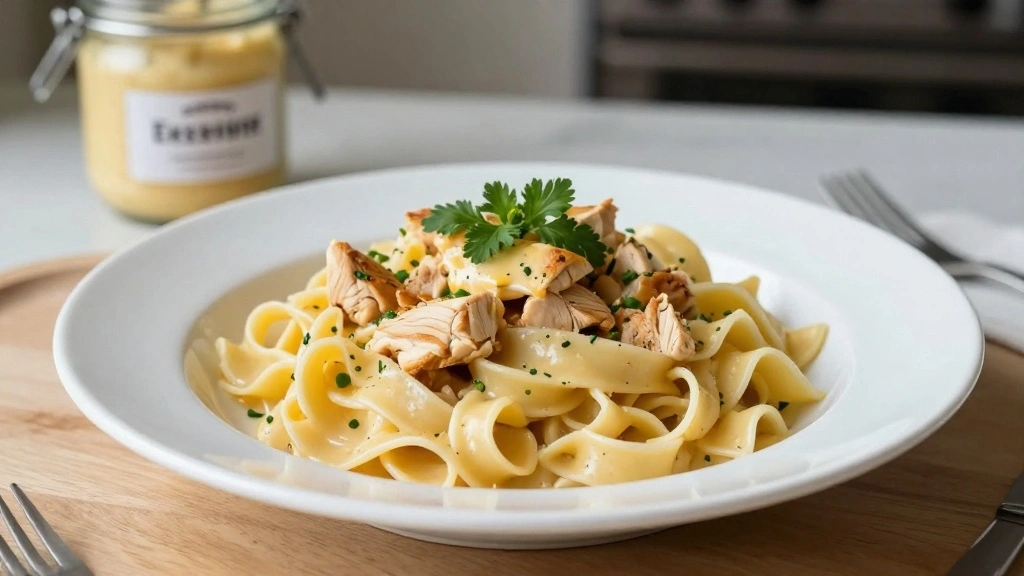
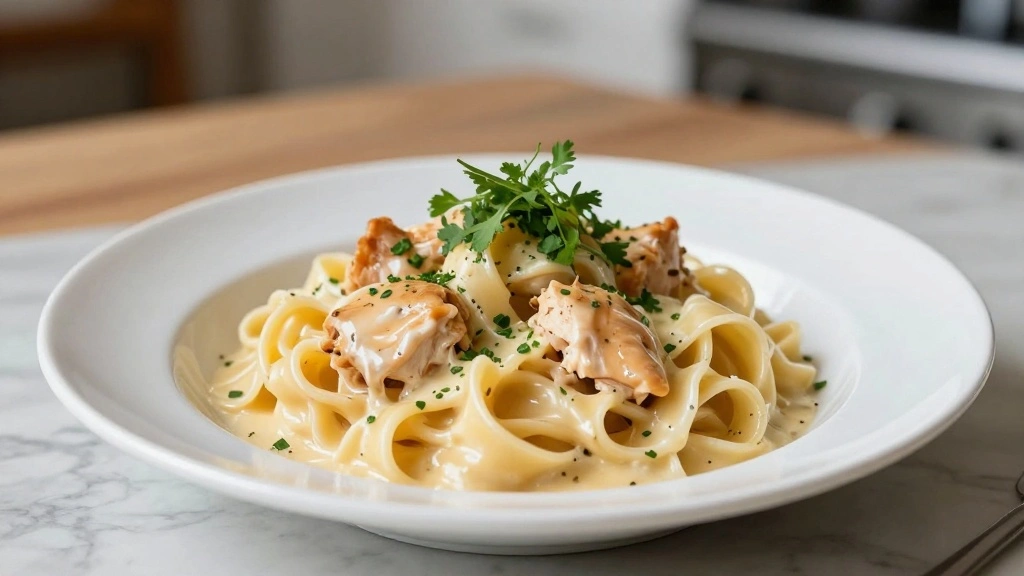
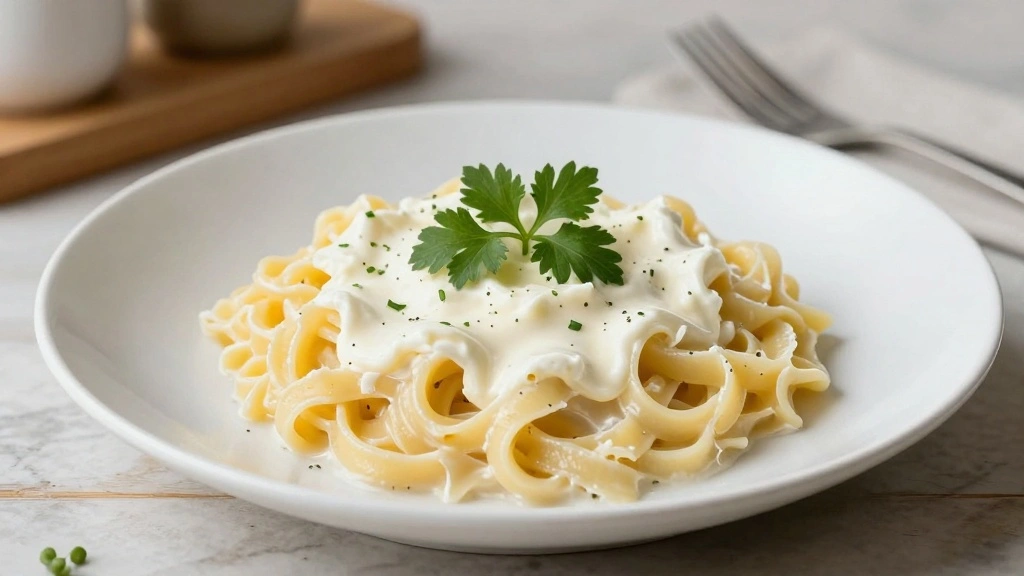
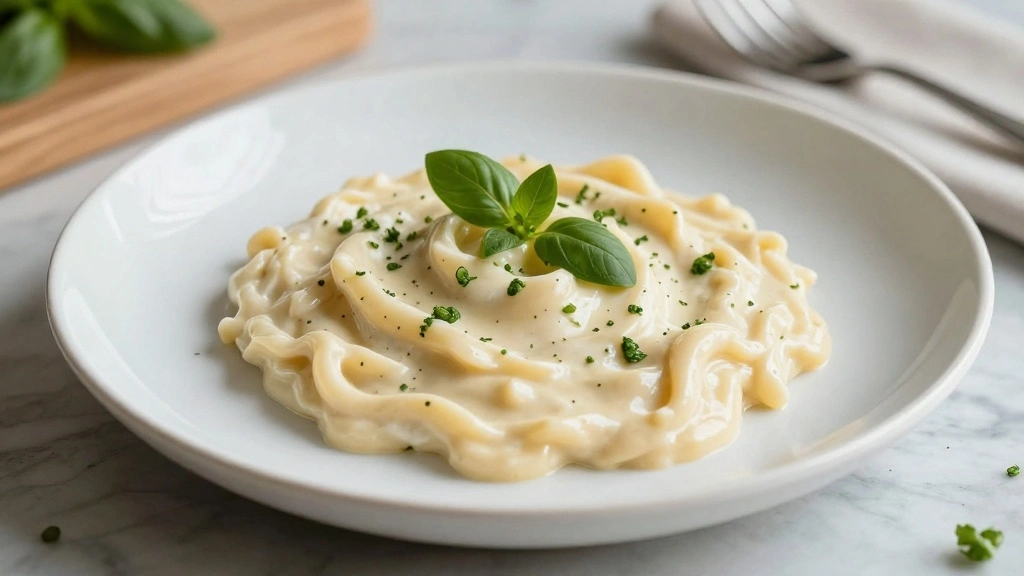
Grab yours for $4Imagine a creamy, velvety sauce clinging perfectly to your favorite pasta—this is the magic of Cream Cheese Alfredo.
With a rich, indulgent flavor profile, this sauce is a delightful twist on the traditional Alfredo.
The addition of cream cheese offers a tangy depth that enhances the classic buttery and cheesy notes.
Perfect for a cozy dinner or a special occasion, this dish is both comforting and elegant.
Easy to prepare with foolproof results, you’ll find yourself reaching for this recipe time and time again.
The History and Cultural Significance
• Cream Cheese Alfredo traces its origins to early 20th-century Italy, where it was originally created by chef Alfredo di Lelio.
• The dish evolved over decades as American chefs added cream and cream cheese, eventually becoming the beloved version we know today.
• In Italian-American culture, this dish traditionally appears at family gatherings, symbolizing warmth and togetherness.
• While many variations exist across different regions, the authentic version maintains a creamy texture and rich flavor that sets it apart from imitations.


Recipe Overview
Nutritional Information (per serving)
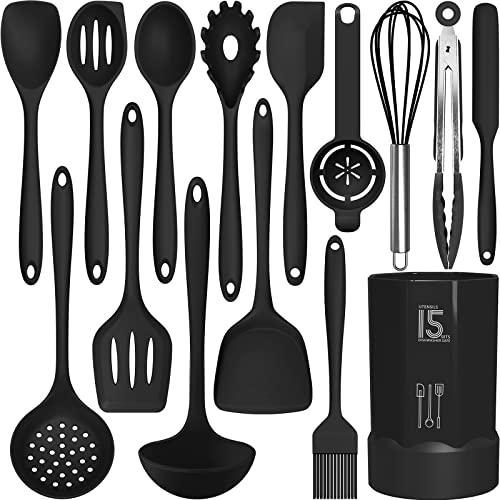
Essential Equipment Guide
Heavy Saucepan: A heavy-bottomed saucepan ensures even heat distribution, preventing the sauce from scorching. Alternatives include a non-stick skillet or a Dutch oven, but look for a pan with a thick base.
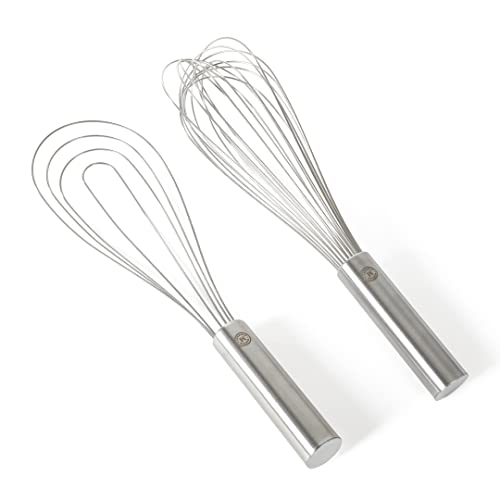
Whisk: A whisk is crucial for achieving a smooth, lump-free sauce. A silicone-coated whisk is ideal to prevent scratching non-stick surfaces.
Wooden Spoon: A wooden spoon is perfect for stirring and tasting, offering a comfortable grip and preventing heat transfer. Metal spoons can be used but may conduct heat.



Ingredients
For the Sauce
|
| Amount | Ingredient | Notes |
|---|---|---|
| 2 tablespoons | unsalted butter | adds richness |
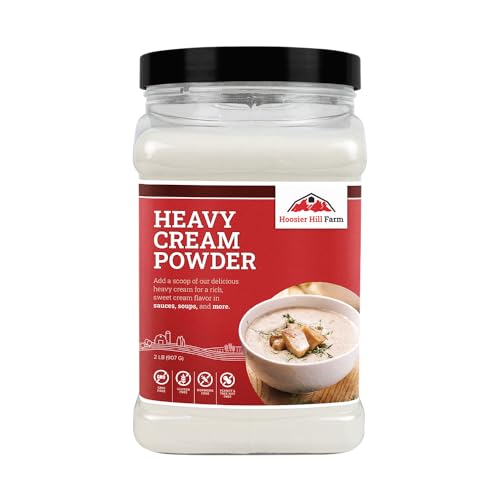
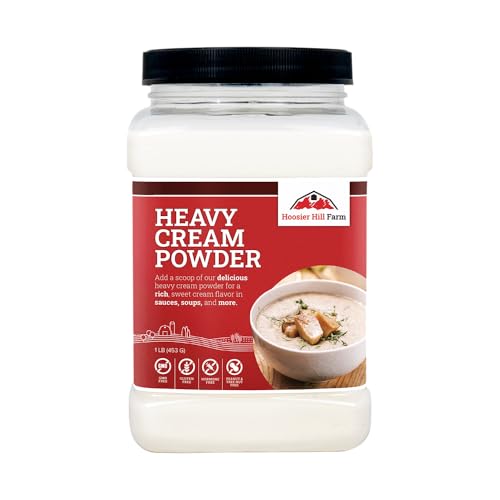
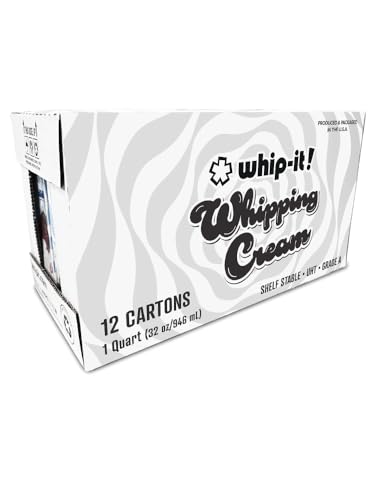
| 1 cup | heavy cream | provides a creamy base |
| 4 ounces | cream cheese | creates a smooth texture |
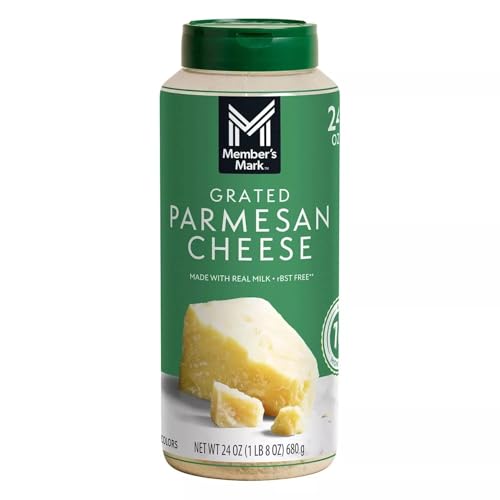
| 1 cup | Parmesan cheese | freshly grated for authentic flavor |
| 1 teaspoon | garlic powder | enhances flavor |
| 1/4 teaspoon | black pepper | adds a mild kick |
Seasonings
| Amount | Ingredient | Notes |
|---|---|---|
| 1/2 teaspoon | salt | to taste |
| 1/4 teaspoon | nutmeg | optional, for warmth |




Preparation Methods
Melting Butter: Gently melt butter over low heat to prevent burning and ensure it mixes well with cream. Stir continuously and watch for a golden hue.
Incorporating Cream Cheese: Gradually incorporate cream cheese into the sauce by cutting it into small pieces for an even melt. Use a whisk to achieve a smooth consistency.
Simmering: Allow the sauce to gently simmer to thicken naturally. Avoid boiling, which can cause separation. Stir occasionally to prevent sticking.




Step 1: Prepare Ingredients
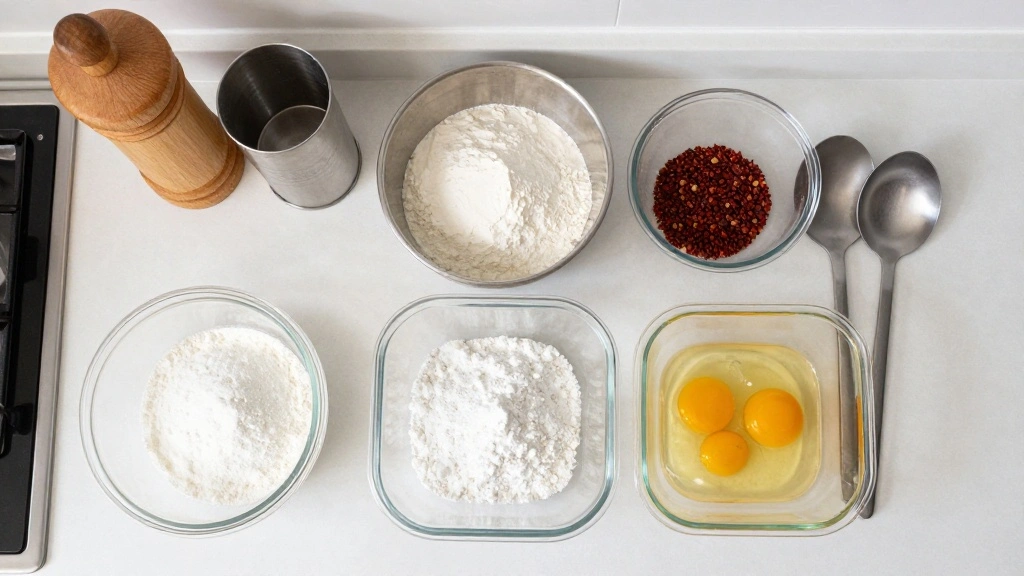
Gather all ingredients.
Measure each ingredient accurately.
Ensure all ingredients are at room temperature.
This ensures even cooking and smooth blending.


Step 2: Melt Butter
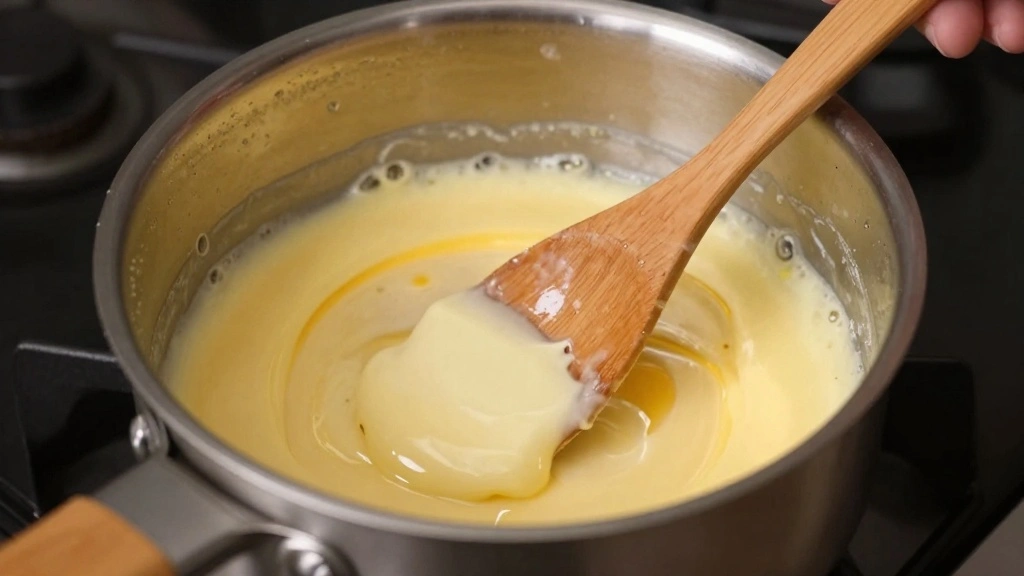
Place a heavy saucepan over low heat.
Add 2 tablespoons of unsalted butter.
Stir occasionally until melted and slightly golden.
Be careful not to let the butter brown.


Step 3: Add Cream
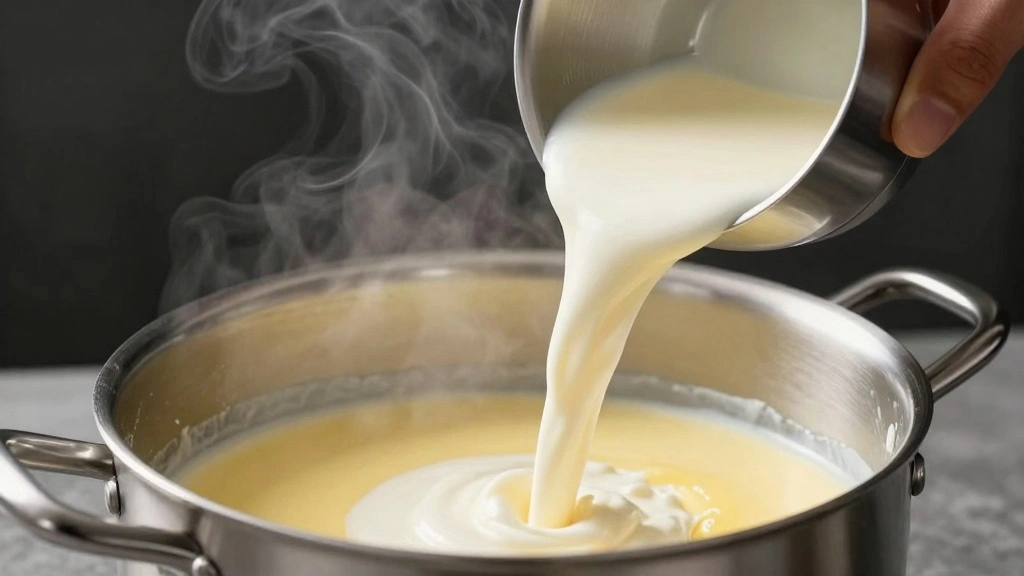
Pour 1 cup of heavy cream into the melted butter.
Increase heat to medium-low.
Stir continuously to combine.
Watch for bubbles forming around the edges.





Step 4: Incorporate Cream Cheese
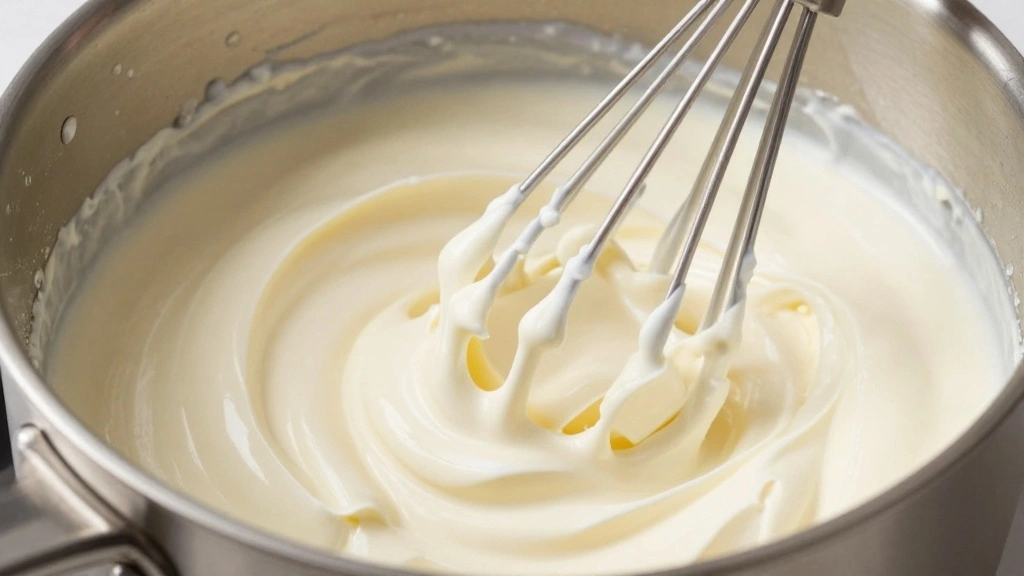
Cut cream cheese into small cubes.
Add cubes gradually to the saucepan.
Whisk continuously to ensure smooth melting.
The sauce should become creamy and lump-free.


Step 5: Add Parmesan Cheese
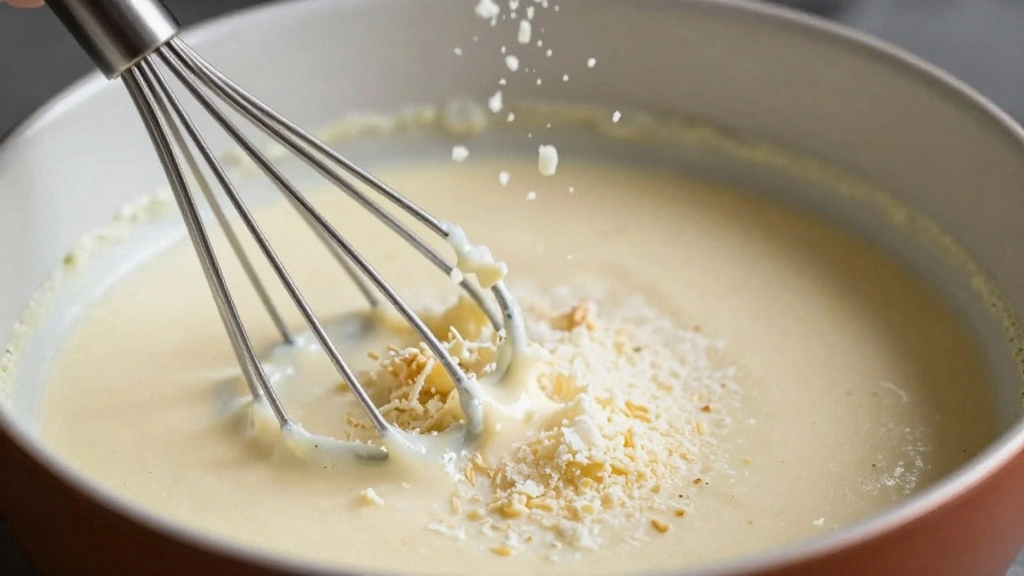
Grate 1 cup of Parmesan cheese finely.
Add it to the sauce slowly.
Continue whisking to incorporate.
The sauce should thicken and become glossy.


Step 6: Season the Sauce
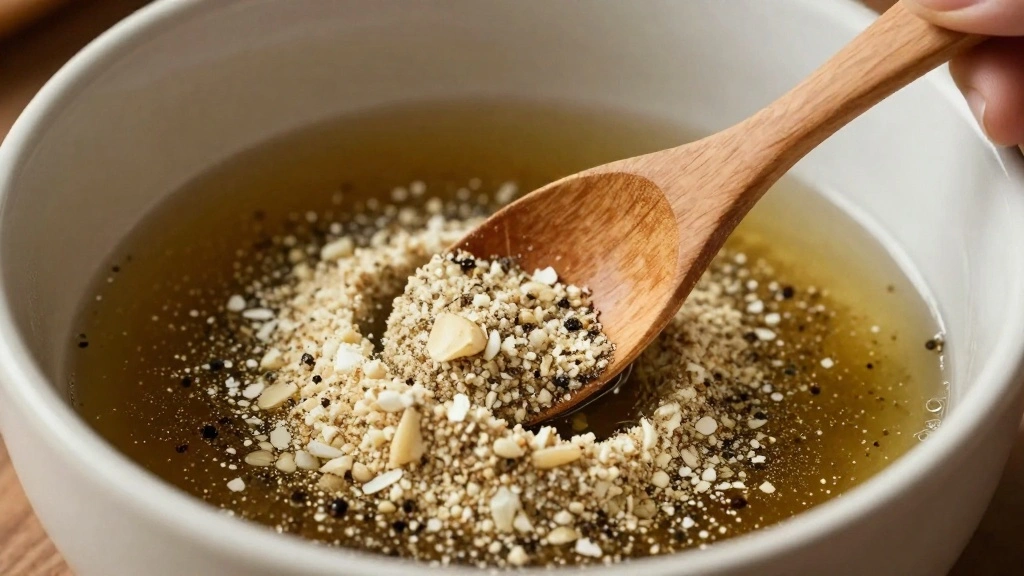
Sprinkle 1 teaspoon of garlic powder into the sauce.
Add 1/4 teaspoon of black pepper.
Stir well to distribute seasonings evenly.
Taste and adjust salt as needed.




Step 7: Simmer the Sauce

Lower the heat to maintain a gentle simmer.
Allow the sauce to thicken naturally.
Stir occasionally to prevent sticking.
The sauce should coat the back of a spoon.


Step 8: Final Adjustments
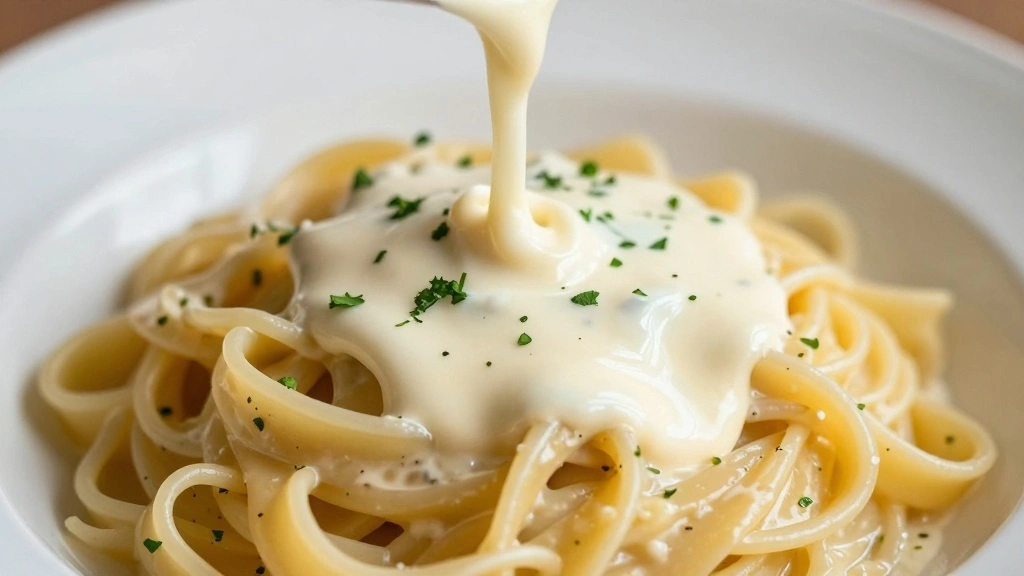
Check the sauce consistency.
If too thick, add a splash of cream and stir.
If too thin, simmer a bit longer.
Serve immediately over pasta, garnished with fresh herbs.





Critical Timing and Temperature Guide
Melting Butter: Melt butter over low heat for about 2-3 minutes, watching for a slight color change without browning.
Simmering the Sauce: Maintain a gentle simmer at medium-low heat for 5-7 minutes, looking for a thickened sauce that coats the back of a spoon without boiling.
Incorporating Cheese: Add cheese gradually, ensuring each batch melts completely at medium-low heat, to avoid clumping or separation.


Pro Tips for Cream Cheese Alfredo
• Ingredient Selection: Use high-quality Parmesan cheese for the best flavor; freshly grated is preferred for its superior melting properties.
• Preparation Secret: Let cream cheese come to room temperature before use, ensuring smooth incorporation without lumps.
• Temperature Management: Keep the heat low to avoid breaking the sauce; sudden temperature changes can cause curdling.
• Texture Enhancement: Whisk continuously while adding cream cheese to achieve a silky smooth consistency.
• Flavor Layering: Add a pinch of nutmeg for a subtle warmth that enhances the sauce's depth.
• Make-Ahead Strategies: Prepare the sauce up to a day in advance, refrigerate, and gently reheat over low heat before serving.
• Restaurant-Quality Finishing Touches: Garnish with freshly cracked black pepper and a sprinkle of chopped parsley for a polished look.
• Equipment Optimization: Use a silicone whisk to prevent scratching your cookware and to ensure even distribution of ingredients.
Troubleshooting Common Issues
• Sauce Too Thin: This can happen if the heat is too high or the cream is not reduced enough. Simmer the sauce longer and stir frequently until it thickens.
• Sauce Too Thick: If the sauce is too thick, gradually add more cream or reserved pasta water while stirring to achieve the desired consistency.
• Sauce Separating: Occurs when the heat is too high. Lower the heat, whisk continuously, and add a small amount of cream to bring it back together.
• Cheese Clumps: Cheese can clump if added too quickly. Ensure slow incorporation with constant whisking and use freshly grated cheese.
• Lack of Flavor: Can result from under-seasoning. Taste and adjust with salt, pepper, and garlic powder, or add a splash of lemon juice for brightness.


Variations and Regional Differences
• American Style: Typically includes heavy cream and cream cheese for extra richness, differing from the original Italian version, which uses only butter and Parmesan.
• Italian-Authentic: Focuses on simplicity with just butter, Parmesan, and pasta water, emphasizing the quality of ingredients.
• Vegetarian Variation: Includes sautéed mushrooms and spinach to add texture and flavor while keeping the dish meat-free.
• Seafood Alfredo: Adds shrimp or scallops, integrating seafood flavors into the creamy sauce for a luxurious twist.


Food Science Behind the Recipe
• Emulsification: The process of combining fat (butter and cream) with water-based ingredients (cream cheese), which is stabilized by the proteins in the cheese.
• Maillard Reaction: Occurs when butter browns slightly, developing flavor compounds that add depth to the sauce.
• Thickening: Heavy cream and cheese proteins thicken the sauce as it simmers, aided by gradual heating and consistent stirring.


Frequently Asked Questions
What's the most common mistake people make when preparing Cream Cheese Alfredo? Overheating the sauce can cause it to separate. Keep the heat low and stir continuously.
Can I use pre-grated Parmesan cheese? Pre-grated cheese often contains anti-caking agents that can affect melting. Freshly grated cheese is recommended.
How can I make the sauce lighter? Substitute half-and-half for heavy cream or use milk, but note the sauce will be less rich.
Is it possible to reheat leftovers? Yes, gently reheat over low heat, adding a splash of cream or milk to restore consistency.
What pasta is best with this sauce? Fettuccine is traditional, but any pasta that holds sauce well will work, such as penne or linguine.
How can I add more flavor? Incorporate herbs like basil or oregano, or add a dash of white wine for a unique twist.
Can I make this sauce dairy-free? Use dairy-free cream cheese and coconut cream as substitutes, but expect a slight change in flavor.
Serving and Presentation Guide
• Traditional Presentation: Serve over freshly cooked fettuccine, topped with a sprinkle of Parmesan and cracked pepper.
• Elevated Serving: Pair with grilled chicken or shrimp, garnished with fresh basil leaves and a wedge of lemon.
• Family-Style Platter: Serve in a large dish for sharing, surrounded by garlic bread and a mixed green salad.
• Individual Portions: Plate with a side of roasted vegetables for a balanced meal, finished with a drizzle of olive oil.



Conclusion
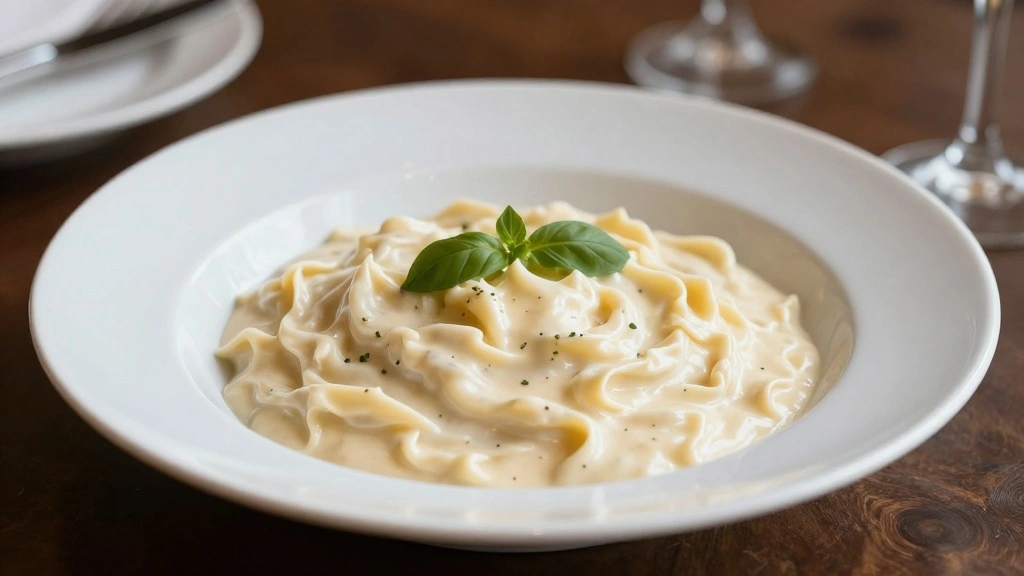
Cream Cheese Alfredo Sauce is a delightful twist on a beloved classic, combining rich flavors with a creamy texture.
Whether you're a novice cook or a seasoned chef, this recipe offers a foolproof way to impress your family and friends.
The next time you're craving comfort food with a touch of elegance, give this Cream Cheese Alfredo a try.
Your taste buds will thank you for this indulgent and satisfying experience.