
Slow Cooker Recipes: Easy Meals, Less Effort!
Family-friendly dishes for busy people — quick prep, delicious results.
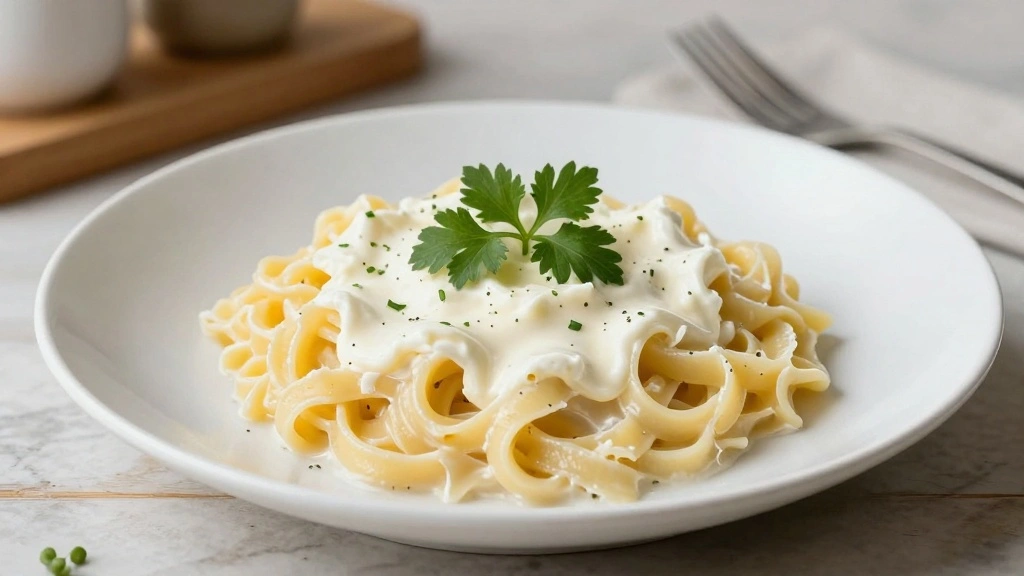
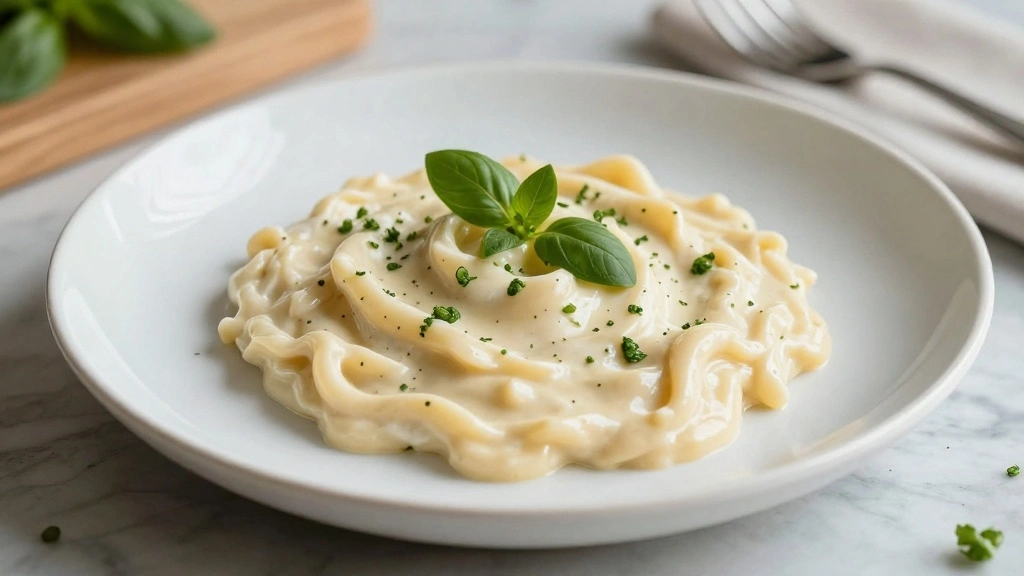
Grab yours for $4This classic Hollandaise Sauce brings together centuries of culinary tradition with modern techniques to create a dish that’s both comforting and elegant.
The harmonious balance of buttery richness and a hint of tangy lemon creates a memorable dining experience that will have everyone asking for your secret.
I discovered this recipe during my travels through France, where local chefs have perfected it through generations of careful refinement.
Whether you’re preparing a casual family brunch or hosting a special celebration, this Hollandaise Sauce delivers impressive results with straightforward preparation.
The History and Cultural Significance
• Hollandaise Sauce traces its origins to France in the 17th century, where it was originally created by chefs seeking to emulate Dutch culinary styles.
• The dish evolved over decades as chefs began using clarified butter and lemon, eventually becoming the beloved version we know today.
• In French culture, this sauce traditionally appears at brunch and special occasions, symbolizing culinary refinement and elegance.
• While many variations exist across different regions, the authentic version maintains its silky texture and balanced flavor that sets it apart from imitations.


Recipe Overview
Nutritional Information (per serving)
Essential Equipment Guide
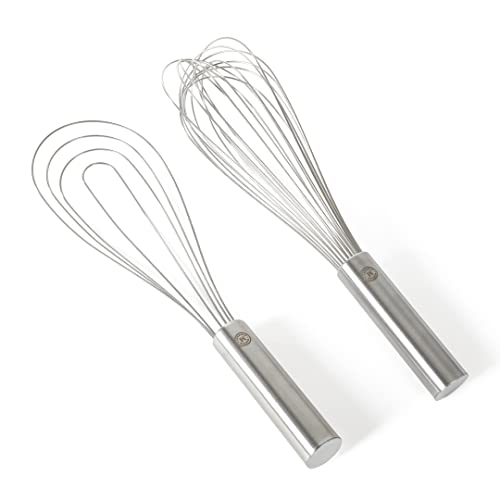
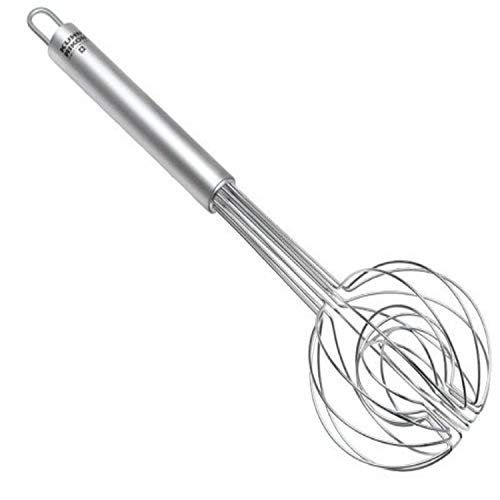
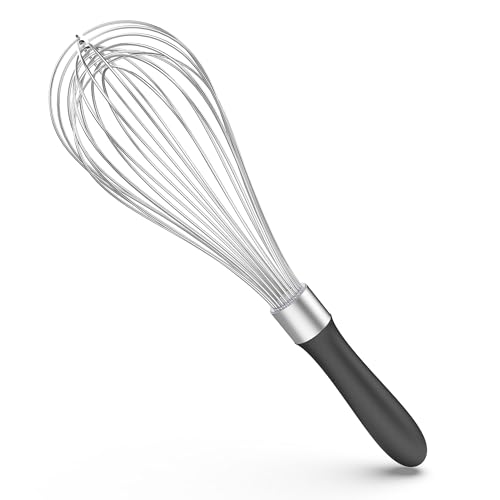
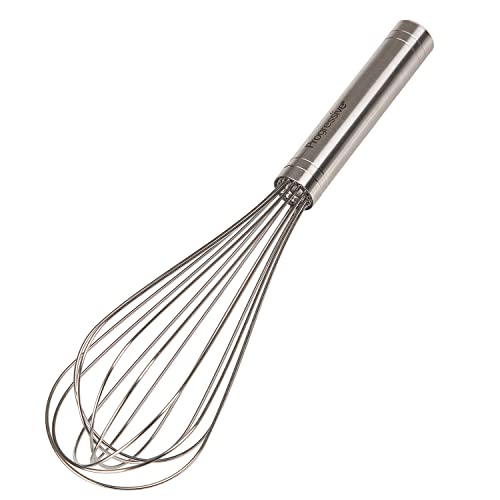
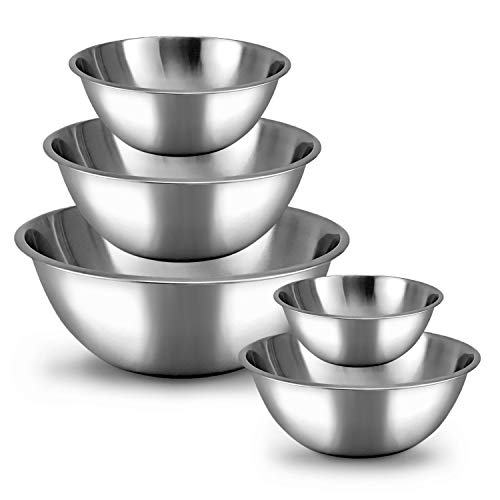
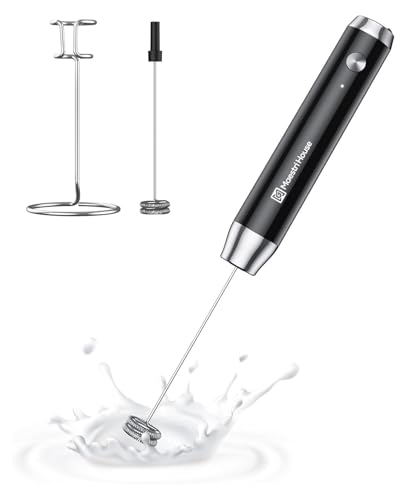
Whisk: A whisk is crucial for emulsifying the sauce, ensuring a smooth and creamy texture. Alternatives like a fork or spoon can work, but they require more effort. Look for a balloon whisk for the best results.
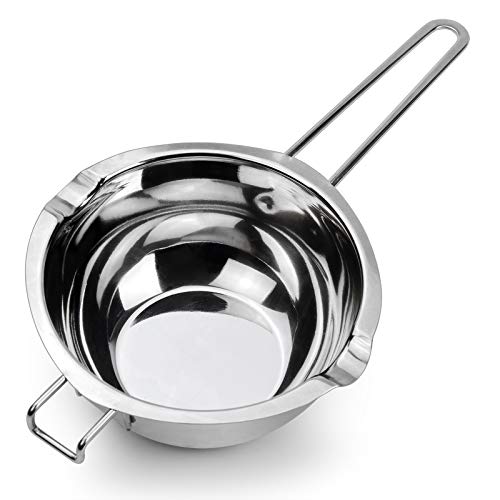
Double Boiler: Using a double boiler helps control the heat, preventing the eggs from cooking too quickly. If unavailable, a heatproof bowl over a pot of simmering water can suffice.
Instant-Read Thermometer: This tool ensures you maintain the correct temperature, as overheating can cause the sauce to break. A digital thermometer with a quick response time is ideal.


Ingredients
For the Sauce
|
| Amount | Ingredient | Notes |
|---|---|---|
| 2 large | egg yolks | provides richness and emulsification |
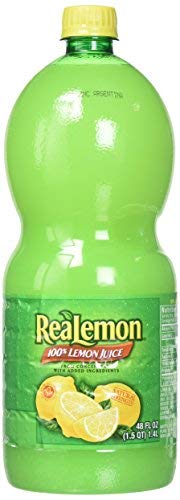
| 1 tablespoon | lemon juice | adds acidity and flavor |
| 8 tablespoons | unsalted butter | melted and clarified for smoothness |
| 1 pinch | salt | enhances overall flavor |
| 1 pinch | cayenne pepper | optional, for a subtle kick |


Preparation Methods
Clarifying Butter: This involves melting butter and separating the milk solids for a smoother sauce. It ensures a pure, silky texture crucial for Hollandaise.
Emulsification: The process of combining egg yolks and butter into a stable mixture. It's vital for achieving the creamy consistency, requiring precise whisking and temperature control.
Tempering: Gradually introducing heat to the egg yolks, preventing them from scrambling. This step is essential for maintaining the sauce's smooth texture.


![Freshware Meal Prep Containers [50 Pack] 1 Compartment Food Storage](https://m.media-amazon.com/images/I/51r57NZnmfL._SL500_.jpg)

Step 1: Prepare Ingredients
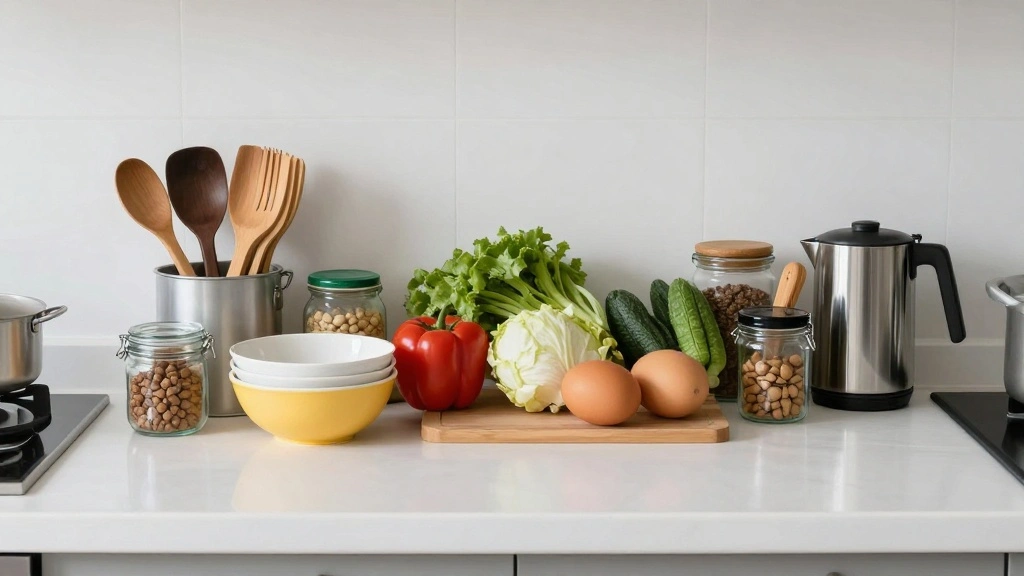
Gather all ingredients and equipment.
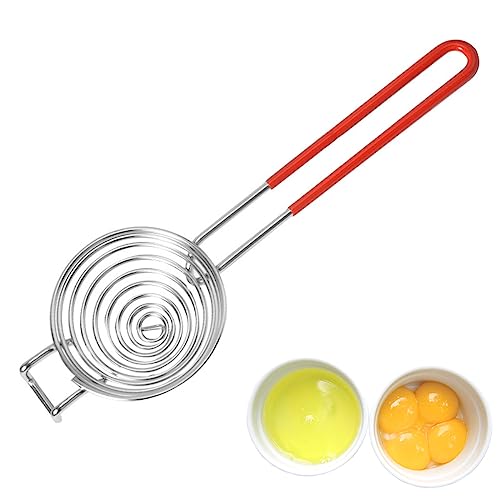
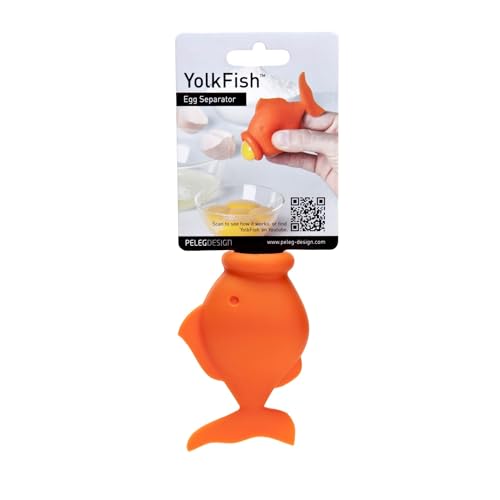
Separate egg yolks from whites, reserving yolks in a bowl.
Measure out lemon juice, butter, salt, and cayenne pepper.
Ensure all items are within reach before starting.


Step 2: Clarify Butter
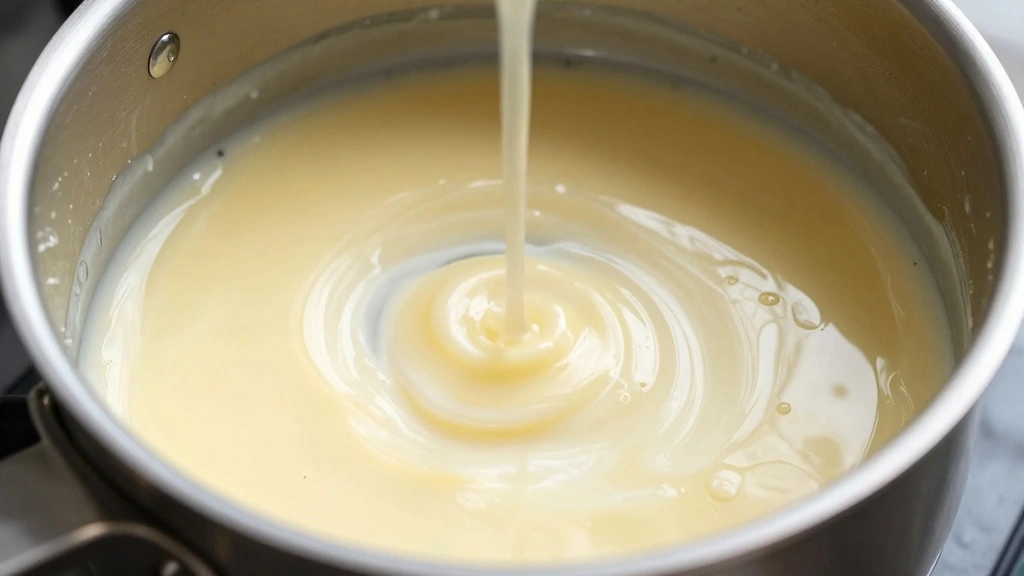
Melt butter in a small saucepan over low heat.
Allow it to separate, then skim off the milk solids.
Pour the clear yellow liquid into a separate container.
This clarified butter will be used for the sauce.


Step 3: Set Up Double Boiler
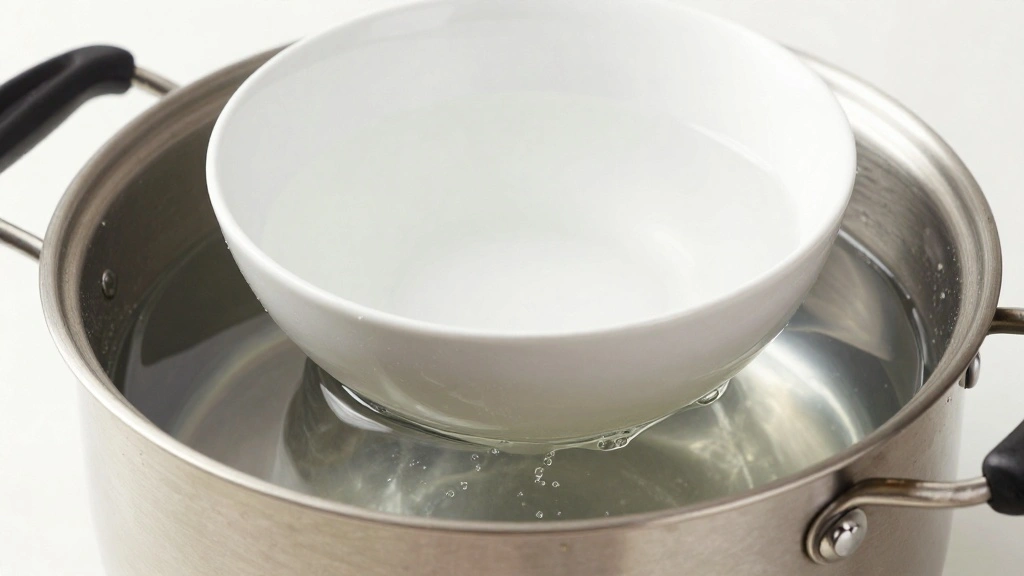
Fill a pot with a few inches of water and bring to a simmer.
Place a heatproof bowl on top, ensuring it doesn't touch the water.
This setup will gently heat the egg yolks.
Adjust heat to maintain a gentle simmer.


Step 4: Whisk Egg Yolks
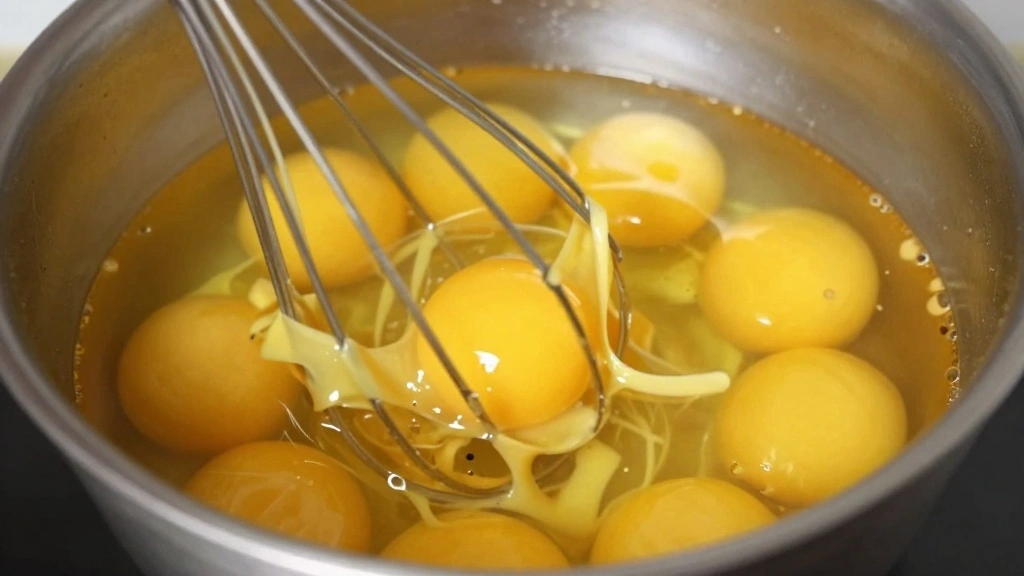
Place egg yolks in the heatproof bowl over the simmering water.
Whisk vigorously until yolks thicken and lighten in color.
The mixture should form ribbons when the whisk is lifted.
This indicates proper emulsification.



Step 5: Add Lemon Juice
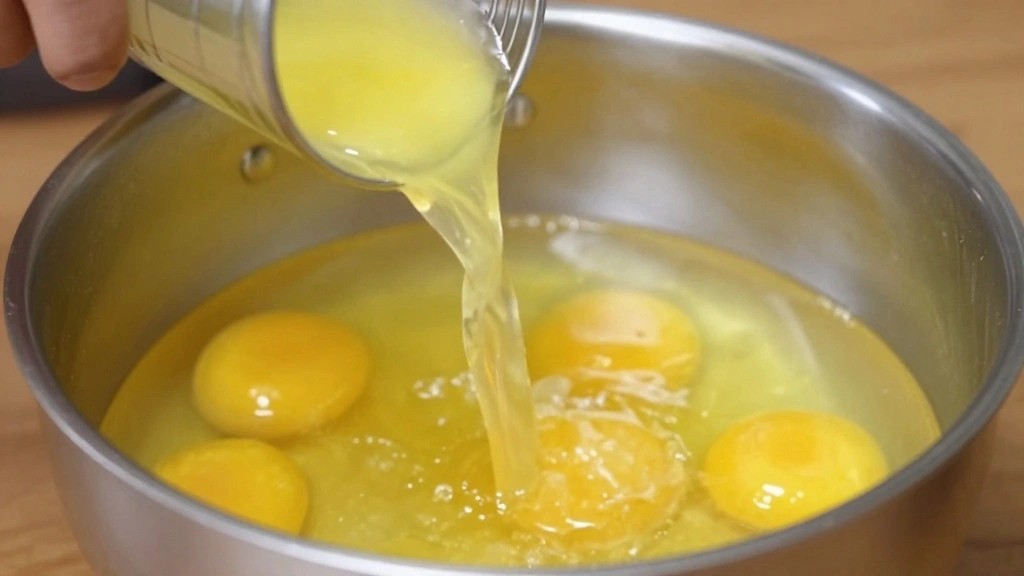
Slowly pour lemon juice into the yolk mixture.
Continue whisking to incorporate fully.
The acidity will help stabilize the sauce.
Ensure mixture remains smooth and creamy.


Step 6: Incorporate Butter

Gradually add clarified butter to the yolk mixture.
Whisk constantly to maintain emulsification.
Add butter in a slow, steady stream.
The sauce should thicken and become glossy.


Step 7: Season the Sauce
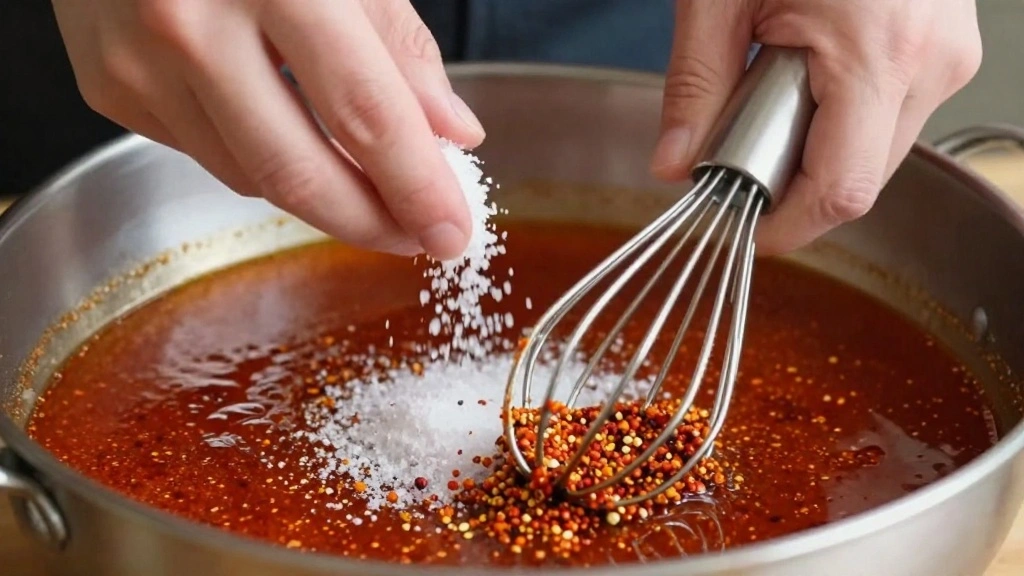
Add a pinch of salt and optional cayenne pepper.
Whisk to combine and taste for seasoning.
Adjust salt and pepper as needed.
The sauce should have a balanced, harmonious flavor.




Step 8: Maintain Temperature
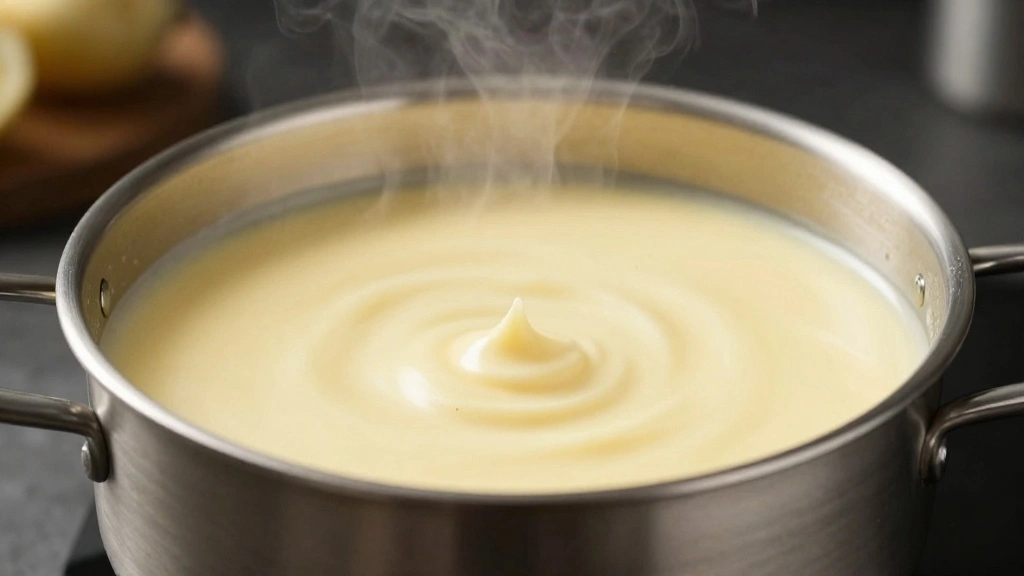
Keep sauce warm over the double boiler until serving.
Stir occasionally to prevent skin from forming.
Ensure water in the pot remains at a gentle simmer.
Avoid overheating to prevent curdling.


Step 9: Serve Immediately
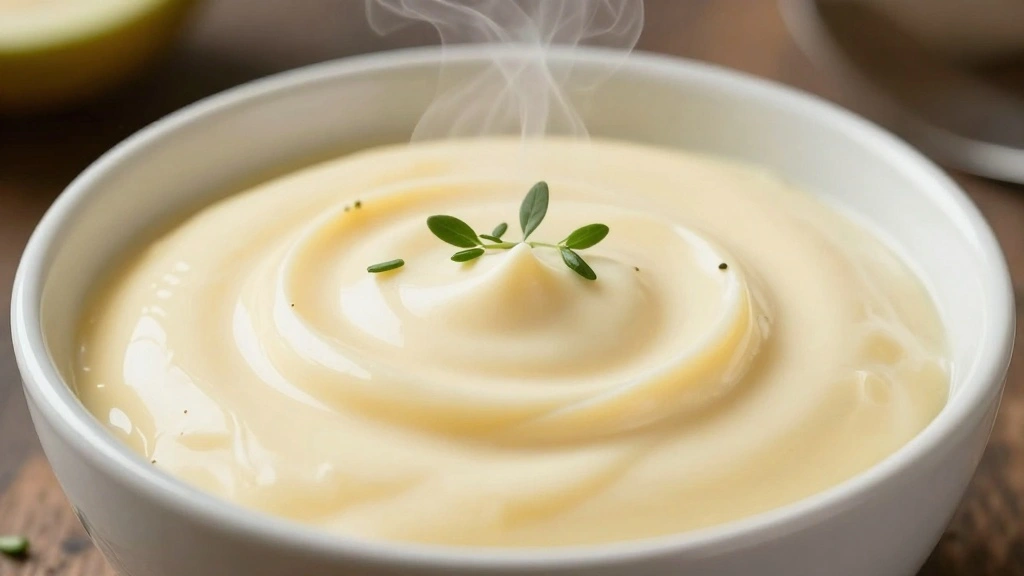
Transfer sauce to a serving dish or pour directly over prepared dishes.
Use immediately for best texture and flavor.
Garnish with fresh herbs if desired.
Enjoy the rich, velvety sauce.


Critical Timing and Temperature Guide
Egg Mixture Heating: Maintain a temperature between 60-65°C (140-149°F) to prevent scrambling. The yolks should thicken but not cook.
Butter Incorporation: Add clarified butter slowly to maintain a stable emulsion. Adding too quickly can cause the sauce to break.
Serving Temperature: Serve the sauce warm but not hot, around 50°C (122°F). Overheating can cause separation.




Pro Tips for Hollandaise Sauce Recipe
• Ingredient Selection: Use fresh, high-quality eggs and butter for the best flavor and texture. The freshness of the eggs is crucial for successful emulsification.
• Preparation Secret: Whisking the egg yolks until they form ribbons is key to achieving the right consistency and ensures a stable base for the sauce.
• Temperature Management: Keep a close eye on the temperature throughout the process. A sudden increase can cause the sauce to break or curdle.
• Texture Enhancement: Straining the sauce through a fine-mesh sieve removes any unintended lumps, ensuring a smooth final product.
• Flavor Layering: Adding a splash of white wine vinegar with the lemon juice introduces depth and complexity to the sauce.
• Make-Ahead Strategies: Prepare the clarified butter in advance and store it in the refrigerator. Gently reheat before use to save time.
• Restaurant-Quality Finishing Touches: Add a sprinkle of fresh herbs like chives or tarragon before serving for an elegant touch.
• Equipment Optimization: Use a handheld immersion blender for a quick and efficient emulsification if you have one.
Troubleshooting Common Issues
• Sauce Too Thin: This can occur if the butter is added too quickly. To fix, continue whisking over gentle heat to thicken, or add a whisked egg yolk.
• Sauce Broken or Separated: Often due to temperature issues or quick butter addition. To fix, whisk in a teaspoon of hot water or start fresh with a new yolk and slowly incorporate the broken sauce.
• Scrambled Eggs: This happens if the heat is too high. Recognize it by the presence of solid egg pieces. Strain the sauce and start over at a lower temperature.
• Lack of Flavor: Caused by insufficient seasoning. Add more lemon juice, salt, or cayenne pepper to taste.
• Grainy Texture: Overcooked eggs or insufficient whisking can cause this. Strain the sauce to remove lumps and whisk vigorously.



Variations and Regional Differences
• Bearnaise Sauce: A variation using tarragon and shallot-infused vinegar instead of lemon juice, with a distinct herbal flavor.
• Mousseline Sauce: Incorporates whipped cream into the Hollandaise for a lighter, fluffier texture, often served with asparagus.
• Maltaise Sauce: Adds blood orange juice for a citrus twist, traditionally served with seafood.
• Sauce Choron: A tomato-infused version, ideal for pairing with grilled meats.



Food Science Behind the Recipe
• Emulsification: The science of mixing two immiscible liquids (butter and yolks) into a stable mixture is key. Understanding this helps prevent separation and ensures a silky sauce.
• Heat Coagulation: Gentle heat causes egg proteins to thicken the sauce without scrambling. Controlling heat is crucial for maintaining texture.
• Acid Stabilization: Lemon juice helps stabilize and thicken the sauce by lowering pH, aiding in protein coagulation.


Frequently Asked Questions
What's the most common mistake people make when preparing Hollandaise Sauce? The most frequent error is overheating the sauce, which can cause the eggs to scramble. Keeping a close eye on temperature and using a double boiler helps prevent this.
Can I make Hollandaise Sauce in advance? It's best served fresh, but you can keep it warm over a double boiler for up to an hour or store it in a thermos.
Why is my Hollandaise Sauce not thickening? This could be due to insufficient whisking or not reaching the correct temperature. Ensure constant whisking and monitor the heat closely.
Can I use salted butter for this recipe? While unsalted butter is recommended for better control over seasoning, salted butter can be used if you adjust the added salt accordingly.
What if I don't have a double boiler? Use a heatproof bowl over a pot of simmering water as an alternative to a double boiler.
Why did my sauce turn grainy? Graininess occurs when eggs overcook. Strain the sauce to remove lumps and start over at a lower temperature.
How do I fix a broken Hollandaise Sauce? Whisk in a teaspoon of hot water or start a new yolk base and slowly incorporate the broken sauce to re-emulsify.
Serving and Presentation Guide
• Traditional Presentation: Serve in a warm sauce boat or drizzle over eggs Benedict for a classic brunch dish.
• Modern Plating: Use a squeeze bottle to artistically drizzle over vegetables or proteins for an elegant touch.
• Family Style: Serve in a communal dish with a ladle for easy sharing at the table.
• Garnished Presentation: Add a sprinkle of fresh herbs or edible flowers for a vibrant, restaurant-quality finish.






Conclusion
Hollandaise Sauce is a timeless classic that elevates any meal with its rich and creamy texture.
With these step-by-step instructions and expert tips, you can master this elegant sauce in your own kitchen.
Don't hesitate to experiment with variations and make it your own.
Try this recipe today and impress your family and friends with your culinary prowess.