
Slow Cooker Recipes: Easy Meals, Less Effort!
Family-friendly dishes for busy people — quick prep, delicious results.
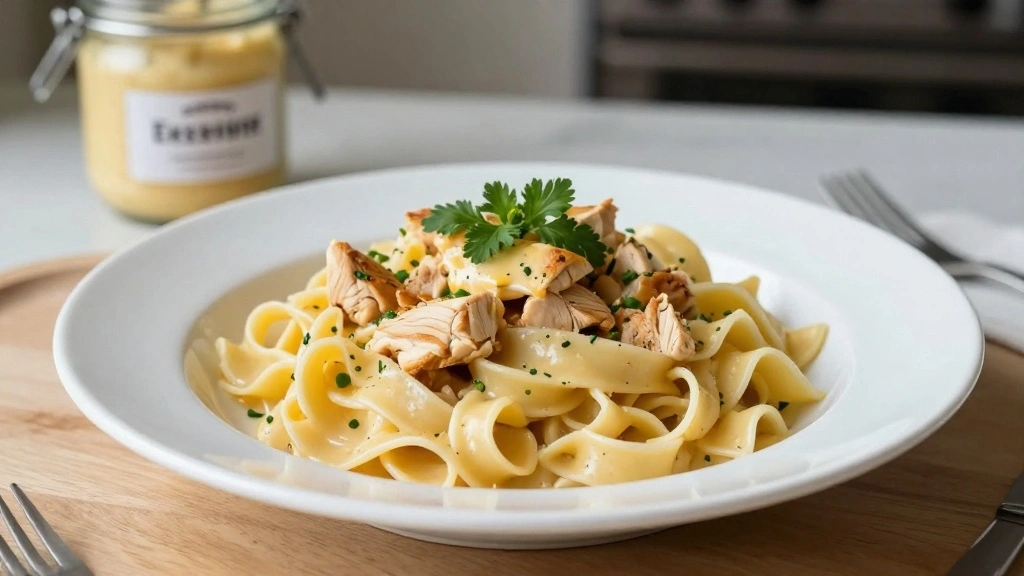
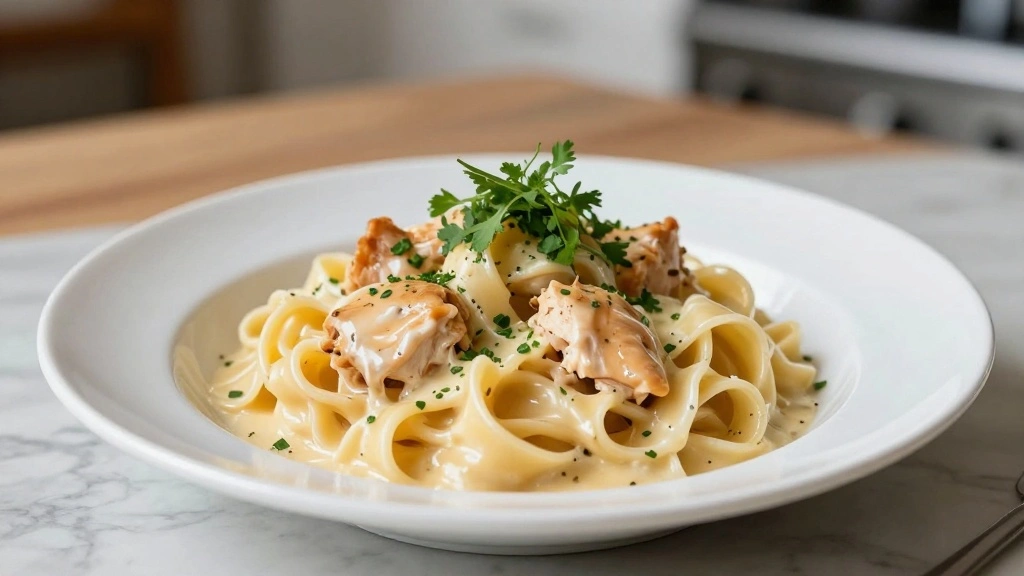
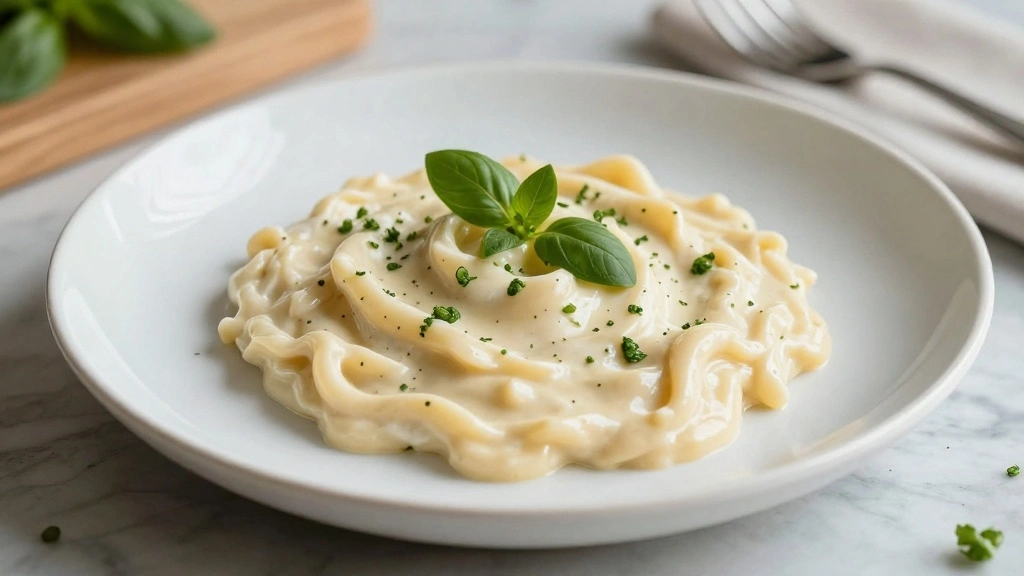
Grab yours for $4Chicken Alfredo Sauce is a comforting embrace of creamy richness and savory goodness.
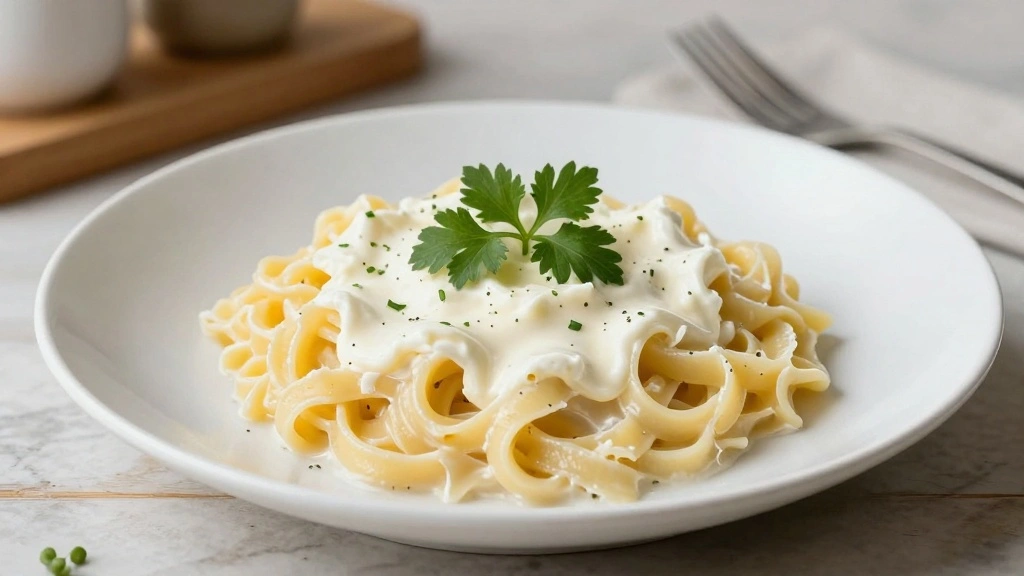
Its appeal lies in the silky sauce that envelopes perfectly cooked chicken and pasta, creating a symphony of flavors.
I first discovered the magic of this dish in a little Italian bistro, where the chef’s passion for pasta was evident in every bite.
Whether you’re hosting a dinner party or simply craving a taste of Italy, this Chicken Alfredo Sauce is sure to impress with its restaurant-style flair.
With just a few simple ingredients and techniques, you can recreate this beloved dish in your own kitchen.
The History and Cultural Significance
• Chicken Alfredo Sauce traces its origins to Rome in the early 20th century, where it was originally created by chef Alfredo di Lelio.
• The dish evolved over decades as cream and chicken were added to the original butter and Parmesan recipe, eventually becoming the beloved version we know today.
• In Italian culture, this dish traditionally appears at family gatherings, symbolizing warmth and togetherness.
• While many variations exist across different regions, the authentic version maintains a rich, creamy consistency that sets it apart from imitations.


Recipe Overview
Nutritional Information (per serving)
Essential Equipment Guide
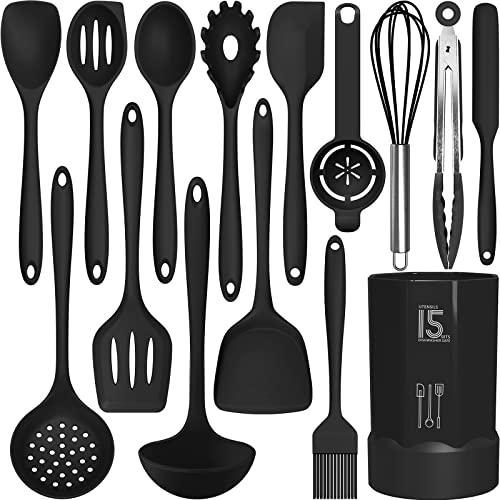
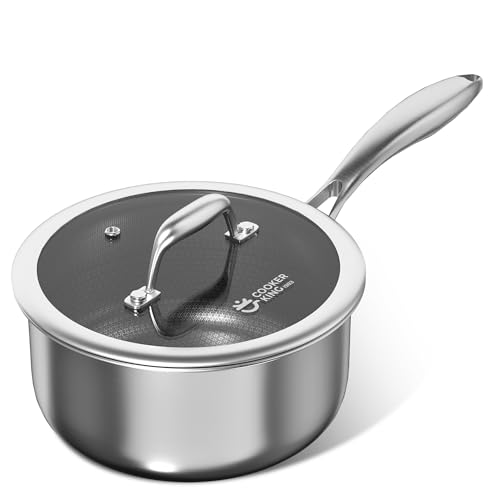
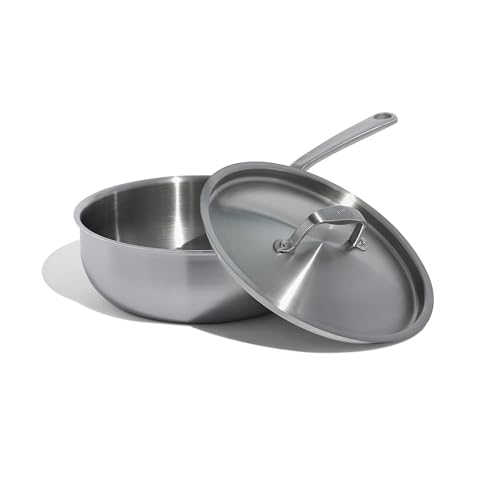
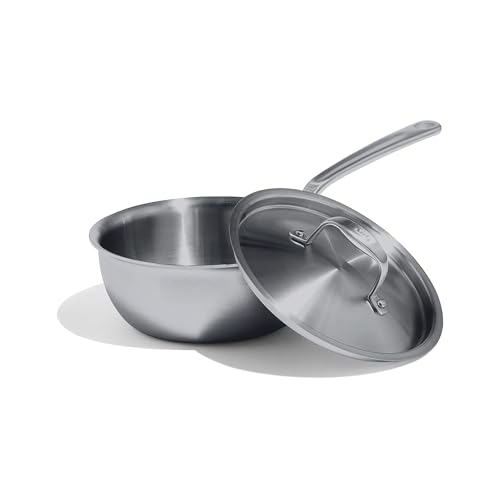
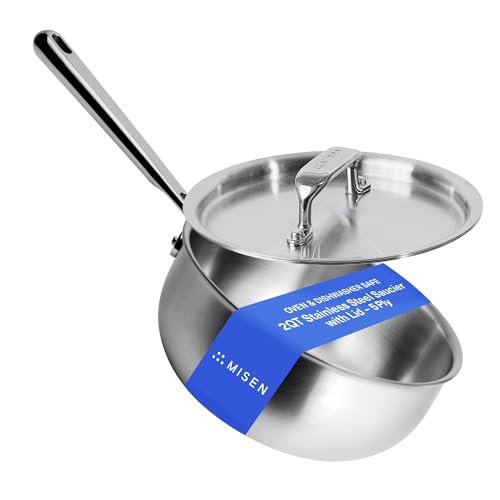
Large Skillet: A large skillet is essential for evenly cooking the chicken and combining the sauce ingredients efficiently. Non-stick or stainless steel options work best, but ensure it has a heavy bottom to prevent burning.
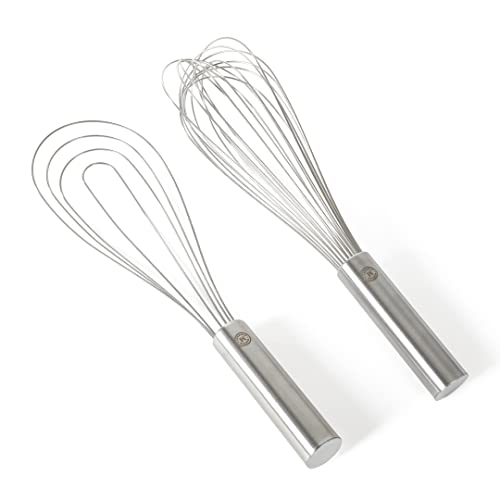
Whisk: A good whisk is crucial for blending the sauce to a creamy consistency without lumps. A balloon whisk is ideal, but a flat whisk can also work well for scraping the bottom of the pan.
Measuring Cups and Spoons: Accurate measuring tools ensure the correct balance of ingredients, which is key to achieving the perfect flavor and consistency. Look for sets with easy-to-read markings and sturdy construction.



Ingredients
For the Chicken
|
| Amount | Ingredient | Notes |
|---|---|---|
| 2 tablespoons | olive oil | for cooking chicken |
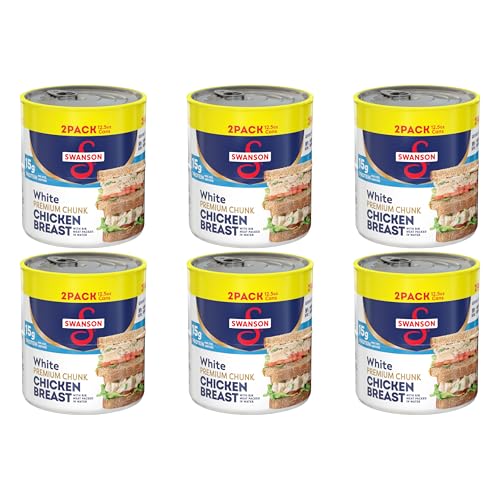
| 1 pound | chicken breast | sliced thinly for even cooking |
| 1 teaspoon | salt | for seasoning chicken |
| 1 teaspoon | black pepper | freshly ground, for flavor |
For the Sauce
| Amount | Ingredient | Notes |
|---|---|---|
| 2 tablespoons | unsalted butter | adds richness |
| 3 cloves | garlic | minced, for aromatic depth |
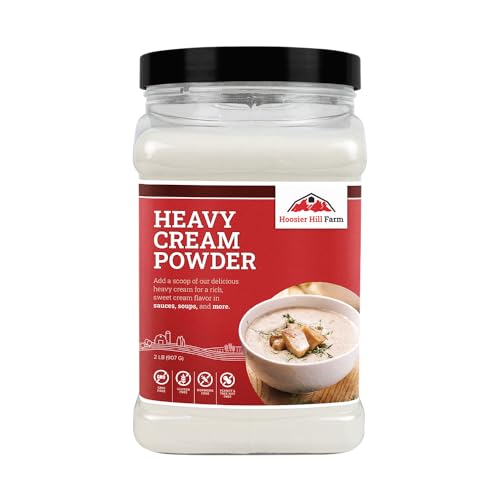
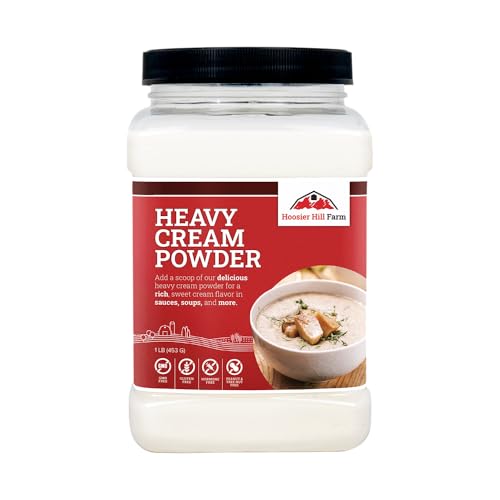
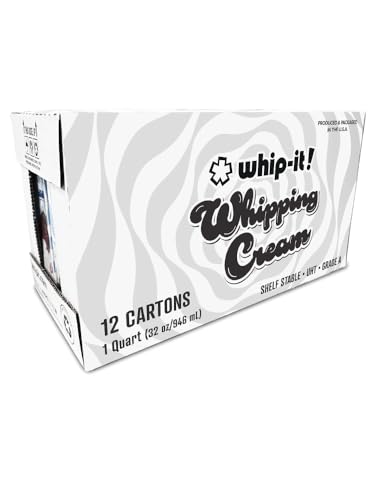
| 1 cup | heavy cream | for creamy texture |
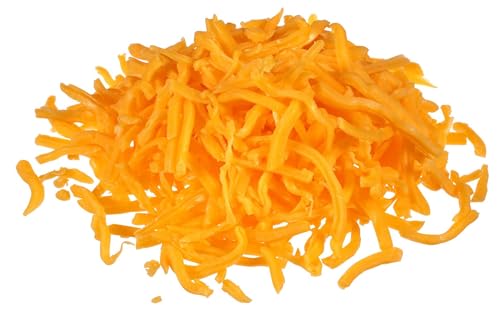
| 1 cup | Parmesan cheese | freshly grated, for a sharp, nutty flavor |
For the Pasta
| Amount | Ingredient | Notes |
|---|---|---|
| 8 ounces | fettuccine | cooked al dente |
Seasonings
| Amount | Ingredient | Notes |
|---|---|---|
| 1 pinch | nutmeg | adds warmth and depth |
| 1 tablespoon | fresh parsley | chopped, for garnish |




Preparation Methods
Sautéing: Sautéing the chicken involves cooking it quickly over high heat in a small amount of oil. This technique ensures the chicken is browned and flavorful on the outside while remaining juicy inside. Keep the skillet hot and avoid overcrowding to achieve the best results.
Deglazing: Deglazing the pan after sautéing involves adding a liquid like broth or wine to dissolve the browned bits left in the pan. This step is crucial for building the sauce's flavor. Use a wooden spoon to scrape the pan and incorporate these flavors into the sauce.
Emulsifying: Emulsifying the sauce means combining the butter, cream, and cheese until they form a smooth, unified mixture. This technique requires gentle heat and constant stirring to prevent separation and achieve a glossy finish.


Step 1: Prepare Ingredients
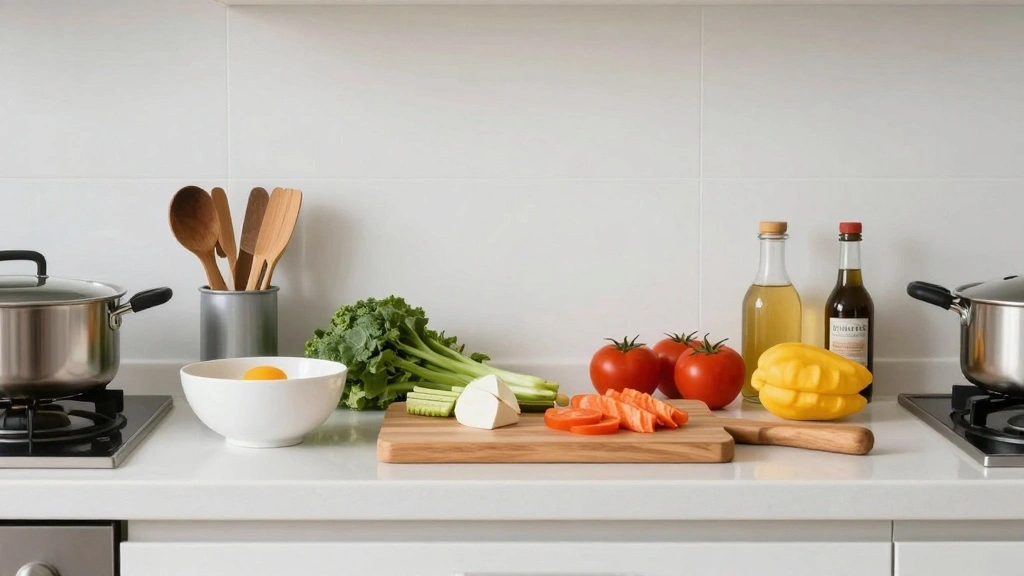
Gather all ingredients and equipment needed for the recipe.
Ensure the chicken is sliced thinly and the Parmesan is grated.
Measure out the cream, butter, and seasonings to have them ready.
Organize everything on your countertop for easy access.


Step 2: Cook the Chicken
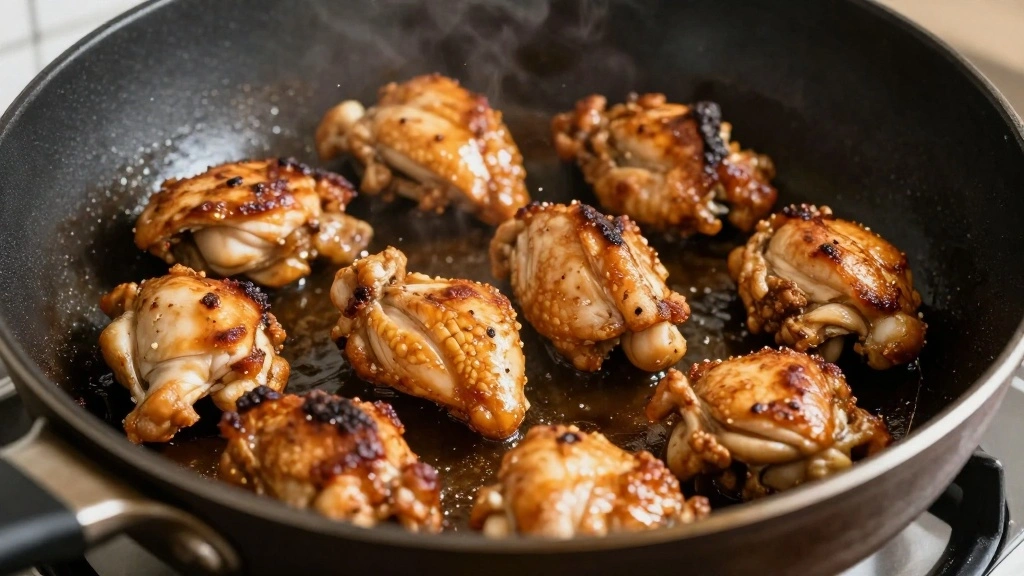
Heat olive oil in a large skillet over medium-high heat.
Add the sliced chicken, seasoning it with salt and pepper.
Sauté until the chicken is golden brown and cooked through.
Remove the chicken from the skillet and set aside.


Step 3: Make the Sauce Base
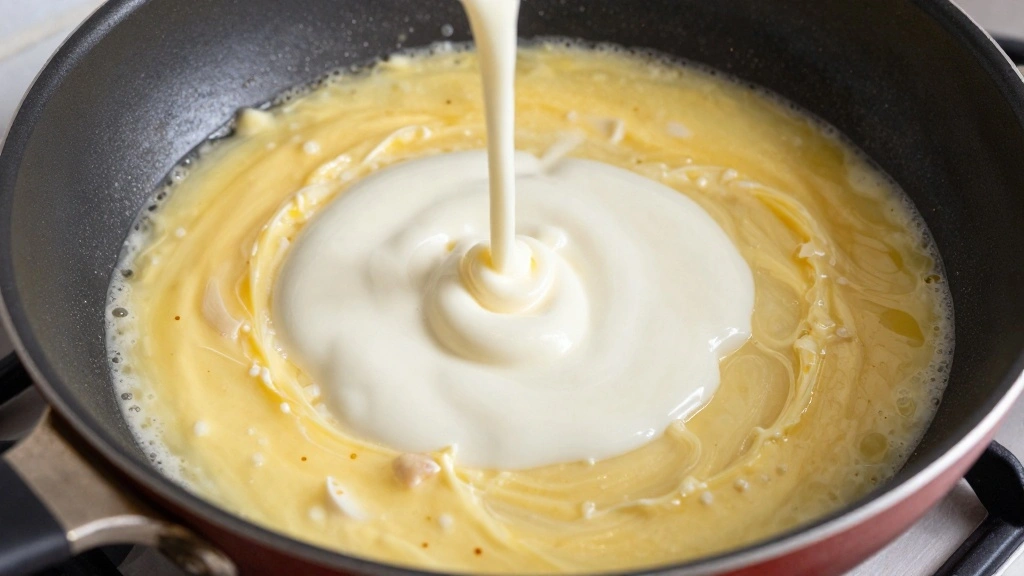
Reduce the heat to medium and add butter to the skillet.
Once melted, add minced garlic and sauté until fragrant.
Pour in the heavy cream, stirring to combine with the garlic and butter.
Let the mixture simmer gently without boiling.



Step 4: Incorporate the Cheese
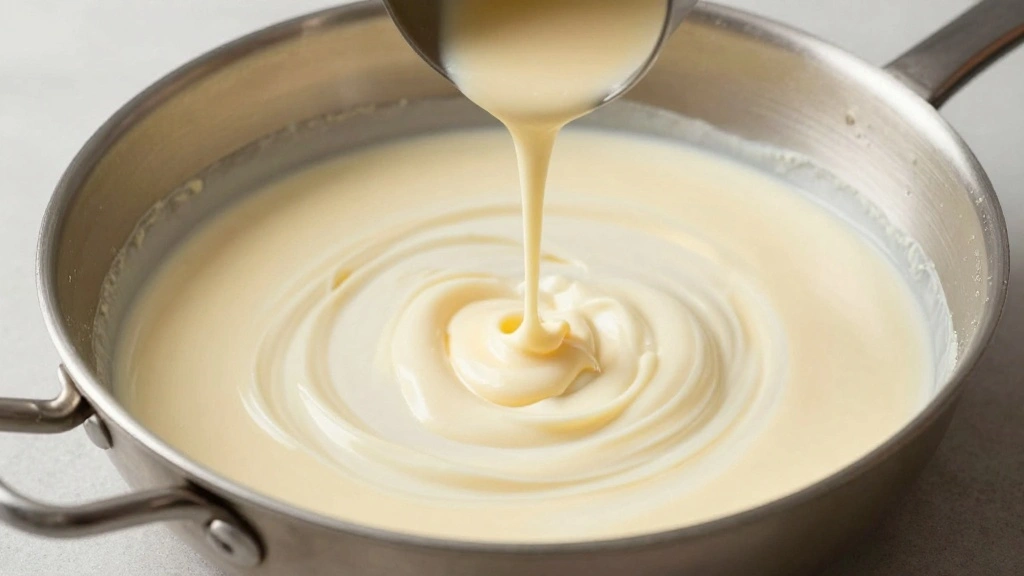
Gradually add the grated Parmesan cheese to the cream mixture.
Stir continuously to ensure the cheese melts smoothly into the sauce.
Watch for a thickening of the sauce as the cheese emulsifies.
Avoid high heat to prevent the sauce from separating.




Step 5: Season the Sauce
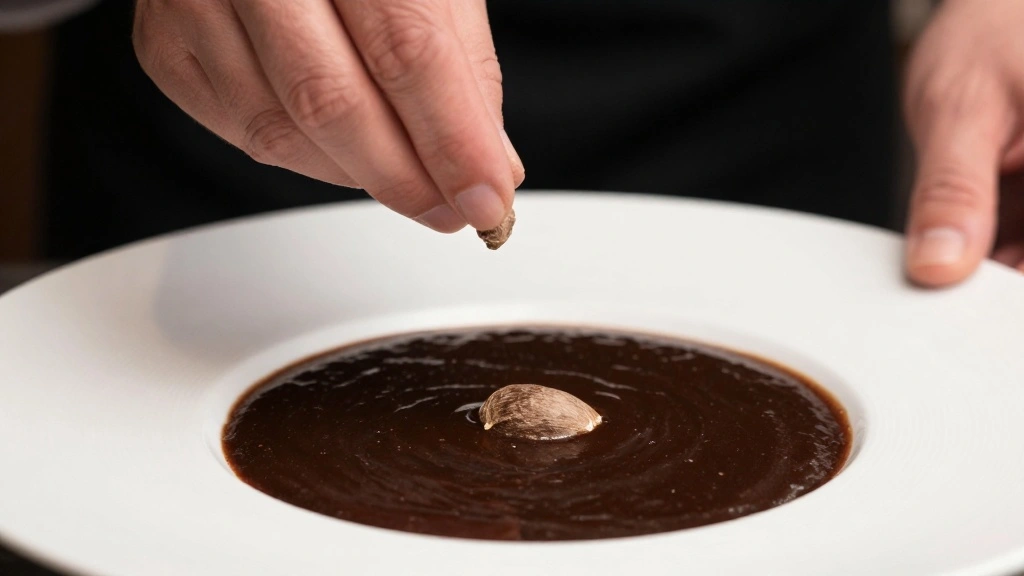
Add a pinch of nutmeg to the sauce for extra depth.
Taste the sauce and adjust seasoning with additional salt and pepper if needed.
Stir well to ensure all seasonings are evenly distributed.
Keep the sauce warm over low heat while preparing the pasta.


Step 6: Cook the Pasta

Bring a pot of salted water to a boil.
Add the fettuccine and cook until al dente according to package instructions.
Drain the pasta, reserving a cup of pasta water.
Do not rinse the pasta to retain its starchiness.



Step 7: Combine Pasta and Sauce
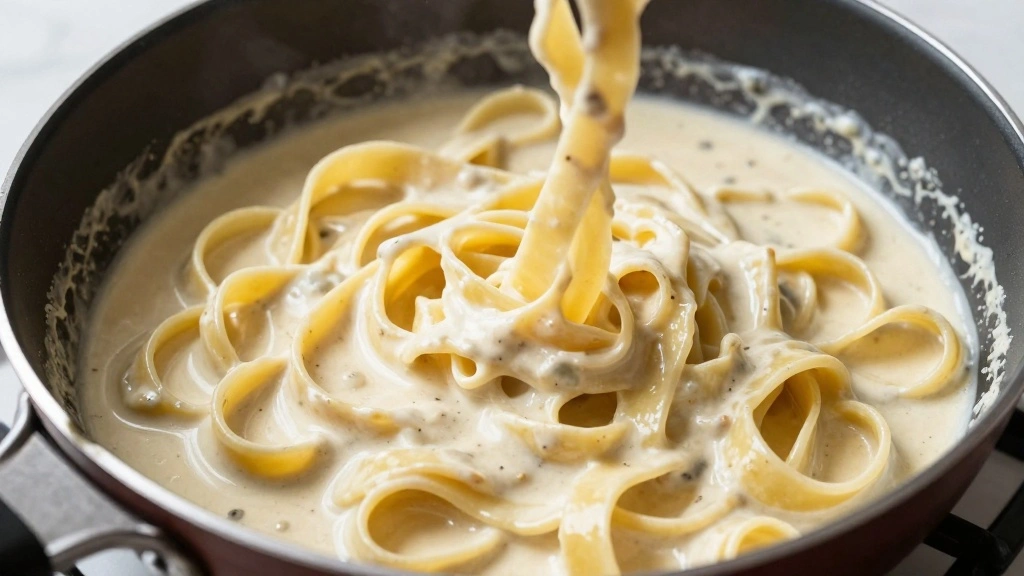
Add the cooked pasta to the skillet with the Alfredo sauce.
Toss the pasta to coat it evenly with the sauce.
If the sauce is too thick, add reserved pasta water a little at a time.
Ensure the pasta is well-coated and heated through.




Step 8: Finish and Serve
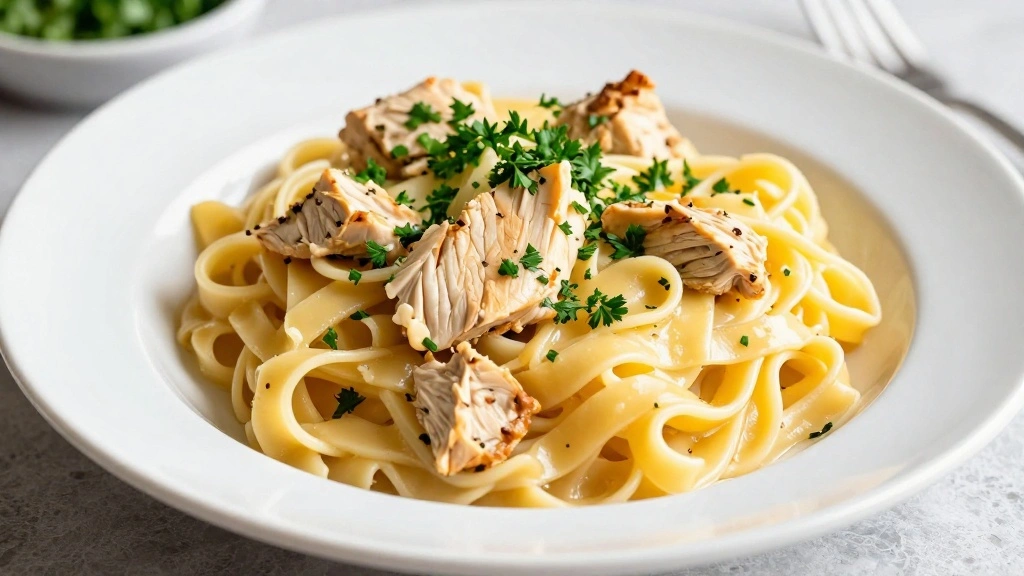
Return the cooked chicken to the skillet with the pasta and sauce.
Gently toss everything together to combine flavors.
Sprinkle with fresh parsley before serving for a pop of color.
Serve immediately with extra Parmesan cheese on the side.


Critical Timing and Temperature Guide
Sautéing the Chicken: Cook chicken for 4-5 minutes per side over medium-high heat. Ensure no pink remains in the center. Avoid overcrowding the pan to maintain a consistent temperature.
Simmering the Sauce: Keep the sauce at a gentle simmer, not exceeding medium heat, to prevent curdling. The sauce should thicken slightly and coat the back of a spoon.
Cooking the Pasta: Boil pasta for 8-10 minutes or until al dente. Test by tasting a piece; it should be firm to the bite but not hard. Overcooking leads to mushy pasta, which won't hold the sauce well.


Pro Tips for Chicken Alfredo Sauce
• Ingredient Selection: Choose high-quality Parmesan cheese for the best flavor. Avoid pre-grated cheese, which often contains anti-caking agents that affect melting.
• Preparation Secret: Toast the garlic slightly before adding cream to release its natural sweetness without burning.
• Temperature Management: Use moderate heat when combining cheese and cream to prevent the sauce from separating.
• Texture Enhancement: Add a splash of pasta water to the sauce for a silkier texture that clings to the pasta.
• Flavor Layering: Layer flavors by seasoning chicken with herbs like thyme or oregano before sautéing.
• Make-Ahead Strategies: The sauce can be prepared a day in advance and gently reheated before serving. Store in an airtight container in the refrigerator.
• Restaurant-Quality Finishing Touches: Finish with a drizzle of truffle oil for a luxurious touch.
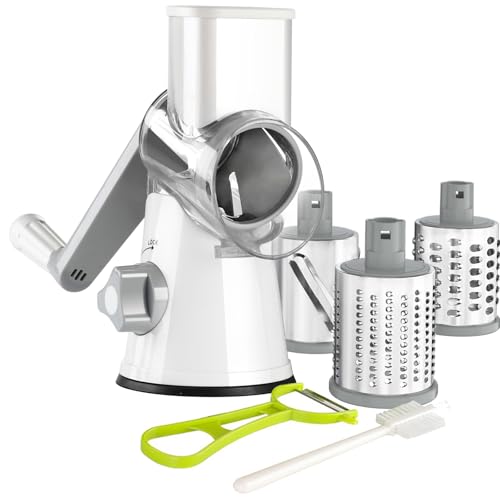
• Equipment Optimization: Use a microplane grater for the Parmesan to ensure it melts smoothly into the sauce.
Troubleshooting Common Issues
• Sauce Too Thin: If the sauce is too thin, simmer it a bit longer to reduce and thicken. Alternatively, add more Parmesan cheese gradually while stirring.
• Chicken Overcooked: Overcooked chicken can be tough. Ensure thin slices and avoid overcooking by checking doneness early.
• Sauce Separated: If the sauce separates, try whisking in a splash of cold cream off the heat to bring it back together.
• Pasta Clumped Together: Toss cooked pasta with a little olive oil if not using immediately to prevent sticking.
• Flavors Too Mild: Enhance flavors by adding a splash of lemon juice or a pinch of red pepper flakes for extra depth.
• Sauce Too Salty: If the sauce is too salty, balance it with a splash of cream or unsalted broth.



Variations and Regional Differences
• American Style: Often includes cream and garlic, differing from the authentic Italian version, which is simpler with just butter and cheese.
• Vegetarian Variation: Replace chicken with sautéed mushrooms and spinach for a hearty vegetarian option.
• Spicy Variation: Add red pepper flakes or diced jalapeños for a spicy kick that complements the creamy sauce.
• Seafood Variation: Substitute chicken with shrimp or scallops for a seafood twist on the classic dish.


Food Science Behind the Recipe
• Emulsification: The process of combining fat (butter and cream) with water-based ingredients (cream and cheese) relies on emulsification to create a smooth, stable sauce.
• Maillard Reaction: Browning the chicken utilizes the Maillard reaction, which develops complex flavors and aromas that enrich the dish.
• Starch Gelatinization: Cooking the pasta to al dente allows the starch to gelatinize, helping the sauce adhere to the noodles effectively.



Frequently Asked Questions
What's the most common mistake people make when preparing Chicken Alfredo Sauce? Overheating the sauce, which can cause it to separate. Keep the heat moderate and stir continuously.
Can I use milk instead of cream in Alfredo sauce? While possible, milk will result in a thinner sauce. Consider adding a thickening agent like cornstarch if using milk.
What's the best pasta for Alfredo sauce? Fettuccine is traditional, but other pasta shapes that hold sauce well, like penne or rigatoni, can also work.
How can I make the sauce thicker? Simmer longer to reduce or add more Parmesan cheese while whisking to thicken.
Can I freeze Chicken Alfredo Sauce? Cream sauces don't freeze well as they can separate upon thawing. It's best enjoyed fresh or refrigerated for a short period.
Why is my sauce gritty? Pre-grated cheese often contains anti-caking agents that can cause grittiness. Use freshly grated cheese for a smoother sauce.
How do I prevent the pasta from absorbing all the sauce? Cook the pasta just al dente and serve immediately. A splash of pasta water can help maintain sauce consistency.
Serving and Presentation Guide
• Traditional Presentation: Serve on a large platter with the sauce draped over the pasta and chicken, garnished with parsley and extra Parmesan.
• Individual Portions: Present on individual plates with a neat twirl of pasta topped with chicken slices and sauce, garnished with fresh herbs.
• Family-Style Serving: Offer in a large serving bowl for guests to serve themselves, encouraging a communal dining experience.
• Elegant Touch: Use wide, shallow bowls to highlight the creamy sauce and pasta, finishing with a drizzle of olive oil and cracked pepper.


Conclusion
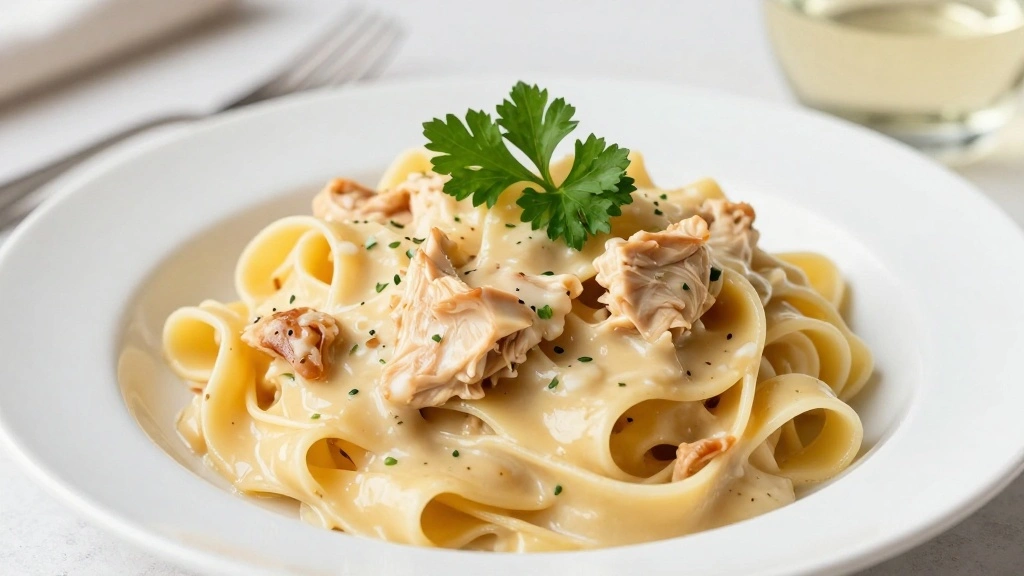
Now that you have the secrets to creating a creamy restaurant-style Chicken Alfredo Sauce, it's time to bring this classic Italian dish to your table.
With its rich flavors and comforting texture, this recipe is sure to become a favorite in your culinary repertoire.
Whether you're cooking for family or friends, this dish promises to impress with every delicious bite.